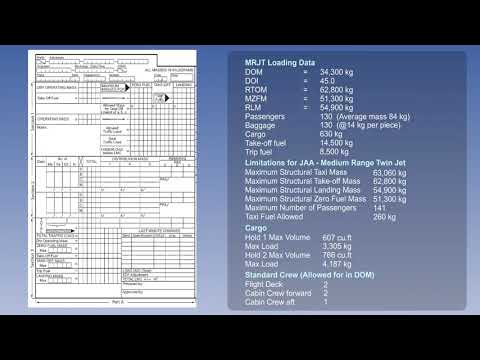
How To Calculate Aircraft Mass And Balance Introduction | Lecture 03
Understanding Mass Definitions in Aviation
Basic Empty Mass
- Basic empty mass refers to the weight of an airplane with all essential equipment and a specified amount of unusable fuel, including lubricating oil and emergency equipment.
Dry Operating Mass
- Dry operating mass is the total weight of the airplane ready for operation, excluding usable fuel and traffic load; it includes crew, baggage, catering, and other necessary items.
Operating Mass
- Operating mass combines dry operating mass with fuel weight but excludes passenger baggage and freight; it represents the aircraft's readiness for flight without additional loads.
Traffic Load
- Traffic load consists of the total weight from passengers, baggage, freight, and any non-revenue loads that do not generate income.
Useful Load
- Useful load is defined as the combined weight of passengers, baggage, cargo (including non-revenue), plus usable fuel; it's also calculated as the difference between dry operating mass and takeoff mass.
Key Mass Limits in Aviation
Zero Fuel Mass
- Zero fuel mass is calculated by adding dry operating mass to traffic load while excluding any fuel weight; this helps determine maximum allowable weights before fueling.
Maximum Zero Fuel Mass
- The maximum zero fuel mass is a limit set to prevent excessive stress on wing structures when tanks are empty; this value is found in the aircraft's flight manual.
Taxi Mass
- Taxi mass (or ramp mass) refers to the total weight of an aircraft before departure while taxiing on ground; it includes necessary taxiing fuel within its limits published in manuals.
Takeoff Considerations
Takeoff Mass
- Takeoff mass encompasses all weights at the start of takeoff run including passengers and cargo; it must adhere to maximum structural takeoff limits outlined in manuals.
Performance Limited Takeoff Mass
- This term describes a calculated takeoff weight based on performance limitations specific to departure airfields; it ensures safety during initial flight phases.
Landing Weight Definitions
Maximum Structural Landing Mass
- This defines the highest permissible landing weight under normal conditions as stated in aircraft manuals; crucial for safe landings without structural damage.
Performance Limited Landing Mass
- This landing weight considers destination airfield limitations affecting landing capabilities based on performance metrics established during training lessons.
Regulated Landing Mass
- The regulated landing mass is determined by taking the lower value between performance limited landing mass and maximum structural landing mass ensuring compliance with safety standards.
Summary of Weight Calculations
Ramp or Block Mass Calculation Steps
- To calculate ramp or block mass: start with basic empty mass then add crew/equipment for dry operating mass followed by adding takeoff fuel for operating masses leading up to final ramp calculations.
Turn any video into a summary like this
YouTube links, meetings, lectures. With transcripts, search, and chat.