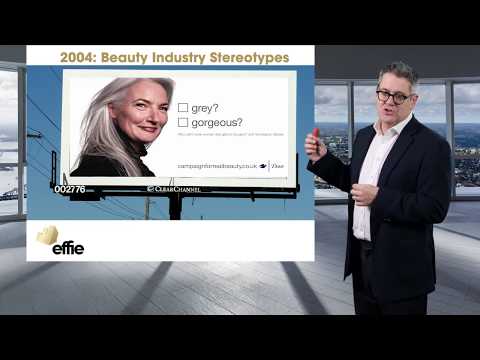
Watch: Ritson on how Dare used channel diversity to become the leading iced coffee brand
Dare Iced Coffee's Strategic Campaign Success
Overview of Dare's Objectives
- In 2010, Dare aimed to increase sales volumes by 150%, become the number one iced coffee brand in Australia, and capture market share from competitors like Coke and Red Bull.
- The brand targeted both blue and white-collar professionals seeking a mental boost at the start of their day, establishing a clear positioning strategy.
Brand Strategy Development
- Dare set two primary objectives: raise brand awareness from 70% to 80% over five years and increase consumer consideration from 15% to 65%.
- To achieve these goals, Dare opted for a multi-channel approach rather than limiting itself to traditional or digital media.
Multi-Channel Campaign Execution
- The campaign included various channels such as:
- TV Advertisements: Short ads featuring relatable scenarios (e.g., mixing up virtual with real life).
- Social Media Engagement: Leveraged Facebook by sponsoring posts related to public mistakes made by celebrities.
Innovative Marketing Tactics
- Outdoor advertising was creatively used with altered phrases that implied confusion, enhancing brand messaging.
- Radio sponsorship involved popular hosts Hamish and Andy discussing big questions while promoting Dare as a solution after taking a sip.
Unique Branding Strategies
- Google AdWords targeted common misspellings related to the product category, linking them back to Dare’s message about getting your head straight.
- The brand even misspelled its name on packaging as part of an unconventional branding strategy that reinforced their messaging.
Campaign Effectiveness and Results
- The campaign won the Grand Effie award in 2017 for effectiveness, achieving significant increases in both awareness and consideration metrics.
- Ultimately, Dare became the leading iced coffee brand in Australia while doubling its market share amidst industry stagnation.
Key Lessons Learned
- A clear strategic direction is crucial; effective campaigns require clarity in objectives and target audience.
Diversity in Media Channels: A Strategic Approach
The Importance of Channel Diversity
- Emphasizes that utilizing a diverse range of media channels enhances overall effectiveness, suggesting that having multiple options is preferable to choosing just one.
- Highlights the concept of media neutrality or agnosticism, stressing the importance of not favoring specific tools or channels before reviewing the overarching strategy.
- Advocates for a combined approach using various channels—TV, Facebook, outdoor advertising, and Google—to maximize reach and impact on consumers.
- Warns against falling into the trap of viewing media choices as binary (digital vs. traditional), asserting that both should be integrated for optimal results.
- Concludes with a call for marketers to adopt a clear positioning strategy across all channels to effectively communicate value and maintain consistency.
Key Takeaways
- The consumer's perspective is indifferent to whether channels are digital or traditional; what matters is effective communication through multiple avenues.
Turn any video into a summary like this
YouTube links, meetings, lectures. With transcripts, search, and chat.