Mark Ritson on the effectiveness of Febreze's award-winning ad
Febreze's Marketing Challenges and Strategies
Overview of Febreze's Market Position
- In 2011, Febreze was recognized in PNG's Hall of Fame as the 24th brand to achieve over a billion dollars in global sales.
- Competitors Glade and Air Wick began replicating Febreze’s advertising strategies, leading to consumer confusion regarding brand identity.
- Research indicated that consumers were more likely to associate ads with competitors rather than Febreze, highlighting a loss of differentiation.
Decline in Brand Attributes
- The key attribute of odor elimination, once owned by Febreze, was now perceived equally among competitors like Air Wick and Glade.
- Sales for Febreze had dropped nearly ten points over three years, necessitating urgent strategic action.
Strategic Diagnosis and Research Methods
- PNG utilized its expertise in brand management to conduct thorough market research instead of rushing into tactical investments.
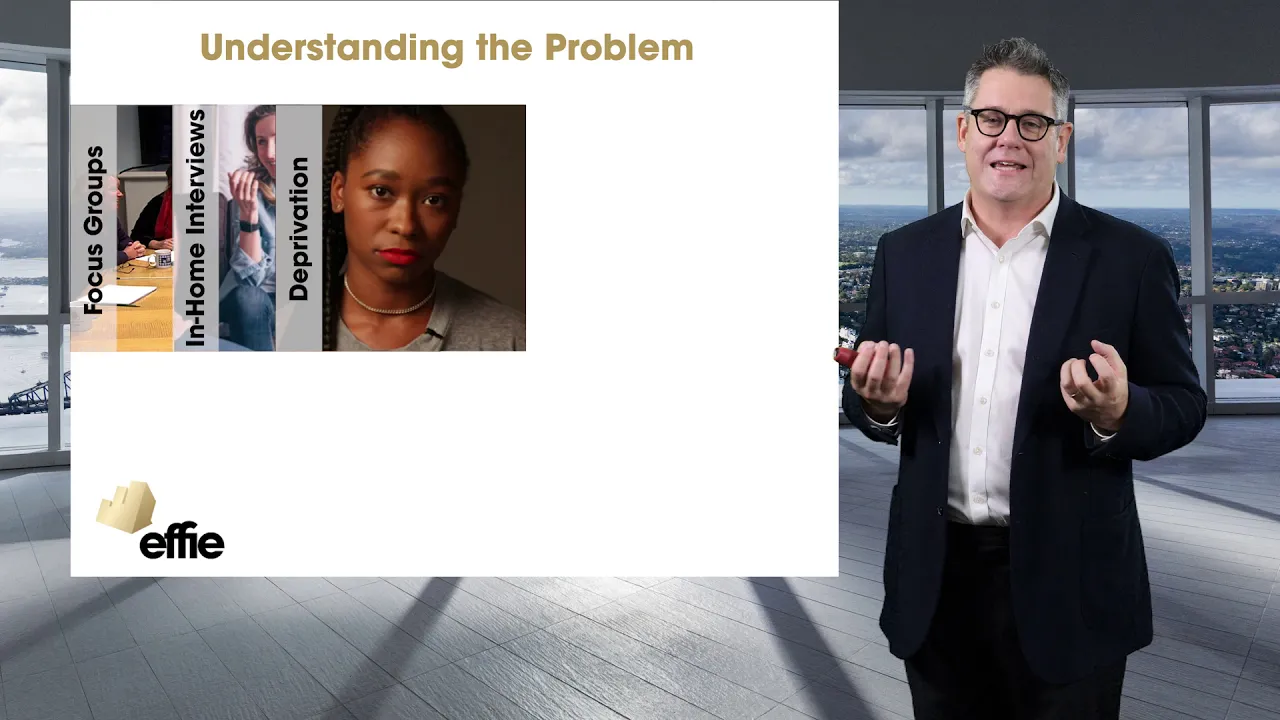
- Focus groups revealed that creating a welcoming home remained crucial for target customers; negative reactions to bad smells were stronger than positive ones for good smells.
Insights from Ethnographic Research
- Home interviews emphasized that while a messy home could be perceived as clean, an unpleasant smell rendered it unclean. A notable quote: "You can close your eyes but you can't turn off your nose."
Understanding Customer Loyalty
- Deprivation research involved removing the product from loyal customers to understand what they missed most about it after using competitors' products.
- Qualitative meetings with loyalists across brands helped identify barriers preventing them from switching to Febreze.
Consumer Behavior Analysis
- Shopping behavior studies showed that consumers viewed all major brands as similar and felt these brands had broken promises regarding their claims.
Quantitative Brand Tracking
- Quantitative research confirmed that Febreze no longer held the attribute of odor elimination compared to its competitors.
Pre-testing New Strategies
- Pre-testing allowed the team at Febreze to validate their strategy and creative direction through consumer feedback before launching new campaigns.
Goals for Brand Recovery
- The aspiration was set for a 10% increase in sales within one year targeting mothers aged 25–65 who desired assurance of cleanliness in their homes.
Core Marketing Objectives
- Two main objectives emerged: reclaim ownership of odor elimination and achieve at least 71% brand attribution recognition for new advertising efforts.
Febreze's Innovative Marketing Strategy
Sensory Experience and Brand Engagement
- The initial sensory description of Febreze evokes floral, citrus, and fresh laundry scents, creating a vivid image that enhances brand perception.
- A Facebook campaign invited fans to nominate their smelliest experiences, showcasing genuine consumer engagement rather than using actors in the ads.
Strategic Sponsorships
- Febreze sponsored notably odorous events like Solstice Yoga in Times Square and the Gilroy Garlic Festival, reinforcing its brand message of odor elimination.
- The campaign effectively linked product promotion to points of purchase, enhancing brand visibility where consumers shop.
Campaign Success Metrics
- Post-campaign analysis revealed that 84% of viewers associated odor elimination specifically with Febreze, indicating successful differentiation from competitors.
- The campaign received multiple awards including a silver Effie in 2011 for its effectiveness in branding and market impact.
Key Marketing Insights
- Emphasizes the importance of understanding consumer problems before proposing solutions; akin to a doctor diagnosing before treatment.
Turn any video into a summary like this
YouTube links, meetings, lectures — with transcripts, search, and chat.