GRANDES CIVILIZAÇÕES: A Civilização Chinesa
New Section
In this section, the lecture introduces the topic of Chinese civilization, discussing its formation and key characteristics.
Formation of Chinese Civilization
- The Chinese civilization dates back to around 5000 BC, with settlement around the Yellow River due to its agricultural benefits.
- Agriculture played a crucial role in Chinese civilization, with crops like barley, rice, wheat, and pumpkin being cultivated. Additionally, animal husbandry and silk production were significant practices.
- Proximity to rivers like the Yellow River was vital for ancient civilizations like China. The diverse geography of China influenced regional development based on climate, terrain, and vegetation.
Development of Dynasties
- Different regions in China developed distinct cultures based on geographical factors. The governance system involved a series of dynasties ruling for generations until conflicts arose for territorial control.
- The era of warring states ended in 221 BC with the establishment of an empire led by Qin Shi Huang, marking the beginning of imperial China under centralized rule.
Centralization and Governance
- Centralized governance under Emperor Qin Shi Huang included standardizing currency, writing systems, and laws to maintain societal order and control.
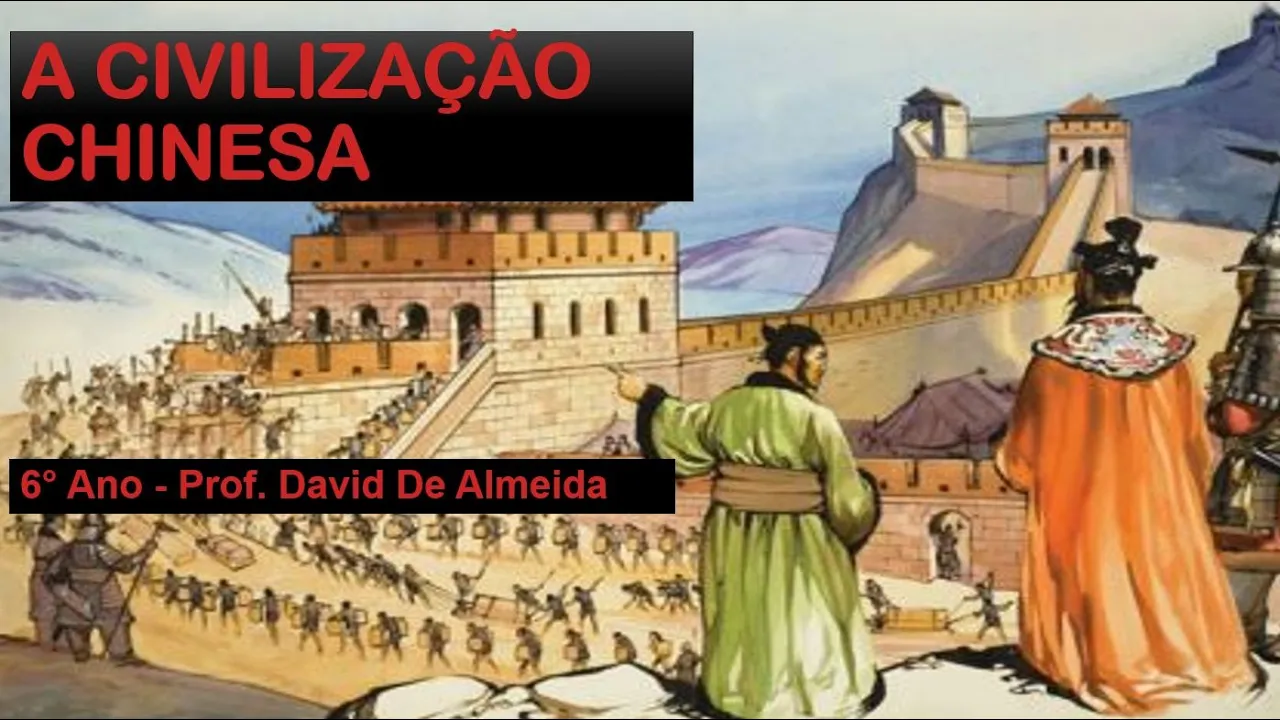
- Construction of the Great Wall during the 15th century aimed at protecting territories from invasions while also serving as an economic route for traders.
Religious Influences in Ancient China
This section explores religious philosophies such as Confucianism, Buddhism, and Taoism that shaped ancient Chinese society.
Confucianism
- Confucianism emphasized harmony between nature and humanity through teachings promoting altruism, integrity, justice, and correct behavior aligned with nature's principles.
- Observing nature's balance was central to Confucian beliefs to guide individuals towards ethical conduct within society.
Buddhism
- Buddhism originated from Gautama's teachings focusing on detachment from material desires to alleviate human suffering caused by insatiable cravings.
- Meditation practices in Buddhism emphasize detachment as a means to achieve inner peace by transcending worldly desires leading to contentment.
Taoism
- Taoism emphasizes observing nature's patterns to understand universal balance symbolized by concepts like yin-yang representing positive-negative forces' equilibrium.
Chinese History Insights
In this section, the discussion revolves around the significance of the Terracotta Army in Chinese history and its connection to Emperor Qin Shi Huang. The conversation also touches upon the Silk Road and the importance of writing systems in ancient civilizations.
Terracotta Army and Emperor Qin Shi Huang
- The Terracotta Army was believed to protect and defend individuals in their afterlife, showcasing a crucial aspect of ancient Chinese beliefs.
- Emperor Qin Shi Huang's power is exemplified by the presence of the Terracotta Army beyond the Great Wall, emphasizing his authority.
Silk Road and Trade
- The Silk Road facilitated trade between Europe and the East, utilizing various means of transportation such as oceanic vessels.
- Products like silk were transported along this route from China to Europe and Japan, highlighting the economic significance of trade networks.
Importance of Writing Systems
- The Chinese ideographic writing system initially evolved from pictograms representing objects to a more abstract symbol-based form conveying ideas.