UD2 Componentes fundamentales de los sistemas microinformáticos 8
Characteristics of Microprocessors
Overview of Memory and Graphics Controllers
- The video discusses the characteristics of microprocessors, focusing on memory and graphics controllers integrated within CPUs.
- It highlights that modern processors include internal memory and graphics controllers to facilitate frequent access by the CPU.
Memory Controller Functionality
- The memory controller is essential for communication between CPU cores and memory, allowing programs to load efficiently.
- It's important to consider the version of DDR memory supported by the processor, as newer versions (like DDR4 and DDR5) offer improved speeds and capacities.
Dual Channel vs. Single Channel Memory
- Processors typically support either single or dual channel configurations; dual channel setups enhance performance by doubling data bus width.
- Common motherboard configurations feature two or four RAM slots, which can be arranged in single or dual channel modes.
Advantages of Dual Channel Configuration
- Utilizing two RAM modules in a dual channel configuration optimizes memory access speed compared to a single module setup.
- Dual channel allows simultaneous access to 64 or 128 bits, significantly improving data throughput.
Practical Considerations for Memory Setup
- In many cases, having two smaller RAM modules (e.g., two 4GB sticks instead of one 8GB stick) can yield better performance due to dual channel benefits.
- Specific processors like Intel Core i5 9400 are limited to supporting only dual channels, emphasizing the need for compatible RAM configurations.
Memory Specifications and Performance
Understanding DDR Versions and Speed
- Different processors support various DDR versions; for instance, an AMD Athlon may support up to DDR4 at specific speeds (e.g., 2666 MHz).
Calculating Bandwidth from Specifications
- Maximum bandwidth can be calculated based on the supported speed multiplied by the number of channels; this is crucial for understanding overall system performance.
Importance of Manufacturer Specifications
Understanding Integrated Graphics in AMD Processors
Specifications of AMD Desktop Processors
- The discussion begins with specifications for AMD desktop processors, highlighting the maximum memory speed of 3200 MHz across four channels.
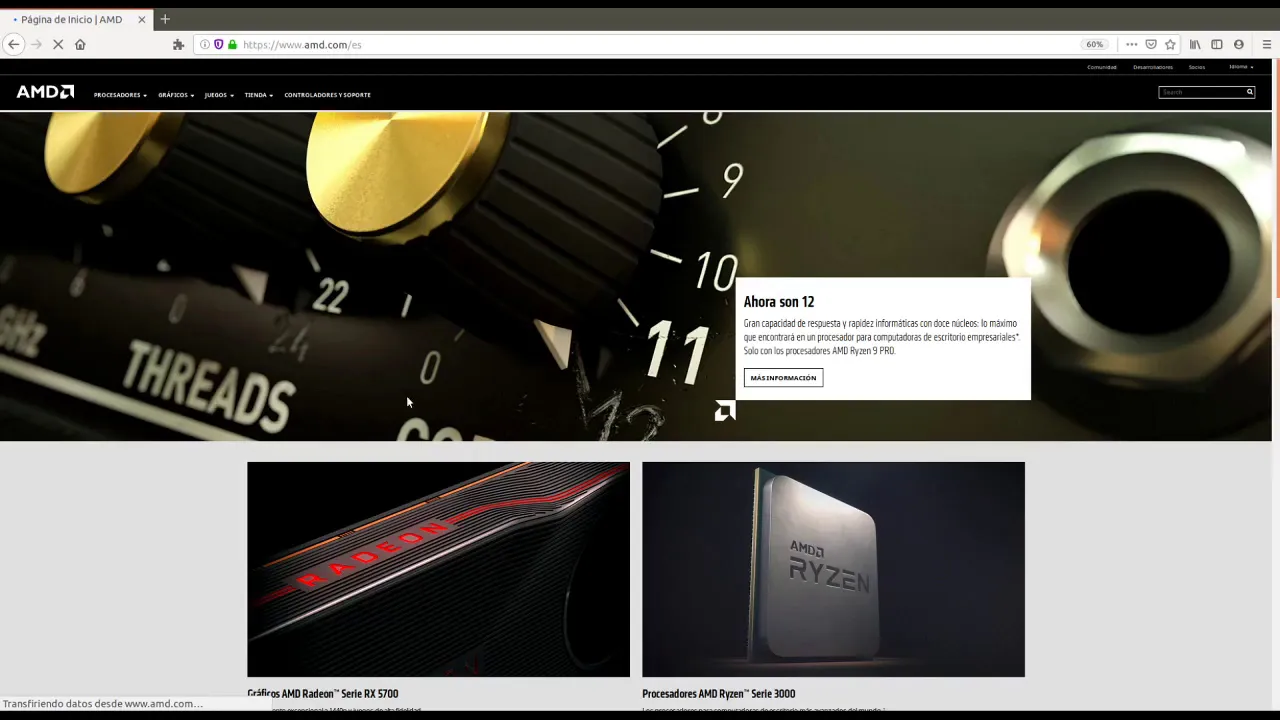
- It is noted that not all AMD processors include integrated graphics controllers; this varies by model and manufacturer.
Integrated Graphics Controllers
- Some AMD processors come with integrated graphics controllers, while others do not. This is due to AMD's acquisition of ATI Technologies, which specialized in dedicated graphics cards.
- Integrated graphics typically lack the performance needed for professional tasks such as graphic design or video editing, where dedicated GPUs are preferred.
Performance Comparison: Integrated vs. Dedicated Graphics
- The integrated graphics controller within a CPU generally has lower capabilities compared to dedicated graphics cards from brands like NVIDIA and ATI.
- Key factors to consider when evaluating integrated graphics include resolution support and data transfer speeds via HDMI connections.
Memory Access and Dual Channel Configuration
- Integrated graphics utilize dual-channel memory configurations to access RAM without hindering CPU performance. This allows simultaneous data processing for both the GPU and CPU cores.
- The shared memory between the internal GPU and CPU cores means that RAM is utilized for graphical tasks, enhancing overall efficiency.
Clock Speed and Overclocking Potential
- The clock speed of a CPU is crucial; it dictates how many operations can be performed per second. A base clock speed example given is 3.5 GHz.
- Overclocking techniques can increase this base speed temporarily, allowing CPUs to perform more instructions per second under certain conditions.
Understanding CPU Architecture and Performance
Clock Speed and Instruction Execution
- The base clock speed of a processor can range from 3,500 MHz to 35 GHz, which dictates the maximum execution cycles for instructions.
- CPUs operate at higher speeds than other system components, allowing them to request data from multiple devices simultaneously while performing various tasks.
Word Width and Data Bus
- The word width refers to the number of bits in the data bus; a wider bus (e.g., 64 bits vs. 32 bits) allows for more powerful instructions with greater information capacity.
- A processor with a 64-bit architecture can handle larger numbers and memory addresses compared to one with a 32-bit architecture.
Memory Addressing and Buses
- Different buses exist for data transfer and memory addressing; a 64-line bus is used for memory access, enabling efficient data handling.
Processor Characteristics
Key Considerations When Choosing a Processor
- Integration density is crucial; lower nanometer technology indicates higher integration capacity, leading to better performance.
- Internal clock speed varies by processor model, affecting overall system performance alongside external bus speeds that connect with other components.
Access Speeds and Compatibility
- Memory access speed is determined by both internal clock speed and data bus width (e.g., 64 bits), impacting transfer rates per second.
- Compatibility between processors, sockets, and chipsets is essential as new generations may alter pin configurations or socket designs.
Advanced Processing Features
Multi-Core Capabilities
- Modern processors may feature multi-core architectures or multiple silicon chips within one package, enhancing processing power—common in servers or supercomputers.
Cache Memory Types
- The type and amount of cache memory supported by the processor are important factors influencing performance.
Integrated Graphics
Turn any video into a summary like this
YouTube links, meetings, lectures. With transcripts, search, and chat.