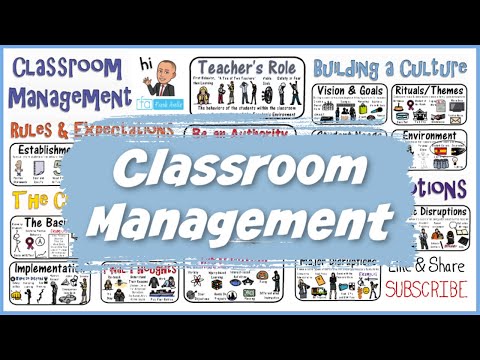
Classroom Management
Classroom Management Essentials
Introduction to Classroom Management
- The video introduces classroom management, covering topics such as building a culture, setting rules and expectations, delivering consequences, and handling disruptions.
- It emphasizes that student behavior is influenced by the teacher's environment, highlighting the importance of creating a safe space for learning.
Teacher's Role in Classroom Management
- Teachers must create a safe environment to prevent bullying and abuse; focusing on behavior first is crucial before shifting attention to learning.
- Establishing authority is vital; teachers should present themselves confidently to gain respect and trust from students.
- Direct communication with strong statements helps address misbehavior effectively; maintaining composure is essential for demonstrating control.
Building Classroom Culture
- Developing a classroom culture starts with establishing a shared vision and SMART goals (Specific, Measurable, Achievable, Realistic, Timely).
- Reinforcing the vision through encouragement and assessment of progress fosters a growth mindset among students.
Examples of Vision Goals
- For at-risk students, goals may include improving attendance or reading proficiency while fostering friendships and reducing bullying.
Incorporating Rituals and Themes
- Celebrating student milestones like birthdays or achievements can strengthen class bonds; activities like field trips or class pets enhance engagement.
- Recognizing "Student of the Month" and displaying student work promotes pride in accomplishments.
Meeting Students' Needs
- Understanding basic human needs (survival, empowerment, belonging) guides student behavior; teachers should ensure these needs are met.
- Maslow’s hierarchy outlines needs from physiological safety to self-actualization; addressing these can improve classroom dynamics.
Creating an Effective Learning Environment
- A clean, safe classroom setup enhances learning; personal space must be respected while ensuring adequate lighting for visibility.
- Classrooms should reflect both teacher personality and student cultures through thoughtful decoration.
Establishing Rules in the Classroom
Importance of Rules
Classroom Management Strategies
Establishing Positive Rules
- Create rules using positive language, such as "arrive on time" instead of "don't be late." Ensure rules are clear and specific.
- Avoid long sentences when writing rules; simplicity aids understanding.
- Involve students in the rule-making process by asking for their input or suggestions.
Enforcing Classroom Rules
- Consistency is crucial; enforce rules uniformly across all students without exceptions.
- Display classroom rules visibly to remind students of expectations.
- Teachers should personally enforce rules rather than relying on principals, who may be too busy. This demonstrates authority and responsibility.
Implementing Procedures
- Develop procedures for various classroom activities, including material distribution and attendance taking.
- Establish clear guidelines for tests (e.g., voices off, face forward), group activities, and bathroom use to minimize disruptions.
- Have a system for collecting homework to streamline processes and avoid delays.
Understanding Consequences
- Students must be aware of consequences associated with misbehavior; clarity helps them understand cause-and-effect relationships.
- Align consequences with the school's vision and reinforce positive behaviors through rewards like high grades for good conduct.
- Examples of consequences include detention, loss of privileges, or personal discussions about behavior.
Documentation Practices
- Document serious incidents meticulously; this protects teachers and creates a permanent record of student actions.
- Record specifics such as dates, times, locations, and witnesses to ensure accuracy in documentation.
Responding to Behaviors
- Intervene immediately if safety is at risk or if established rules are broken. Quick responses help maintain order in the classroom.
- Maintain student dignity while addressing behavior issues; logical consequences should follow inappropriate actions (e.g., making a student pick up litter).
Managing Disruptions
Minor Disruptions
- Address minor disruptions (like whispering or tapping pencils) without halting instruction completely. Use subtle cues to redirect attention back to learning.
Chronic Disruptions
Classroom Management Strategies
Understanding Student Disruptions
- Each student is unique; effective consequences must be tailored to individual needs. Teachers should reflect on what strategies have been successful or unsuccessful.
- Major disruptions pose serious risks, such as property destruction and violence. Familiarity with school policies and students' IEPs/504 plans is crucial before addressing these behaviors.
- In cases of major incidents, contacting an administrator is essential. Teachers should also know the location of first-aid kits and exits for safety.
Instructional Techniques for Classroom Management
- Well-planned, engaging lessons can significantly reduce behavioral issues by preventing boredom. Varying lesson routines keeps students engaged.
- Incorporating students' interests into lesson planning fosters engagement through hands-on activities, like bridge building in a BD classroom.
Final Thoughts on Classroom Management
- Regularly reteaching rules and procedures is necessary as students may forget them over time, especially after breaks.