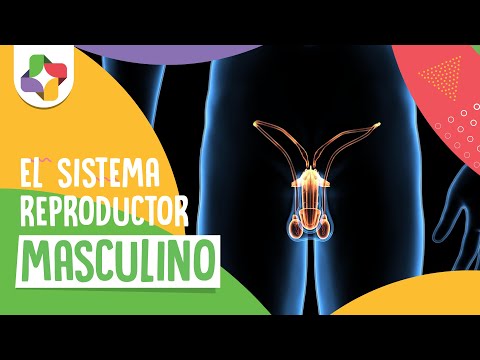
Sistema reproductor masculino - Biología - Educatina
Overview of the Male Reproductive System
Introduction to the Male Reproductive System
- The male reproductive system, also known as the male genital or genitourinary system, is unique to humans and plays a crucial role in reproduction.
- Its primary function is to generate spermatozoa (male gametes), which are essential for species reproduction.
Key Structures of the Male Reproductive System
- The main components include:
- Testicles: Responsible for sperm production.
- Epididymis: Stores and matures sperm.
- Vas deferens: Transports sperm from testicles.
- Prostate gland: Contributes fluids to semen.
- Seminal vesicles: Produce seminal fluid.
- Urethra: Conducts urine and semen out of the body.
Functionality of Testicles
Role of Testicles
- Testicles are small organs whose primary function is producing male gametes (sperm). This occurs within structures called seminiferous tubules.
- They also produce hormones, particularly testosterone, which influences secondary sexual characteristics such as voice depth and body hair distribution.
Importance of Temperature Regulation
- The scrotum, a pouch-like structure surrounding the testicles, maintains an optimal temperature (~30°C) necessary for effective sperm production, lower than normal body temperature (37°C).
Understanding the Epididymis
Function of Epididymis
- The epididymis consists of approximately 7 cm long tubes that connect to the back of each testicle. Its main role is storing sperm produced in the seminiferous tubules until they mature and gain mobility.
- This storage process is critical for enabling sperm movement through female reproductive tracts during fertilization attempts; this maturation phase lasts about 18 hours.
Transport Mechanisms in Male Reproductive System
Vas Deferens and Urethra Functions
- The vas deferens serves as a conduit transporting matured sperm from the epididymis towards the urethra during ejaculation. It connects directly with both urinary and reproductive systems.
- The urethra has dual functions:
- It transports sperm outside during ejaculation.
- It also serves as a passageway for urine elimination from the bladder, distinguishing it from female anatomy where these functions are separated.
Additional Structures in Male Reproductive Anatomy
Seminal Vesicles
Understanding the Role of Semen and Reproductive Structures
The Importance of Semen
- Semen is described as a viscous liquid that serves as a transport medium for sperm cells, essential for their entry into the female reproductive system.
- It contains water and nutrients, including sugars, which are vital for sperm survival during their journey to fertilize the egg.
Key Reproductive Structures
Prostate Gland
- The prostate is identified as a glandular organ that secretes seminal fluid, which combines with semen to protect and nourish sperm on their path through the female reproductive system.
Penis Structure
- The penis functions as an organ allowing sperm to exit the male body and enter the female reproductive tract.
- It acts as an entry point to the vagina, facilitating sperm movement towards the fallopian tubes where fertilization occurs.
Additional Functions of the Penis
- The urethra within the penis also serves to expel urine, highlighting its dual role in both reproduction and excretion.