Mark Ritson on the effectiveness of Gillette's marketing stratgy
Gillette's Marketing Mastery
The Legacy of Gillette in Marketing
- Gillette has been a leading example of effective brand management and marketing for over a century, particularly dominating the wet shave category in America.
- The brand frequently launches incremental product improvements, successfully migrating consumers from older models to newer ones, as seen with the transition from Mach 3 to Gillette Fusion.
Impact of Economic Changes
- The Global Financial Crisis (GFC) introduced frugality among American men, causing a shift where many users downgraded from premium razors like Fusion to cheaper private-label options.
- To address this challenge, Gillette conducted research to understand the profile of Mach 3 users—primarily low to middle-income males aged 18 to 34 who were loyal but not actively seeking upgrades.
Understanding Consumer Behavior
- Insights revealed that Mach 3 users viewed their current razor as "good enough," showing reluctance towards upgrading due to perceived lack of value in new products.
- Many consumers were habitual buyers, often relying on partners for purchases and resistant to change unless prompted by significant incentives.
Strategic Marketing Approach
- Gillette aimed to convert Mach 3 users into Fusion customers by appealing directly to their interests in sports and video games through targeted marketing strategies.
- A three-stage plan was developed: disrupt the refill cycle, present relevant offers, and ultimately persuade consumers about the value of upgrading.
Innovative Campaign Execution
- The campaign featured limited-edition Fusion razors linked with local football teams and popular video games like Madden NFL 10, creating excitement around the product.
- Multi-channel promotion included print ads in targeted media such as Sports Illustrated and localized radio ads informing consumers about special offers before they reached stores.
Results and Market Insights
- Digital marketing efforts included e-commerce websites and Google search advertising aimed at driving traffic toward Walmart for these limited-edition products.
- The campaign resulted in a remarkable 20% increase in Fusion sales at Walmart during its run, highlighting both consumer engagement success and financial benefits for retailers.
Key Takeaways from Gillette's Strategy
- Successful marketing requires deep understanding of market segments; targeting specific demographics can yield substantial results while ignoring less relevant groups can streamline focus.
Understanding Gillette's Marketing Strategy
The Balance of Target and Mass Marketing
- Gillette's marketing strategy is not solely about target marketing; it involves a significant budget for advertising, indicating a dual approach to reach consumers.
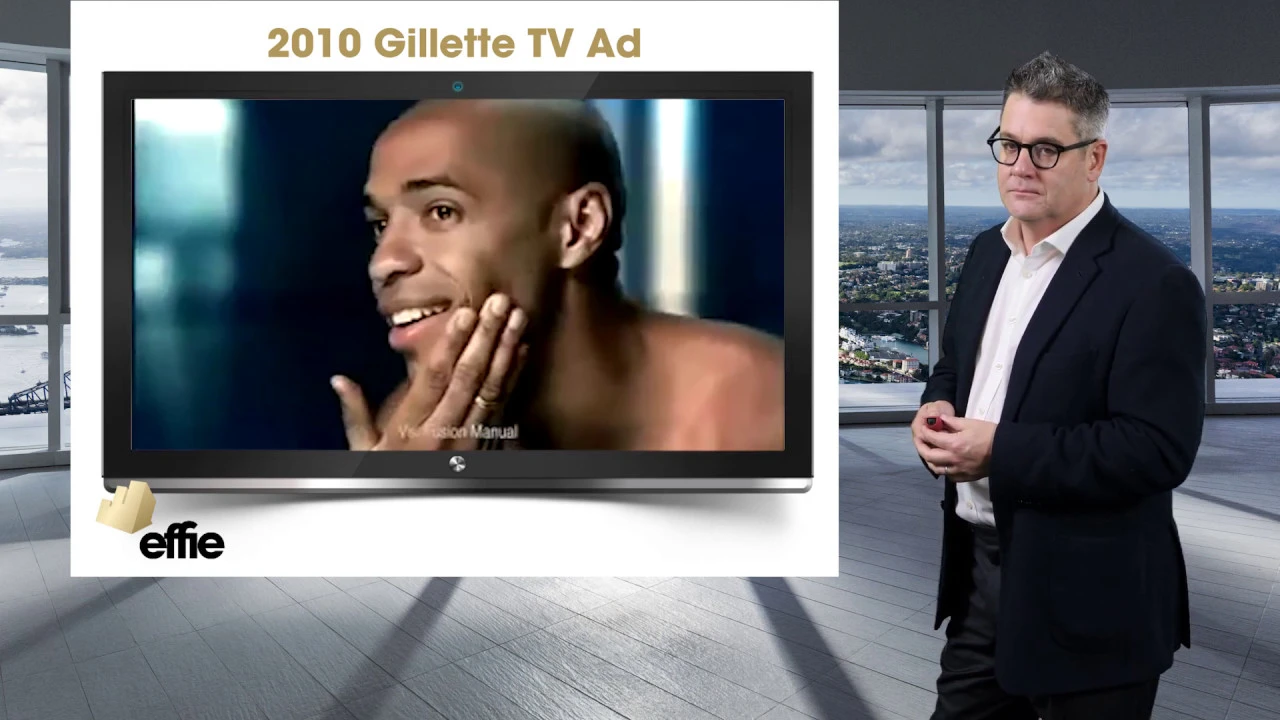
- A specific advertisement showcases the Gillette Fusion Power, emphasizing brand image over product performance through mass media campaigns that have been ongoing for nearly a decade.
- The campaign targets the entire shaving category rather than just individual products, highlighting the importance of long-term brand building in conjunction with targeted efforts.
- In 2010, alongside broader campaigns, Gillette executed smaller targeted initiatives aimed at encouraging existing users to increase their usage and switch cartridges more frequently.
- Research supports that while short-term campaigns can effectively target segments or new customers, long-term brand-building efforts benefit from reaching out to the entire market.
Key Insights on Marketing Effectiveness
- Effective marketing strategies should integrate both targeted and mass marketing approaches to maximize returns and build brand equity over time.