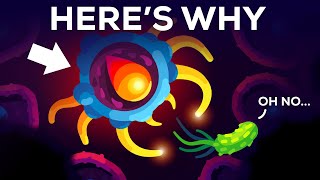
Your Body Killed Cancer 5 Minutes Ago
Understanding Cancer and the Immune System
The Role of the Immune System
- The immune system continuously eliminates corrupted cells, preventing cancer development without the individual noticing.
- Cancer arises when cells multiply uncontrollably, with various types exhibiting different growth rates and treatment responses.
Evolution of Cells
- Over billions of years, evolution has shaped cells to cooperate for survival, but cancer cells revert to individualistic behavior, harming the collective organism.
- Cancer cells act as rogue entities that consume resources and destroy surrounding organs while not inherently malicious.
Genetic Mutations Leading to Cancer
- DNA mutations occur frequently due to normal cellular processes; most are repaired quickly, but some accumulate over time leading to cancer.
- Factors like smoking or viruses can increase DNA damage; however, aging is a significant contributor to mutation accumulation.
Key Genetic Mutations in Cancer Development
- Three critical gene categories must be mutated for cancer: tumor suppressor genes (TSGs), oncogenes, and apoptosis-related genes.
- TSGs help repair DNA errors; if damaged, cells lose their ability to control reproduction and repair mechanisms.
Mechanisms of Cell Division and Death
- Oncogenes promote rapid cell division; if they become corrupt, they reactivate unchecked growth similar to fetal development.
- Apoptosis genes trigger controlled cell death when damage is detected; corruption here allows damaged cells to proliferate uncontrollably.
Identifying Corrupted Cells
Immune System's Detection Methods
- The immune system identifies corrupted cells by analyzing proteins produced within them using MHC class 1 molecules as display windows.
- Specialized T-cells recognize forbidden proteins presented by MHC molecules; their presence indicates a corrupted cell that needs elimination.
Challenges in Detection
- If a cancer cell mutates to stop producing MHC class 1 molecules, it becomes invisible to T-cells, complicating detection efforts.
Natural Killer Cells: A Backup Defense
Functionality of Natural Killer Cells
- Natural killer (NK) cells patrol the body looking for signs of corruption by checking for MHC class 1 molecules on all cells.
- NK cells operate under a "murder mode," ready to eliminate any cell lacking proper display windows indicative of healthy function.
The Ongoing Battle Against Cancer
Future Perspectives on Cancer Treatment
- Despite robust defenses against young cancer cells by the immune system, some evolve better resistance strategies leading to an ongoing arms race.
- Emerging therapies such as vaccines and engineered immune responses show promise in combating cancer more effectively.
Turn any video into a summary like this
YouTube links, meetings, lectures. With transcripts, search, and chat.