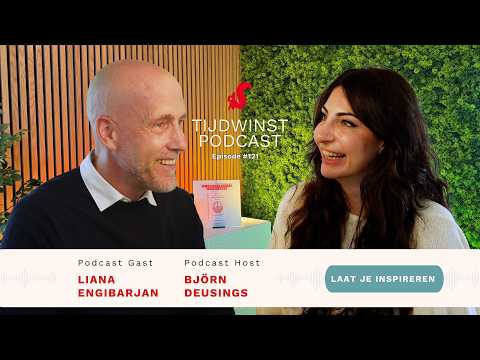
Introduction to the Tijdsmins Podcast
Welcoming Liana Engy Barjan
- The host, Buren Deuzings, introduces the podcast and guest Liana Engy Barjan, a female inland ship captain.
- There is a light-hearted discussion about the correct term for a female captain, with agreement that "schipper" (captain) is appropriate.
Background of Liana Engy Barjan
- Liana shares her background as originally from Armenia but now living in Rotterdam since she was four years old. She speaks with a strong Rotterdam accent.
- She reflects on how her environment and work in inland shipping have influenced her language and cultural integration into Dutch society.
Life on an Inland Ship
Unique Lifestyle of Living and Working Aboard
- Liana describes the lifestyle of living and working on an inland ship as akin to being "gypsies," constantly moving to different locations each day.
- She emphasizes that while it may seem like they live in one place, their daily views change significantly due to their travels.
Time Management Insights
- Contrary to common perceptions, she notes that time management can be more efficient aboard since there’s no commute involved; tasks are done immediately upon waking up.
- Liana humorously mentions how she often spends weeks in pajamas while onboard, highlighting the relaxed atmosphere among crew members who become like family over time.
Communication Dynamics Onboard
Importance of Open Communication
- Effective communication is crucial when living closely with others; unspoken issues can lead to misunderstandings or tension among crew members.
- Liana stresses that sharing personal feelings or problems helps maintain harmony onboard, especially given the 24/7 nature of their work environment.
Challenges of Managing Relationships
- Managing interpersonal relationships aboard can be challenging due to fatigue and stress from long hours at sea; maintaining a positive atmosphere is essential for morale.
- She acknowledges that while there are conflicts at times, addressing them openly leads to better teamwork and understanding among crew members.
Gender Dynamics in Inland Shipping
Experiences as a Female Captain
- Liana discusses gender dynamics within her profession; initially facing skepticism from male colleagues but gradually earning respect through competence and experience over time.
- She notes that being seen as “the woman” alongside her husband has its challenges but also provides opportunities for collaboration once trust is established among peers.
Navigating Respect and Authority
- The importance of demonstrating capability rather than relying solely on authority is emphasized; actions speak louder than words in gaining respect within this field.
Personal Growth Through Experience
Learning from Mistakes
- Reflecting on past mistakes made during early career stages has been instrumental for growth; these experiences have shaped her current approach towards leadership and decision-making aboard ships.
Universal Struggles Across Professions
- Despite differences across sectors, women share universal desires for recognition and fulfillment at work; this commonality transcends specific job roles or industries.
Coping Mechanisms While Aboard
Adapting to Isolation
- Modern technology allows better communication with loved ones compared to earlier days when contact was limited; however, isolation remains a challenge unique to life aboard ships.
Balancing Work-Life Dynamics
- The conversation shifts towards balancing personal life with demanding work schedules; finding ways to recharge mentally while managing responsibilities becomes vital.
Practical Skills Learned from Inland Shipping
Resourcefulness Developed Over Time
- Living aboard teaches resourcefulness—planning meals ahead based on available supplies becomes second nature due to limited access during voyages.
Importance of Nutrition
- Emphasizing nutritious meals onboard contributes significantly toward maintaining energy levels necessary for physically demanding tasks throughout long shifts at sea.
Reflections on Work-Life Balance
Continuous Self-Evaluation
- Both speakers reflect upon their tendencies towards overworking themselves while recognizing signs indicating burnout or exhaustion requiring attention before reaching critical points.
Accepting Individual Differences
- They conclude by acknowledging varying approaches individuals take regarding productivity versus relaxation—finding balance tailored specifically according each person’s needs remains key takeaway message shared throughout discussion.
The Importance of Downtime and Connection with Nature
Balancing Productivity and Relaxation
- Emphasizes the significance of taking time for oneself, such as going for a walk, rather than solely focusing on productivity or financial gain.
- Highlights the need to disconnect from stimuli; suggests that true relaxation involves doing nothing and avoiding distractions like podcasts or reading.
- Discusses how modern distractions lead to restlessness, noting that our brains have not evolved to handle today's overwhelming sensory input.
The Role of Mindfulness in Recovery
- Suggests that recovery requires moments of stillness without distractions, encouraging people to engage their senses by observing their surroundings.
- Shares personal experiences of finding joy in simple observations, like watching a child play or a pet interact.
Connection with Nature vs. External Distractions
Finding Meaningful Connections
- Differentiates between meaningful distractions (like observing pets) and external stimuli that create unnecessary pressure or desires.
- Advocates for engaging with nature or loved ones as a way to recharge energy levels effectively.
Modern Challenges with Digital Devices
- Reflects on how technology has changed communication and engagement compared to earlier times when devices were less intrusive.
- Questions how individuals maintain balance amidst constant connectivity and digital demands.
The Nature of Influence in Professional Life
Understanding Influencing Beyond Social Media
- Clarifies the distinction between being an influencer on social media versus conducting research and gathering data for businesses.
- Describes the challenges faced when collecting feedback from industry professionals, emphasizing the importance of constructive criticism despite potential backlash.
Managing Energy Levels in Work
- Discusses the exhaustion associated with content creation while highlighting the fulfillment derived from public speaking engagements where direct audience interaction occurs.
Goals within the Inland Shipping Sector
Innovating Traditional Industries
- Expresses a desire to innovate within inland shipping, addressing its historical limitations while recognizing emerging opportunities due to workforce shortages.
Bridging Communication Gaps
- Positions herself as an intermediary between ship operators and government entities, facilitating information exchange crucial for industry advancement.
Navigating Personal Fulfillment Amidst Professional Demands
Redefining Work-Life Balance
- Acknowledges past practices of daily posting but now limits it to three times per week due to energy management needs related to motherhood and personal projects.
Prioritizing Family Over Work
- Identifies motherhood as a key factor influencing her work schedule; emphasizes prioritizing family health over professional obligations.
Structuring Time Effectively
Daily Routines
- Outlines her structured daily routine which includes early mornings dedicated to work before attending to family responsibilities throughout the day.
Freedom through Flexibility
- Celebrates having control over her schedule, allowing flexibility around family commitments while ensuring productivity remains high.
The Value of Productive Environments
Critique of Traditional Office Culture
- Critiques conventional office dynamics where social interactions can detract from productivity; advocates for efficiency-focused environments instead.
This markdown file captures essential insights from the transcript while providing clear timestamps for easy reference. Each section is organized thematically, allowing readers to navigate discussions efficiently.
The Importance of Ownership and Planning in Work
Work Preparation and Responsibility
- The speaker reflects on their upbringing, emphasizing the importance of planning in construction work, where preparation is crucial to avoid delays.
- They express confusion over individuals who do not take ownership of their responsibilities, particularly when it comes to being unprepared for tasks.
Vacation and Work-Life Balance
- When on vacation, the speaker completely disconnects from work by using a different phone number and turning off their out-of-office notifications.
- Upon returning from vacation, they acknowledge the need to catch up but prefer not to check emails during their time off to ensure true relaxation.
Managing Post-Vacation Workload
- The speaker discusses how they manage post-vacation workload by allowing themselves a couple of days to sort through emails without feeling pressured.
- They highlight the necessity of having a reliable team that can make decisions in their absence, which helps alleviate stress upon return.
Letting Go: A Key Challenge for Entrepreneurs
Financial Awareness vs. Control
- The speaker notes that early in entrepreneurship, there’s often an obsession with costs and micromanaging every expense.
- They emphasize that involving oneself too much does not significantly improve decision-making outcomes; sometimes it only marginally enhances results.
Acceptance as a Growth Strategy
- Acceptance is identified as one of the hardest challenges people face—particularly letting go of control over various aspects of business or life.
Learning Through Adversity
Personal Experience with Injury
- The speaker shares a personal story about suffering an accident during vacation which taught them about resilience and the ability to let go while life continues without them.
Balancing Visibility with Detachment
- They discuss the challenge of maintaining visibility in business while also needing to detach from daily operations for mental health reasons.
Strategic Planning for Future Success
Working Ahead
- The importance of working ahead is emphasized; preparing content months in advance allows flexibility for unforeseen circumstances later on.
Commitment to Projects
- When starting new projects, setting long-term commitments (like one year for podcasts or other initiatives), ensures sustained effort and focus.
Content Creation Strategies
Documenting Processes
- Documenting processes is seen as essential not just for organization but also as a strategic tool that aids future content creation efforts efficiently.
Value Over Sales Focus
- The discussion shifts towards providing valuable content rather than focusing solely on sales pitches; this builds trust and credibility within professional networks like LinkedIn.
Critique of Current Marketing Trends
Over-commercialization on Social Media
- There’s criticism regarding how platforms like LinkedIn have become overly commercialized with users primarily focused on self-promotion rather than sharing valuable insights.
Authentic Engagement
- Authentic engagement is encouraged over superficial marketing tactics; genuine interactions are more beneficial than mere promotional posts.
Defining Success Beyond Metrics
Evolving Goals
- The speaker reflects on how success can be fluid; goals may change based on experiences or newfound insights gained along one's journey.
Raising Awareness
- Their mission extends beyond personal success; it's about raising awareness around broader issues affecting society at large.