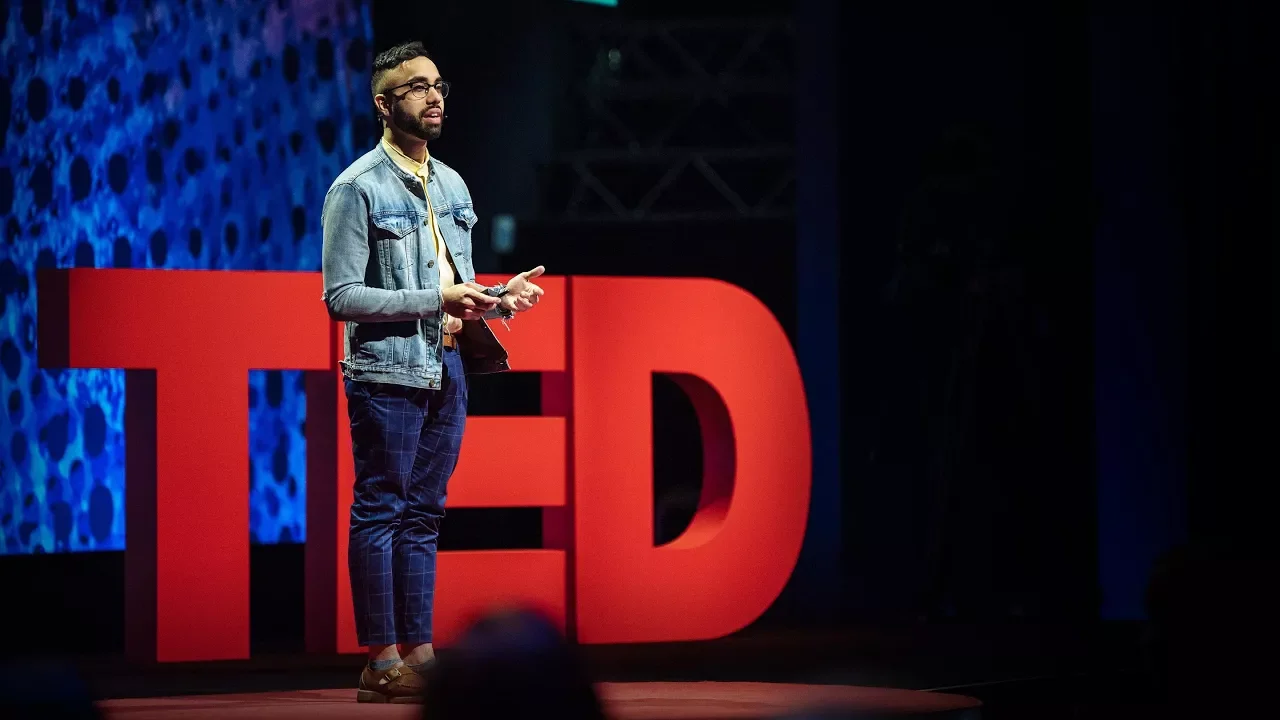
3 creative ways to fix fashion's waste problem | Amit Kalra
Desire for Sustainable Fashion
The speaker discusses their journey towards sustainable fashion, starting from thrift store finds to questioning the environmental impact of the fashion industry.
Finding Style in Thrift Stores
- Thrift stores as a treasure trove for unique clothing -
- Tailoring vintage garments for a contemporary look -
Environmental Impact of Fashion Industry
- Realization of excessive textile waste in thrift stores -
- Shocking statistics on garment waste and landfill contribution -
Fashion Industry's Environmental Impact
The speaker delves into the alarming environmental impact of the fashion industry compared to other sectors like oil and gas.
Fashion Industry Pollution
- Fashion industry as the second-largest polluter globally -
- Contrast between perceived industries' attitudes towards sustainability -
Water Consumption in Clothing Production
- Enormous water usage in clothing production per household annually -
- Lack of sustainability in design despite focus on comfort and trendiness -
Designing Recyclable Clothing
Proposing a shift towards designing recyclable clothing through modular design principles.
Modular Design Approach
- Comparison of clothing design to Lego building for strength and adaptability -
Fixing the Environmental Impact in Fashion Industry
The speaker discusses the need to address the environmental impact of the fashion industry by designing clothes that are compostable, extending the lifespan of garments, and rethinking dyeing processes.
Designing Compostable Clothes
- Designing clothes to be compostable at the end of their lives is crucial for addressing the environmental impact of the fashion industry.
Extending Garment Lifespan
- Extending a garment's life by even nine months can significantly reduce waste and water impact by 20 to 30 percent.
Shifting Focus to Basics
- Basic items like socks, underwear, and pajamas never go out of style and can be worn down to maximize use before composting.
Rethinking Dyeing Processes
- Reconsidering how clothes are dyed is essential. Exploring natural dye options like spices and herbs could lead to more unique and environmentally friendly clothing.
Customization and Sustainability in Fashion Industry
The speaker emphasizes the importance of customization in providing unique products while promoting sustainability in the fashion industry.
Unique Product Development
- Brands offering products that become more unique over time will have a competitive advantage in the market.
Customization Trends
- Customization has been a trend with platforms like Indochino and Tinker Tailor enabling bespoke suiting and dress-making from home.
Environmental Friendliness & Individuality
- Providing individuality at scale while being environmentally friendly can lead to significant shifts in consumer-facing businesses.
Turn any video into a summary like this
YouTube links, meetings, lectures. With transcripts, search, and chat.