Tecnologías de sistema de riego por goteo
Introduction to Drip Irrigation System
In this section, the speaker introduces a small corn field and explains the purpose of installing a drip irrigation system as a complement to the rainy season.
Components of Drip Irrigation System
- A connector is used to connect the drip tape, ensuring that the emitters are oriented upwards.
- The three main components of a drip irrigation system are:
- Water source (in this case, a tank)
- Filtration system (a mesh filter is shown)
- Distribution network (main hose and drip tape)
Installation Materials
The speaker describes the materials that will be used for installing the drip irrigation system.
Materials for Installation
- Connector: Used to connect the drip tape.
- Tank: Serves as the water source for the system.
- Filter: Ensures that solid particles do not pass through and clog the distribution network.
Installation Process Preparation
The speaker explains how to prepare for installing the drip irrigation system.
Preparing for Installation
- Choose an appropriate location for placing the tank based on terrain and elevation.
- Ideally, construct a tower using wooden posts to elevate the tank between 1 meter and 1.2 meters high.
- This elevation provides sufficient pressure for proper functioning of the system.
Components of Drip Irrigation System
The speaker discusses each component of a drip irrigation system in detail.
Components of Drip Irrigation System
- Water Storage Tank: A 450-liter tank used to store water for distribution through the hydraulic distribution network.
- Filtration System: Consists of a filter with mesh that prevents solid particles from entering the distribution network.
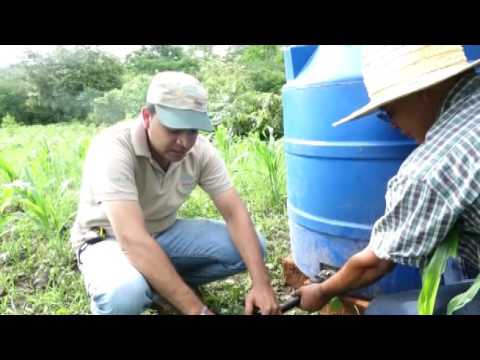
- Connection to Tank: A valve is connected to the tank outlet, followed by the filter and an adapter or elbow for connection.
Selecting Tank Location
The speaker explains how to select the appropriate location for placing the water storage tank.
Selecting Tank Location
- Observe and evaluate the terrain before deciding on the tank's placement.
- Construct a tower using wooden posts at an elevation of 1 meter to 1.2 meters.
- This elevation provides sufficient pressure for proper functioning of the system.
Sufficient Pressure for System Operation
The speaker emphasizes the importance of having sufficient pressure in a drip irrigation system.
Ensuring Sufficient Pressure
- Placing the water storage tank at an elevation of 1 meter to 1.2 meters provides enough pressure for system operation.
Water Storage Tank and Filtration System
The speaker discusses the water storage tank and filtration system in detail.
Water Storage Tank and Filtration System
- A 450-liter tank is used as a water source for distribution.
- A filtration system with mesh prevents solid particles from entering the distribution network.
- Proper connections are made between the tank outlet, valve, filter, and adapter or elbow.
Connecting Filter and Main Hose
The speaker explains how to connect the filter to the main hose in a drip irrigation system.
Connecting Filter and Main Hose
- Connect a level connector from the filter outlet to ensure proper connection with a valve on the tank.
- Install a mesh filter that can be coupled with an adapter or elbow.
- Ensure that all connections are secure to prevent any issues during system operation.
Filter Placement and Water Filtration
The speaker discusses the placement of the filter and its role in water filtration.
Filter Placement and Water Filtration
- The filter should be placed downward to allow sediment to settle at the bottom, preventing clogging of emitters.
- The mesh in the filter effectively filters out solid particles, ensuring clean water flows through the distribution network.
Connecting Drip Tape to Main Hose
The speaker explains how to connect the drip tape to the main hose in a drip irrigation system.
Connecting Drip Tape to Main Hose
- Connect the main hose, which is connected to the tank outlet, with a connector.
- The secondary hose is distributed across the field and connected using connectors that allow water distribution in both directions.
- Ensure all connections are secure to prevent any leaks or detachment during system operation.
Securing Connections and Preventing Damage
The speaker emphasizes the importance of securing connections and preventing damage in a drip irrigation system.
Securing Connections and Preventing Damage
- It is crucial to ensure that all accessories and connections are properly secured to avoid any issues during system operation.
- Properly secured connections prevent leaks or detachment, which can occur frequently if not done correctly.
Connecting Drip Tape to Secondary Hoses
The speaker explains how to connect the drip tape to secondary hoses in a drip irrigation system.
Connecting Drip Tape to Secondary Hoses
- Perforate the secondary hoses at regular intervals based on crop requirements (e.g., 90 cm for corn).
- Insert an emitter into each perforation by first inserting it into an adapter or elbow.
- Ensure that emitters are oriented upwards to prevent sediment accumulation and clogging.
Proper Installation of Drip Tape
The speaker emphasizes the importance of properly installing the drip tape in a drip irrigation system.
Proper Installation of Drip Tape
- Ensure that the drip tape is securely connected to the secondary hoses.
- Pay attention to proper alignment and orientation of emitters for optimal water distribution.
- Avoid placing emitters downwards, as it can lead to sediment accumulation and clogging.
Perforation Distance Based on Crop
The speaker explains how to determine the perforation distance for connecting the drip tape based on crop requirements.
Perforation Distance Based on Crop
- Determine the distance between rows (surcos) based on the specific crop being grown.
- In this case, with 90 cm between rows for corn, perforate the secondary hoses at every 90 cm interval.
Connecting Emitters to Secondary Hoses
The speaker explains how to connect emitters to secondary hoses in a drip irrigation system.
Connecting Emitters to Secondary Hoses
- Insert an emitter into each perforation by first inserting it into an adapter or elbow.
- Ensure that emitters are oriented upwards for effective water distribution and prevention of clogging.
Connection Process Completion
**
Proper Utilization of the System
The speaker emphasizes the importance of being cautious when using the system to avoid damaging the hoses and causing destruction within the cultivation area. They recommend that other producers learn how to use and assemble the system effectively.
Tips for Proper Utilization
- Be careful when using tools in the cultivation area to avoid cutting or damaging the hoses.
- Learning how to use and assemble the system is crucial for its effective utilization.
- Water collection structures are highly beneficial for maximizing resources and rural development in dry areas.
Conclusion and Additional Information
The speaker concludes by expressing hope that the information provided throughout the program has been helpful. They invite viewers to visit their YouTube channel for more programs and leave comments. Additionally, they mention upcoming repeats of this program on Sunday at 9 PM and Monday at 5:30 AM.
Final Remarks
- The speaker hopes that viewers have found the information provided in this program useful.
- Viewers can visit their YouTube channel, "INTA Nicaragua," to watch this program or others.
- Two repeats of this program will be aired on Sunday at 9 PM and Monday at 5:30 AM.
- The next episode will feature new producers, communities, and experiences.
Timestamps were not provided for some parts of the transcript.