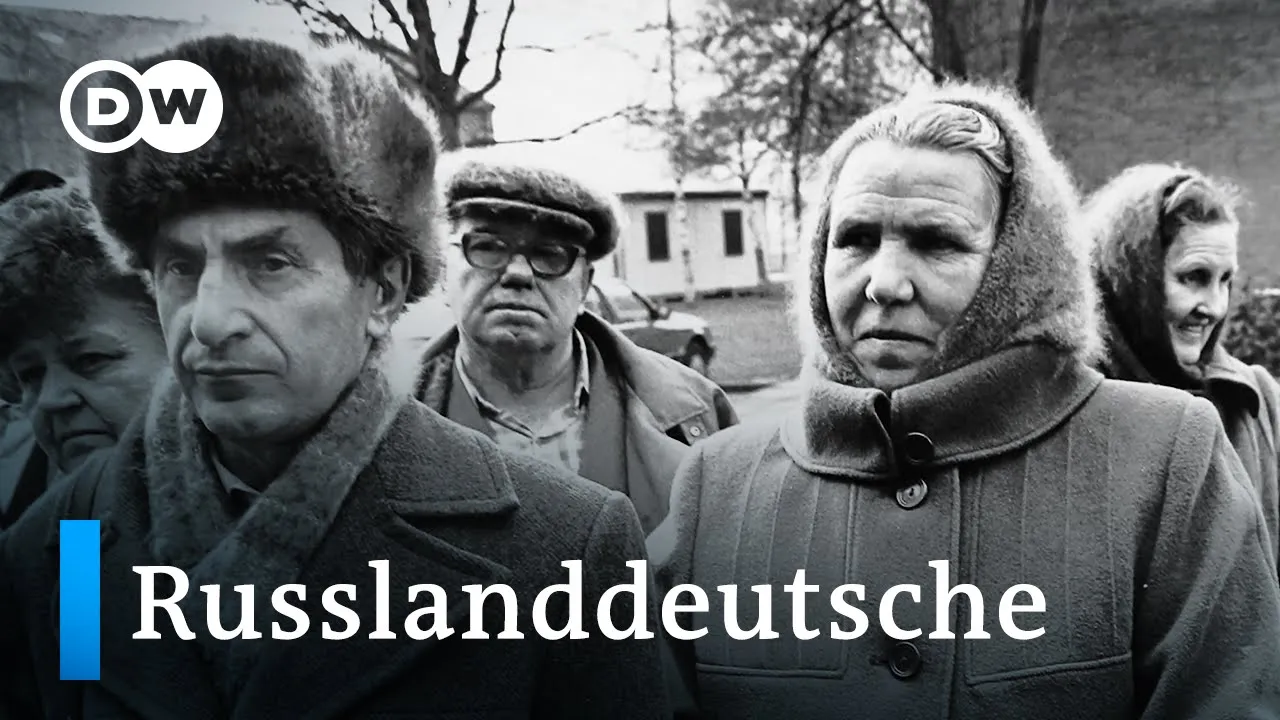
Russlanddeutsche - ein Leben zwischen zwei Kulturen | DW Doku Deutsch
[Musik] Generationen geprägt von Migration, Repression und Leid
The speaker discusses the impact of migration, repression, and suffering on generations.
Life Between Two Cultures
- A Russian-German grandmother shares her life between two cultures with her granddaughter.
- Reflecting on a childhood incident where she was called "ruskii Rusi" despite not speaking Russian at home.
History and Identity
- The story of Olga Wagner, born in the Soviet Union to German ancestors from Hessen who migrated in the 19th century.
- Contextualizing Olga's early years during Nazi Germany's attack on the USSR and the subsequent deportation of Russlanddeutsche.
Resilience and New Beginnings
- Despite hardships, Olga's life improves as she finds work, marries, and raises four children after moving to Germany in the 1990s.
- The theme of migration, oppression, and resilience is highlighted as a common thread among Russlanddeutsche generations.
Historical Background: Migration Patterns and Political Shifts
Exploring historical events shaping migration patterns and political changes for Russlanddeutsche.
Catherine the Great's Invitation
- Beginning in the 18th century with Catherine the Great inviting German settlers to newly acquired territories in southern Russia like Volga River region.
Changing Policies
- Shift in policies towards Germans in Russia during Alexander II's reign introducing challenges like compulsory military service leading to tensions between German settlers and Russian nationalism.
Impact of World Events
- Effects of World War I marking a significant wave of migration for Russlanddeutsche due to conflicts between Russia and Germany.
Detailed Overview of the Transcript
The transcript delves into the historical treatment of Russlanddeutschen in the Soviet Union under Stalin's regime, their subsequent migration to Germany, and challenges faced in integrating into German society.
Treatment of Russlanddeutschen in the Soviet Union
- In the 1930s, under Stalin's dictatorship, Russlanddeutschen faced deportations, repression, and loss of autonomy rights.
- With the invasion by the Wehrmacht on the Soviet Union, Russlanddeutschen were viewed as a threat. They were prohibited from practicing traditions and religion.
- This period saw mass executions of societal figures like pastors and professors, leading to a collective trauma with around 200,000 deaths due to violence or hunger.
Rehabilitation and Migration to Germany
- In 1991, communist regime actions against oppressed peoples were deemed illegal. Russlanddeutschen were rehabilitated but did not receive promised self-determination rights.
- Following the collapse of the Soviet Union in 1991, around 3 million Russlanddeutschen migrated to Germany for citizenship and integration support.
Integration Challenges in Germany
- Many Russlanddeutschen faced challenges upon arrival in Germany. Xenia recalls initial settlement struggles but now considers Frechen her home.
- Despite being born in Kazakhstan, Xenia identifies strongly as German due to upbringing values like punctuality and reliability instilled by her family.
Identity Struggles and Recognition
- Not all Russlanddeutschen find it easy to identify culturally; many feel alienated due to lack of recognition and understanding from mainstream society.
- There is a mutual desire for acceptance and belonging among Russlanddeutschen. Integration success stories exist but require acknowledgment from both sides.
Call for Historical Acknowledgment
- The history of Russlanddeutschen needs inclusion in collective memory through avenues like school textbooks for societal understanding and dialogue facilitation.