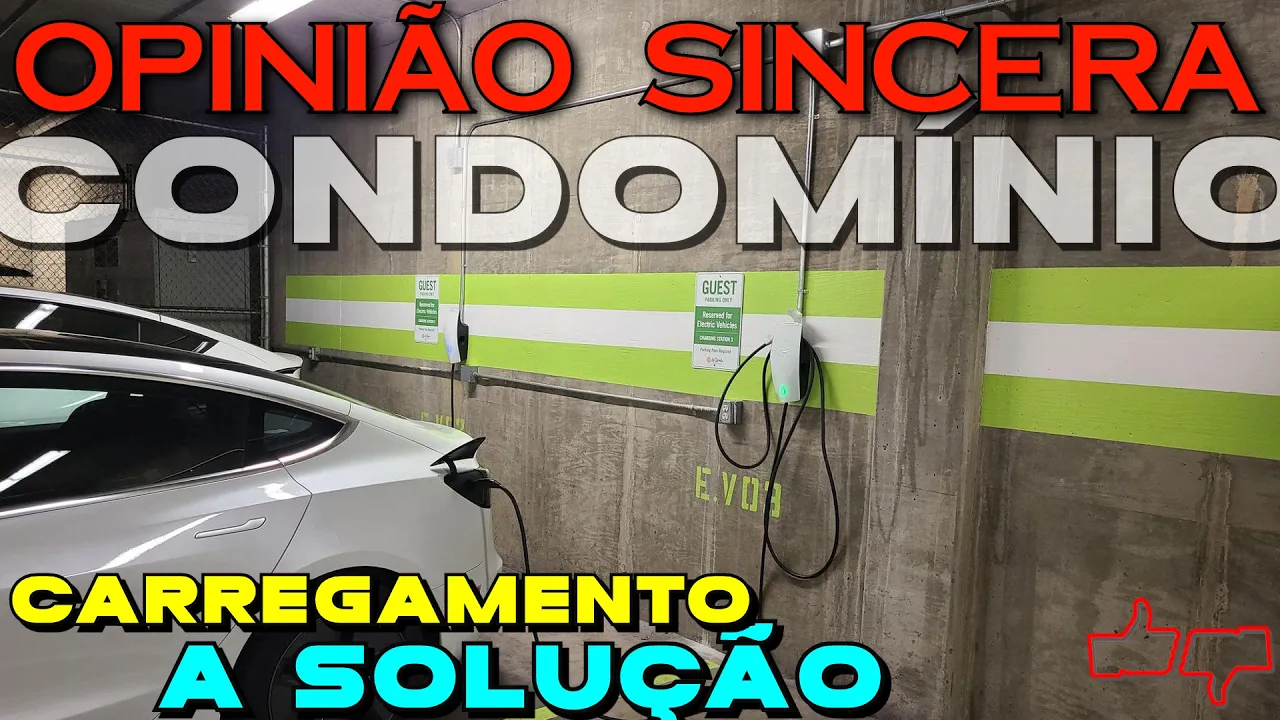
Como INSTALAR carregador CARRO ELÉTRICO em CONDOMÍNIO! Resolvendo o PROBLEMA! Dicas, técnica, guia
How to Install Electric Car Chargers in Residential Condominiums
Introduction to the Problem
- The speaker addresses viewers curious about solving electric car charging issues in their condominium, promising a step-by-step guide for installation.
- A brief recap of previous content is provided, highlighting that the condominium was built without provisions for electric chargers.
Challenges Faced
- Key challenges include infrastructure analysis, energy protection measures, and existing energy contracts; these factors complicate individual charger installations.
- The speaker introduces Rianto and Veg companies as experienced partners in addressing these challenges, emphasizing their expertise in solar panels and mobility solutions.
Current Projects and Issues
- Rianto has transitioned from solar energy to electric vehicle charging due to increasing demand; they have worked on several projects in Porto Alegre.
- Many condominiums are unprepared for the surge of electric vehicles, leading to restrictions on charger installations even within private residences.
Proposed Solutions
- The rapid arrival of electric vehicles has outpaced building designs; thus, new methodologies are needed to adapt existing infrastructures.
- The team outlines phases of work necessary for adapting buildings' electrical systems to accommodate new demands effectively.
Steps for Implementation
- Initial steps involve assessing the current load on transformers since many buildings were not designed with future EV charging needs in mind.
- Understanding transformer capacity is crucial; if a building receives direct power from the street, similar assessments must be conducted regarding external transformers.
Detailed Analysis Process
- After analyzing energy loads, a descriptive memorial document will outline findings and recommend suitable solutions moving forward.
How to Customize Electrical Installations in Condominiums
Importance of Customization
- The installation process must be tailored specifically for each condominium, as it requires unique wiring and protections based on individual needs.
- Each case must be analyzed separately, leading to a customized study that defines the specific requirements for the condominium.
Role of Memorial Descriptive
- The memorial descriptive outlines the standardization and customization needed for installations, including specifications like types of conduits and their placements.
- A critical point emphasized is the height at which chargers should be installed (1.65m), ensuring safety for children who may interact with them.
Compliance with Standards
- It is essential that all electrical work adheres to established engineering studies and standards; electricians must follow these guidelines strictly without making unauthorized modifications.
- Normative standards such as NBR 17019 and NBR 5410 govern low-voltage electrical installations, particularly those related to charging stations.
Project Execution Steps
- After defining building standards, an executive project is created detailing how installations will occur, including paths for conduits while considering existing infrastructure conflicts.
- Proper dimensioning of infrastructure is crucial; planning should account for future demand as electric vehicle ownership increases within condominiums.
Addressing Infrastructure Challenges
- Older buildings may struggle with energy capacity issues when adapting to new demands from electric vehicles; significant upgrades can be costly.
- Solutions like Smart Charging are introduced to manage energy distribution effectively among multiple chargers based on availability.
Implementation of Smart Charging Solutions
- Smart Charging technology allows control over energy allocation to chargers depending on overall building energy availability, optimizing usage during peak times.
- Local production of smart charging solutions supports national industry while providing necessary infrastructure improvements in condominiums.
Measurement Phase Initiation
Understanding Energy Management in Buildings
Importance of Analyzing Service and General Entry Loads
- The analysis of service loads and general entry is crucial for understanding energy consumption and availability within a building. This includes assessing the 200 Amp circuit that serves the building's service area.
- Initial building design must account for all apartment loads as well as service loads, such as elevators and lighting. Discrepancies between these loads can lead to inefficient energy use.
- If there is a significant difference between available energy for general use versus service, further studies may be needed to optimize energy distribution, especially if initial calculations were too tight.
- Accurate measurements are essential; using proper equipment ensures connections are made correctly to avoid overloading circuits which could lead to system failures.
- Incorrectly connecting devices can overload the network, causing circuit breakers to trip. Proper phase balancing is necessary when connecting multiple chargers to prevent issues.
Monitoring Energy Consumption
- A detailed study will assess load balancing across phases, ensuring that no single phase is overloaded while others remain underutilized.
- High voltage areas require professional handling due to safety risks; only qualified electricians should enter these zones.
- Monitoring devices installed at the main entry point will track energy usage across different phases over a week-long period.
Solar Generation Impact on Energy Use
- The building also utilizes solar power generation, which significantly affects overall energy consumption patterns.
- Charging electric vehicles during peak solar generation times maximizes efficiency since excess generated power does not return to the grid but is used directly by residents.
- Observations from solar inverter setups will provide insights into how solar contributions affect overall electricity usage in real-time scenarios.
Data Analysis Insights
- After ten days of data collection from December 23rd to January 2nd, notable trends emerged regarding energy consumption during holiday periods when occupancy fluctuated significantly.
- Increased power demand was observed around Christmas, followed by a drop in usage as residents left for vacations.
- Negative power readings indicated surplus solar generation exceeding building demand during low occupancy periods—highlighting effective utilization of renewable resources.
Economic Considerations of Solar Energy Usage
- Residents with solar installations benefit most from charging electric vehicles during daylight hours when their systems generate maximum output.
Understanding Transformer Load Management
Overview of Transformer Loading Practices
- The discussion begins with the importance of not overloading transformers, highlighting that projects typically avoid high load scenarios. A maximum consumption of 25.9 kW was measured, indicating excess capacity in the transformer.
Capacity and Charging Solutions
- The speaker addresses how many chargers can be connected to a 300 kVA transformer, suggesting that it is feasible to present an initial solution for up to 12 chargers without significant investment.
- An initial solution allows for charging at 80% capacity using 7 kW chargers, which are adequate for daily use while still leaving energy available for other needs.
Daily Charging Experience
- The speaker explains that a vehicle charged at 7 kW can fully charge from zero to 100% in approximately eight hours, making it practical for overnight charging.
- This setup provides a good user experience as residents can plug in their vehicles after returning home and have them ready by morning.
Infrastructure Considerations
- It is emphasized that the initial analysis of available energy and infrastructure description is crucial for standardization and compliance with regulations.
- A study indicates that even without smart charging systems, residents in a condominium with 48 apartments could install chargers if they choose not to invest initially in advanced technology.
Future Energy Optimization
- There’s a growing need to utilize energy more intelligently; starting with basic setups before transitioning to smart charging solutions as demand increases beyond twelve electric vehicles.
Next Steps in Implementation
- The next phase involves creating a detailed project description and engaging with condominium members who may have misconceptions about the process or technology involved.
- Collaboration with knowledgeable companies is essential for developing viable and secure projects; this partnership aims to ensure clarity among residents regarding the installation process.
Engagement and Community Building