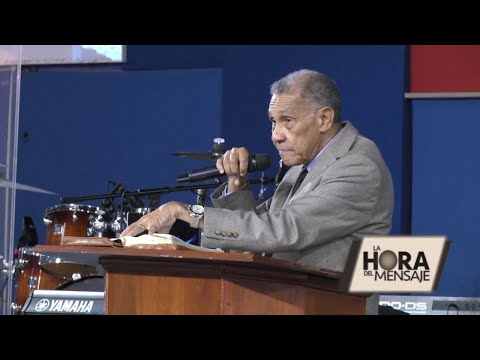
La piedra del corazon | Pastor Ezequiel Molina Rosario | Predicas Cristianas
The Stone of the Heart
Introduction to the Theme
- The speaker references John 11:38-40, emphasizing Jesus' command to remove the stone from Lazarus' tomb, symbolizing barriers in our lives.
- The theme is introduced as "the stone of the heart," which represents obstacles preventing individuals from approaching God and experiencing His grace.
Understanding Obstacles
- The speaker discusses how certain stones in our hearts hinder us from enjoying God's blessings such as joy and peace.
- Emphasizes that God desires to remove these stones but requires individual awareness and cooperation for true freedom.
Human Independence and Responsibility
- Highlights human independence; we are not puppets but capable of making choices that affect our lives positively or negatively.
- Stresses that personal calamities often stem from one's own decisions rather than external blame, urging self-reflection on life choices.
Definition and Symbolism of Stones
- Explains that "stone" can symbolize strength, hardness, or obstacles in various contexts—physical, emotional, or spiritual.
- Discusses how stones represent firmness and immovability in people’s character traits or situations they face.
Spiritual Implications of Stones
- Identifies spiritual stones as obstacles hindering a closer relationship with God; these could be weaknesses or distractions like unhealthy relationships.
- Concludes by noting that emotional attachments can also serve as stones, complicating one’s commitment to faith.
Understanding the Symbolism of Stones in Life
The Concept of "Stones" in Personal and Professional Life
- The metaphor of stones represents emotional and professional obstacles that hinder progress. Individuals may have personal "stones" related to love or career challenges, such as difficulties with math for engineering graduates.
- Obstacles are categorized into sentimental stones (emotional burdens) and professional stones (career-related challenges). These can significantly impede one's advancement in life.
Biblical References to Stones
- In Psalm 91:12, the metaphorical use of stones illustrates divine guidance; God promises protection from life's difficulties, ensuring believers do not stumble over their challenges.
- The passage emphasizes that those who dwell under God's protection will receive help from angels to navigate through life's obstacles without falling. This is a spiritual assurance rather than a physical promise.
Transformation Through Divine Intervention
- Ezekiel 11:19-20 discusses the need for a spiritual transformation where God replaces a heart of stone with a heart of flesh, enabling individuals to follow His commandments and be part of His people. A hardened heart prevents one from fulfilling God's will.
- A petrified heart symbolizes insensitivity towards God’s presence, making it essential for believers to seek renewal for genuine communion with Him. This transformation allows them to align with divine ordinances and receive blessings.
Conditions for Receiving Blessings
- The speaker highlights that God's inability to bless individuals stems from their unworthiness due to their actions; they must meet specific conditions set by God to be eligible for blessings. Simply wanting blessings is insufficient if one does not adhere to divine principles.
- There is an emphasis on the necessity of having a sensitive heart capable of empathy and compassion, contrasting with societal trends where many exhibit insensitivity even towards loved ones, indicating a widespread need for spiritual renewal.
Christ as the Cornerstone
- In 1 Peter 2:4-8, Jesus is referred to as the living stone rejected by men but chosen by God; believers are also described as living stones being built into a spiritual house, emphasizing community and purpose within faith. Those who believe in Him will not be put to shame despite rejection by others.
- The text warns that disobedience leads individuals to stumble over this cornerstone—Jesus—highlighting the importance of faithfulness in receiving God's grace and avoiding pitfalls associated with disbelief.
The Role of Christ as the Cornerstone
Christ as a Living Stone
- The speaker describes Jesus Christ as the "living stone" and "cornerstone," emphasizing that He is the model for those aspiring to eternal life.
- For many, Christ serves as a stumbling block; His teachings challenge individuals who wish to live without moral constraints.
The Mirror of Truth
- The analogy of a mirror is used to illustrate how people avoid confronting their flaws; they resist truths about sin, such as adultery and dishonesty.
- When confronted with biblical truths, individuals may feel offended because it exposes their wrongdoings.
Understanding Freedom Through Truth
- The speaker asserts that knowing the truth is essential for freedom; one must accept and apply this truth in life to achieve liberation.
- Education is framed not just as knowledge but also involves embracing and living by biblical principles.
Death: A Universal Experience
- The discussion shifts to death, highlighting its inevitability for everyone; each person's death is unique despite being a common occurrence.
Lazarus' Resurrection: A Lesson in Faith
- Jesus arrives four days after Lazarus has died, illustrating His power over death and providing an opportunity for profound dialogue with Martha, Lazarus's sister.
- Martha expresses her belief that if Jesus had been present earlier, her brother would not have died, indicating her faith in His abilities.
Assurance in God's Power
- Despite Lazarus's death, Martha reassures Jesus that she believes God will grant Him whatever He asks. This reflects deep faith even amidst despair.
- The speaker emphasizes that having Christ in one's life brings peace and stability within families and relationships.
Understanding the Resurrection of Lazarus
The Context of Suffering and Faith
- Jesus reassures Martha that her brother will rise again, but she interprets this as a distant future event rather than an immediate promise.
- Martha's grief is compounded by cultural expectations; in Jewish society, her brother Lazarus was crucial for her well-being and status.
- The death of Lazarus leaves Martha feeling helpless, emphasizing the societal pressures on women during that time who relied on male family members.
- Jesus' message often gets lost in translation; when He offers hope, it can be overshadowed by overwhelming personal grief.
- Listeners are encouraged to compare their problems with God's greatness; if God is greater than the problem, they should find peace.
The Nature of Belief
- Martha acknowledges her faith in Jesus as the Messiah but struggles to grasp His power over life and death in the present moment.
- There’s a disconnect between what Jesus says about resurrection and what Martha understands; she focuses on future events instead of current possibilities.
- Jesus emphasizes His identity as "the resurrection and the life," challenging Martha to recognize His divine authority beyond mere belief.
- Despite acknowledging Jesus’ role as Savior, Martha still doubts His ability to resurrect Lazarus immediately from death.
- This reflects a common human tendency to cling to preconceived notions even when faced with divine truths.
Overcoming Doubts
- People often deflect spiritual truths due to personal fears or misconceptions about sin and redemption; they may focus on their perceived righteousness instead of accepting grace.
- The narrative illustrates how doubt can cloud understanding; even witnessing miracles does not guarantee faith without openness to God's power.
- Paul’s teachings highlight that true faith relies on recognizing God’s omnipotence rather than being overwhelmed by earthly troubles.
- Those who trust in God maintain victory regardless of circumstances because they see beyond immediate challenges into eternal promises.
The Command to Act
- As Jesus approaches Lazarus' tomb, He instructs Martha to remove the stone covering it, symbolizing action required alongside faith.
- Despite previous assurances from Jesus, Martha hesitates due to concerns about decay after four days—illustrating human skepticism towards miraculous possibilities.
- This moment underscores a struggle between faith and fear; while she believes in resurrection, she grapples with practical realities surrounding death.
The Spiritual Significance of Removing the Stone
The Call to Remove the Stone
- Jesus tells Martha, "I am the resurrection and the life," emphasizing that removing the stone from Lazarus's tomb is crucial for witnessing God's glory.
- The physical act of removing the stone symbolizes a deeper spiritual need; it represents overcoming doubts in Martha's heart that prevent her from seeing God's glory.
Understanding Spiritual Barriers
- Jesus insists on Martha removing not just the physical stone but also addressing her spiritual barriers to truly witness God's power.
- Christ often isolates individuals needing healing from distractions, highlighting how curiosity can hinder spiritual intervention.
Authority and Action
- Believers are encouraged to take authority in Jesus' name when confronting spiritual challenges, as demonstrated by His command to Martha.
- Jesus reassures that faith leads to witnessing God’s glory, urging believers to act upon their faith rather than remain passive.
Faith and Obedience
- The importance of aligning actions with beliefs is stressed; true belief in Jesus requires living according to His teachings.
- The discussion touches on misconceptions about suffering, illustrating that not all afflictions stem from personal sin but can serve a greater purpose for divine glory.
Personal Responsibility in Faith
- Individuals must recognize their role in seeking help; reliance on others without personal effort may lead to stagnation in resolving issues.
- People often misuse assistance given by others instead of making constructive choices, which perpetuates their struggles.
Taking Steps Towards Change
- God desires cooperation from individuals; they must take initiative (like Martha removing the stone), demonstrating faith through action.
- Belief is defined as active obedience—living out one's faith consistently rather than merely professing it verbally.
Family Dynamics and Seeking Help
- Families facing crises often neglect seeking divine help due to busy lives or misplaced priorities, leading them further into turmoil.
- A call for self-reflection: why do people delay approaching God despite urgent needs? This highlights a common struggle between worldly distractions and spiritual obligations.
Conclusion: The Path Forward
- Emphasizing individual responsibility, believers are reminded that while God is ready to assist, they must first make an effort towards Him.
The Importance of Family and Personal Reflection
The Role of Faith and Community in Healing
- Jesus had the power to resurrect Lazarus from afar, but chose not to, emphasizing the need for witnesses to God's glory.
- Families must actively participate in their children's salvation; good education is crucial for nurturing moral values.
- Many individuals who exhibit bad behavior were raised by mothers or caregivers who influenced their upbringing, highlighting societal responsibility.
Societal Issues and Personal Accountability
- Current societal issues stem from a culture that promotes materialism over spiritual values, leading to a generation focused on possessions rather than love or empathy.
- For Christ's blessings to manifest in our lives, we must remove emotional barriers—symbolized as stones—that hinder our connection with God.
Self-Examination and Spiritual Growth
- Individuals are encouraged to introspectively identify what prevents them from experiencing God's glory; this requires personal analysis of one's heart.
- Recognizing internal obstacles is essential for spiritual freedom; these may include pride, hatred, or unresolved conflicts that block divine blessings.
Understanding God's Glory
- Experiencing God's glory involves receiving grace and feeling liberated from guilt; it manifests through answered prayers and restored relationships.
- Acknowledging the benefits received from God fosters gratitude and awareness of His presence in our lives.
Overcoming Emotional Barriers
- To witness God's glory, one must confront personal struggles—often likened to stones blocking happiness—and seek help when necessary.
- Identifying these emotional "stones" is the first step toward healing; humility and seeking assistance are vital for overcoming deep-seated issues.