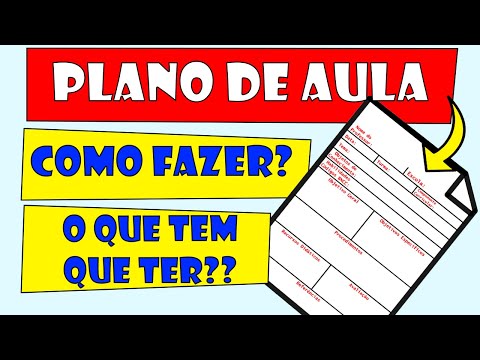
Aprenda como fazer um PLANO DE AULA de acordo com a BNCC (2026) - infantil, fundamental e médio
How to Create an Effective Lesson Plan
Introduction to Lesson Planning
- The speaker, Paulo, acknowledges that preparing lesson plans can be tedious and time-consuming for teachers.
- He reassures viewers that creating a lesson plan is not as difficult as it seems and promises to provide a simple structure aligned with the BNCC (Base Nacional Comum Curricular).
- Paulo emphasizes that viewers are likely familiar with the importance of lesson plans and are eager to learn how to create one effectively.
Essential Components of a Lesson Plan
- There are various models and structures for lesson plans; it's advisable to consult school coordinators for specific formats required.
- Mandatory header information includes the teacher's name, school name, date, class, and curricular component.
- Three essential topics must be included:
- Theme (central topic of the lesson)
- Objects of knowledge (content intended for teaching)
- Skills according to BNCC codes.
Tips for Simplifying Lesson Planning
- For those who find planning challenging, there are paid alternatives available that offer ready-made annual lesson plans at an affordable price (around R$57).
- These resources cover all educational phases from early childhood education through elementary school but do not include high school content.
Structuring Objectives in Your Lesson Plan
- Important sections include general objectives, specific objectives, and procedures. General objectives outline the macro goal while specific objectives detail micro goals.
- It's recommended to start both general and specific objectives with infinitive verbs like "understand," "identify," or "develop."
Finalizing Your Lesson Plan
- Procedures should outline the steps of the lesson; for example, starting with a film followed by reading activities and concluding with task resolutions.
- The last three components include:
- Didactic resources: List all materials used during lessons (e.g., blackboard, textbooks).
- Evaluation methods: Describe how student performance will be assessed.
- Bibliographic references: Cite all materials used in developing the lesson plan.
Additional Resources
- As a bonus tip, Paulo suggests using Canva where pre-made lesson plan templates can be edited freely. These templates are free and can significantly ease the planning process.