David Logan: Tribal leadership
How to Create World-Shattering Innovations
The speaker introduces the topic of creating groundbreaking innovations and shares a story about a significant date.
The Significance of February 3rd, 2008
- On February 3rd, 2008, the Super Bowl took place.
- During various Super Bowl parties, it was observed that people discussed not only trivial matters like commercials and food but also which candidate they were going to support.
Tribes and their Influence
- Tribes are groups of about 20 to 150 people where work is done and societies are built.
- A funnel effect occurred in tribes across the United States regarding the Democratic nomination for Hilary Clinton.
- The speaker's team surveyed representatives from tribal councils (Super Bowl parties) and sent an email predicting Obama's victory before Super Tuesday.
Understanding Tribes and Culture
The speaker explains the concept of tribes and how they come together, emphasizing the importance of culture within tribes.
Formation of Tribes
- People naturally form tribes as fish swim or birds fly.
- Tribes appear as individual crowds coming together from a distance but consist of smaller groups with shared interests.
Importance of Culture in Tribes
- Not all tribes are the same; culture makes a difference.
- Members should aim to nudge their tribes forward through different stages towards achieving top performance.
Tribal Stages and Cultures
The speaker discusses different tribal stages and cultures, starting with Stage One - a negative stage - and moving towards positive stages.
Stage One - Negative Culture
- Stage One produces individuals who engage in harmful actions.
- It involves severing relationships from functional tribes and aligning with like-minded individuals.
- Stage One represents the culture of gangs and prisons.
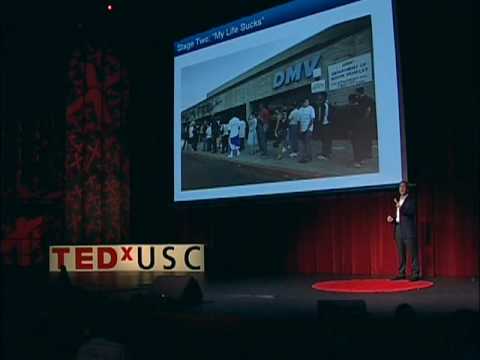
Stage Two - Dissatisfaction
- In a Stage Two culture, people perceive life as negative, leading to despairing hostility and survival-focused behavior.
- The speaker humorously mentions his upcoming visit to a Department of Motor Vehicles (DMV) as an example of a Stage Two tribe.
Shifting Towards Positive Tribal Cultures
The speaker emphasizes the importance of shifting from negative tribal cultures towards positive ones for personal and societal growth.
Importance of Culture in Behavior
- People's behavior is influenced by how they perceive the world.
- Shifting towards positive tribal cultures can lead to improved behaviors and outcomes.
Nudging Tribes Forward
- Members should find ways to nudge their tribes forward through different stages, starting from Stage One towards higher stages.
- The speaker introduces Stage One as the lowest stage and highlights the need to learn from it.
Timestamps are approximate and may vary slightly.
Describing the Stages of Tribes
In this section, the speaker discusses the different stages of tribes and how they impact our interactions and behaviors.
Stage Three: "I'm great. And you're not."
- Many people reach Stage Three where they believe they are great and others are not.
- This stage often involves competition and a sense of superiority.
- Anecdote about doctors in an elevator exemplifies Stage Three behavior.
Moving from Stage Three to Stage Four
- Transitioning from Stage Three to Stage Four is a challenge in innovation.
- A video snippet from Zappos showcases their unique values and culture.
- Zappos values fun, creativity, and being a little bit weird.
The Power of Stage Four Tribes
- When individuals find something that unites them beyond their individual competence, a group can transform into a tribe.
- Stage Four tribes can achieve remarkable things by working together towards a common goal.
Life is Great: The Power of Values
This section explores the concept of life being great when individuals come together based on shared values.
The Truth and Reconciliation Process in South Africa
- Desmond Tutu's Nobel Prize-winning work during the Truth and Reconciliation process in South Africa is highlighted.
- Despite terrible atrocities, people focused on truth and reconciliation as their guiding values.
- The process brought diverse tribes together for historic accomplishments.
Counter-intuitive Findings
- Contrary to expectations, there are three counter-intuitive findings related to the stages of tribes:
- The Declaration of Independence primarily reflects Stage Two thinking rather than Stage Five ("Life is Great").
- Life at Zappos may not align with everyone's values but demonstrates the power of shared values within a tribe.
- Transitioning from "I'm great" (Stage Three) to "We're great" (Stage Four) is a significant step.
Conclusion
The conclusion summarizes the main points discussed in the transcript.
- The stages of tribes impact our interactions and behaviors.
- Transitioning from Stage Three to Stage Four is crucial for innovation and collaboration.
- Stage Four tribes can achieve remarkable things by working together towards a common goal.
- Life being great is associated with shared values and the ability to unite diverse tribes.
- Counter-intuitive findings challenge preconceived notions about the stages of tribes.
New Section
This section discusses the different stages of tribes and the importance of leaders being able to communicate at all levels.
Leaders Need to Communicate at All Levels
- Most people are not at Stage Five, where they have a vision for change.
- Only 2% of tribes reach Stage One, while about 25% are at Stage Two and 48% are at Stage Three.
- Leaders need to be able to talk to all levels of tribes in order to connect with every person in society.
- Tribes can only hear one level above and below where they currently are, so leaders must be able to adapt their communication accordingly.
Nudging People Forward
- Leaders should nudge people within their tribes to the next level.
- Example: Frank Jordan, former Mayor of San Francisco, started at Stage One but was transformed by joining a Boys and Girls Club.
- Moving from Stage One to Stage Two involves getting people into a new tribe and helping them get connected.
- Moving from Stage Three to Stage Four involves uniting around shared values.
Connecting Tribes for Greater Impact
- TED represents a set of values that can unite people at Stage Four.
- By connecting individuals who don't know each other, we create triadic relationships that extend the reach and influence of our tribes.
- Building world-changing tribes involves connecting people not just to ourselves but also to something greater than themselves.
Going Beyond Polling
- The Gallup Organization wanted to change the world beyond just polling specific regions or demographics.
- They conducted the first-ever world poll by involving Nobel laureates in economics and finding ways to survey diverse populations with limited access to technology or language barriers.
Making an Impact with Your Tribes
- We all form tribes, and it's important to consider the impact our tribes are making.
- By listening to how people communicate within our tribes and nudging them forward, we can create positive change.
Turn any video into a summary like this
YouTube links, meetings, lectures. With transcripts, search, and chat.