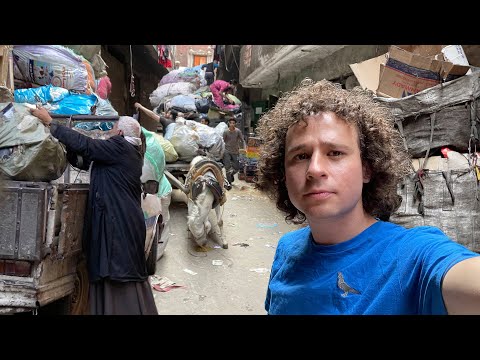
LA CIUDAD DE LA BASURA: vidas entre desperdicios | Egipto 🗑🇪🇬
What is Garbage City?
Introduction to Garbage City
- The narrator introduces the concept of recycling in Zabalín, also known as Garbage City, where residents transform trash into aluminum blocks.
- Located in Cairo, Egypt, this neighborhood has thrived for over 70 years by recycling waste and reselling it to factories.
Historical Context
- Cairo is one of Africa's largest cities with over 20 million residents. Due to inefficient garbage collection systems, large garbage mountains formed.
- Residents known as Zabalim recognized the potential for profit in waste management and began separating materials for resale.
Life in Garbage City
Community and Population
- Over 70,000 people live in this area today, which has evolved from a garbage dump to a small city within Cairo.
- Many believe that the recycling system here outperforms those of various governments worldwide.
Cultural Aspects
- The community predominantly consists of Christians who utilize pigs for organic waste disposal—a practice not permitted among Muslims.
- The entrance to Garbage City showcases a bustling environment with trucks transporting waste and various businesses established by residents.
Recycling Practices
Waste Separation Process
- The narrator notes the strong aroma present due to the surrounding garbage while observing plastic separation activities.
- This community plays a significant role in addressing global waste issues through effective recycling practices that provide livelihoods.
Role of Animals
- Pigs are used for consuming organic waste; their meat is later sold to restaurants catering to tourists since Muslims do not consume pork.
- Goats assist in separating food from waste but primarily serve as additional support rather than main contributors like pigs.
Economic Dynamics
Work Distribution
- Trucks are weighed at scales upon arrival; this helps determine how much recyclable material they bring after being emptied first.
Exploring the Garbage Business and Its Unique Ecosystem
The Role of Garbage in Economic Opportunity
- Individuals with limited resources engage in garbage collection, utilizing donkeys for transportation, highlighting a unique business model that thrives on waste.
- Street vendors, like a man selling noodles amidst garbage separation efforts, illustrate the coexistence of various economic activities within this environment.
- Samir, a local involved in both theater and pig farming, demonstrates how organic waste is repurposed as animal feed, showcasing an innovative cycle of resource utilization.
The Cycle of Waste Management
- Pigs are fed restaurant leftovers and other organic waste, which emphasizes the interconnectedness of food production and waste management.
- Samir takes pride in personally slaughtering pigs for sale to restaurants catering to tourists and Christians who consume pork, reflecting cultural nuances in food consumption.
- A mechanism used for loading materials onto trucks utilizes rooftop spaces for storage efficiency, indicating creative solutions to space constraints.
Efficiency Amidst Challenges
- The operational efficiency observed in the garbage business highlights resourcefulness among individuals who rely on maximizing their existing assets rather than seeking new ones.
- Plastic bags undergo a thorough cleaning process before being crushed and recycled; this step illustrates the meticulous nature of recycling operations within this ecosystem.
Recycling Processes and Their Impact
- Soda cans are melted down into aluminum blocks for resale to manufacturers, demonstrating effective recycling practices that contribute to economic sustainability.
- The collective effort seen here not only generates income but also provides multiple uses for waste products—an essential aspect of urban survival strategies.
Societal Implications and Safety Concerns
- Without individual initiatives driven by economic necessity, municipal authorities would likely neglect waste management responsibilities; this has led to the establishment of "Garbage City."
Garbage City: A Unique Perspective on Waste Management
Health Risks in Garbage Sorting
- The environment in garbage sorting poses significant health risks, including exposure to harmful gases and potential accidents due to unregulated conditions.
- Workers face daily challenges from strong odors and toxic fumes, which can lead to long-term health issues for those involved in this line of work.
- The garbage business is heavily reliant on volume; profitability hinges on handling large quantities rather than smaller amounts.
Plastic Recycling Process
- The recycling process begins with crushing plastic waste, followed by boiling it to clean and prepare it for melting into reusable materials.
- After melting, the plastic forms a black mass that cools down and solidifies before being cut into small pieces for further use.
- While the recycling process is impressive, there are concerns regarding the working conditions faced by factory workers involved in these operations.
Community Insights and Cultural Reflections
- The community within Garbage City is characterized by warmth and friendliness, with locals eager to engage with visitors and practice their English skills.
- The phrase "One man's trash is another man's treasure" encapsulates the essence of life in Garbage City, highlighting how waste can be transformed into valuable resources.