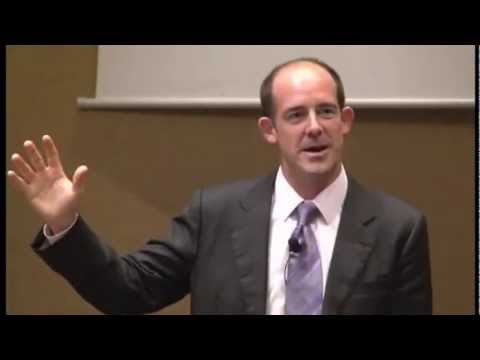
How to Start a Speech
Introduction and Starting a Speech
This section discusses the importance of the first and last words in a speech and provides insights on how to effectively start a speech.
The First Words of a Speech
- The first words of a speech are crucial for capturing the audience's attention.
- Starting with personal information, such as name and background, can be ineffective as it signals that it's time for the audience to disengage.
- Instead, starting with a question that matters to the audience or a factoid that shocks them can be more engaging.
Effective Ways to Start a Speech
- Starting with a question that matters to the audience:
- Phrase a problem that the audience faces in the form of a question.
- This approach immediately engages the audience by addressing their concerns.
- Starting with a factoid that shocks:
- Share an intriguing or surprising fact that captures the audience's attention.
- This approach creates curiosity and encourages further listening.
- Starting with storytelling:
- Begin your speech like you would start telling a story to a child.
- Saying "once upon a time" triggers engagement and anticipation from the listeners.
Engaging People in Networking
This section focuses on effective strategies for engaging people during networking events.
Engaging Strategies for Networking
- When approaching people at networking events, mentioning common connections can be an effective icebreaker.
- Researching beforehand using platforms like LinkedIn helps identify mutual connections.
- By showing genuine interest in others' work or experiences, you can create meaningful conversations and build connections.
Using Shocking Facts in Speeches
This section emphasizes the impact of using shocking facts in speeches and provides examples.
The Power of Shocking Facts
- Sharing shocking facts during a speech can capture the audience's attention and make them reconsider their perspectives.
- Examples of shocking facts include the number of people alive today compared to those who have ever died and the immense energy from the sun reaching Earth.
The Importance of Storytelling in Speeches
This section highlights the significance of storytelling in speeches and its impact on audience engagement.
The Role of Storytelling
- Starting a speech with storytelling, similar to how one would tell a story to a child, is an effective way to engage listeners.
- Saying "once upon a time" triggers anticipation and captures attention.
- Storytelling helps create connections between the speaker and the audience, making the speech more relatable and memorable.
Timestamps are provided for each section based on available information.
Speaking and Storytelling
In this section, the speaker discusses the importance of storytelling in speaking and sales. They emphasize the need to connect with the audience through personal stories and highlight that stories are about people, not objects.
The Power of Personal Stories
- The way people talk and start their stories at networking events is different.
- As adults, we tell stories differently.
- A conversation with a public speaking expert had a profound impact on the speaker's perspective.
- The expert said something that changed how the speaker thinks about what's important in speaking.
- This statement has been on the speaker's mind ever since.
Connecting Through Personal Stories
- The importance of connecting with the audience through personal stories.
- Taking pauses during speeches to engage the audience.
- Assuming self-interest in speaking and sales.
- Sharing personal experiences that connect to why a topic is important to you.
- Exploring how joining a company or witnessing someone benefit can be impactful.
- Reflecting on what quality of life means for oneself and one's business.
Stories About People
- How stories about people can help establish connections with the audience.
- Stories should focus on individuals rather than objects or things.
- Using examples like Tango software to illustrate storytelling about people behind products or services.
- Highlighting what people do, their values, and sacrifices made in personal and professional lives.
Audience Engagement
- Encouraging the audience to connect with personal stories.
- When the audience connects with stories, they become more interested in what the speaker has to say.
- The importance of focusing on benefits and reasons rather than relying solely on documents and PowerPoint presentations.
Timestamps are approximate and may vary slightly.