El SISTEMA NERVIOSO CENTRAL explicado: partes y funcionamiento🧠
Understanding the Central Nervous System
Overview of the Central Nervous System
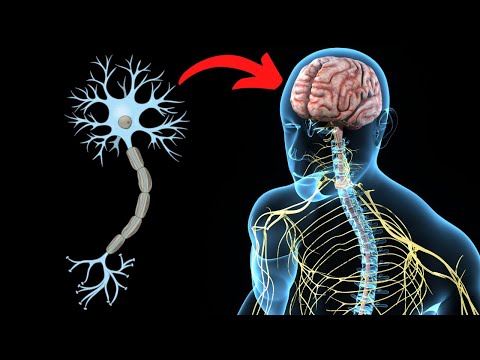
- The central nervous system (CNS) comprises the brain and spinal cord, playing a crucial role in controlling skeletal muscle movement and cognitive functions.
- It establishes relationships between organs, integrating their functions by processing sensory information and generating appropriate responses.
Structure of the Nervous System
- The CNS is protected by bones; the brain resides in the cranial cavity while the spinal cord is located within the spinal canal.
- The CNS enables learning, memory, and behavioral modification based on experiences, enhancing survival capabilities.
Functions of the Central Nervous System
- As a communication center, it processes sensory data and sends messages throughout the body.
- Key functions include regulating visceral organ activity (e.g., heart, intestines), supporting higher cognitive functions like consciousness and emotions.
Components of the Brain
- The brain facilitates higher mental functions that distinguish humans from other animals. It communicates with organs via ascending sensory fibers to relay information to itself.
- The brain consists of gray matter (outer layer) and white matter (inner layer), weighing between 1.3 to 1.5 kilograms in adults.
Parts of the Brain
- Divided into three main parts: cerebrum, cerebellum, and brainstem; each has distinct roles in bodily function regulation.
- The cerebrum is divided into right and left hemispheres connected by a structure called the corpus callosum; each hemisphere controls opposite sides of motor activity.
Higher Functions & Regulation
- Each hemisphere contains five lobes responsible for various cognitive tasks such as speech and emotional processing.
- The cerebellum manages balance and movement coordination while the brainstem regulates vital life functions like respiration.
Spinal Cord Functionality
Overview of the Central Nervous System and Its Diseases
Structure of the Central Nervous System
- The central nervous system (CNS) consists of nerve fibers forming white matter and neuronal bodies making up gray matter.
- Unlike the brain, the spinal cord has a unique structure where gray matter is centrally located, resembling an "X" shape surrounded by white matter.
- The CNS is protected by meninges, which are membranes that also cover the brain, and it is bathed in cerebrospinal fluid contained within the spinal column.
- The spinal column comprises 30 vertebrae stacked together.
Diseases Affecting the Central Nervous System
- Various diseases can affect the CNS, ranging from mental illnesses to cerebrovascular accidents (strokes).
Mental Illnesses
Schizophrenia
- Schizophrenia is a complex mental disorder characterized by difficulties in distinguishing reality from imagination.
- It typically begins during adolescence and can be treated with antipsychotic medications that improve symptoms like behavioral disorders and hallucinations.
Depression
- Depression is a prevalent mood disorder recognized as one of the leading global causes of disability according to WHO.
- It manifests as persistent sadness and lack of interest, triggered by various life events or biological factors unique to individuals.
Epilepsy
- Epilepsy is another significant brain disorder marked by seizures due to abnormal neuron activity.
Causes of Seizures
- Seizures occur when brain tissue becomes overly excitable; they may result from injuries or underlying conditions such as dementia or congenital anomalies.