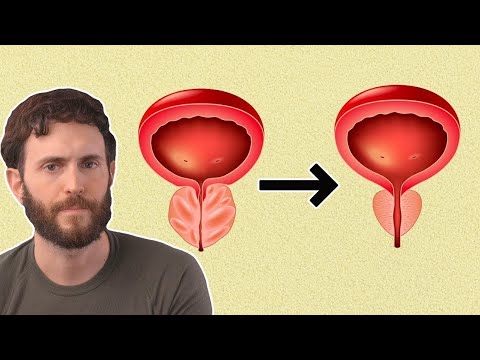
Cómo Reducir Tu Próstata
Understanding Prostate Health and Growth
Common Issues with Prostate as Men Age
- Prostate problems are prevalent among aging men, with up to 90% of men aged 90 experiencing prostate enlargement.
- The video discusses dietary and supplemental strategies to prevent prostate growth and alleviate symptoms associated with an enlarged prostate.
Anatomy and Function of the Prostate
- The prostate is a male gland located below the bladder, surrounding the urethra; its growth can lead to urinary issues due to compression of the bladder.
- Symptoms of an enlarged prostate include urgency to urinate, frequent urination without complete bladder emptying, nocturia (waking at night to urinate), and slow urine flow.
Impact on Sexual Function
- Enlargement of the prostate affects sexual function, leading to difficulties in maintaining erections and ejaculation issues.
- Hormonal imbalances are primarily responsible for excessive tissue growth in the prostate, particularly involving anabolic hormones that promote tissue development.
Hormonal Influences on Prostate Growth
- An imbalance between catabolic (destructive) and anabolic (constructive) hormones contributes to prostate enlargement; this includes testosterone levels relative to estrogen levels in men.
- Elevated estrogen levels or low testosterone can increase the likelihood of developing an enlarged prostate; other hormones like prolactin also play a role.
Dietary Factors Affecting Hormones
- Insulin is another anabolic hormone linked to prostate growth; foods that elevate insulin levels may contribute negatively. Examples include refined carbohydrates which can lead to weight gain and increased body fat affecting hormonal balance.
- Dairy products have been specifically linked to increased hormonal activity that may promote prostate enlargement; however, they are not the only dietary factors involved. Foods high in glycemic index should be avoided for long-term health benefits related to prostatitis symptoms.
Role of Inflammation in Prostate Health
- Increased inflammation within any organ or tissue leads to more pronounced symptoms; thus, managing inflammation is crucial for reducing both sexual and urinary symptoms associated with an enlarged prostate.
Hormonal Imbalance and Prostate Health
Dietary Recommendations to Avoid Hormonal Disruption
- Avoid refined cereals and high glycemic index foods, as they spike insulin levels, contribute to weight gain, and can exacerbate prostate growth. Additionally, these foods may increase estrogen levels.
- Steer clear of non-fermented soy products, processed foods packaged in plastic, and non-organic items due to their potential hormonal disruption effects. Dairy products should also be minimized when possible for similar reasons.
Foods Beneficial for Hormonal Balance
- A low glycemic diet rich in cruciferous vegetables like broccoli, cauliflower, and Brussels sprouts is recommended; these contain indole-3-carbinol which helps regulate estrogen levels.
- Lycopene is highlighted as a beneficial compound that can reduce prostate size; it is found in red-orange plant-based foods such as tomatoes and carrots. Historical data suggests that high lycopene consumption correlates with longevity in men.
The Role of Supplements in Hormonal Rebalancing
- While dietary changes are crucial for managing symptoms related to prostate health, supplements may not be effective if harmful foods are still consumed regularly. Blocking hormones that promote prostate growth is essential.
- Notable herbal supplements include nettle (blocks aromatase) and maca (supports testosterone without direct increase), both of which help maintain hormonal balance by preventing testosterone conversion into estrogen or DHT (dihydrotestosterone).
Understanding DHT's Impact on Prostate Health
- DHT blockers like saw palmetto and African plum have dual benefits: they help manage testosterone levels while also addressing hair loss associated with male pattern baldness alongside reducing prostate enlargement symptoms.
- Research indicates that while DHT blockers can alleviate symptoms for those with prostate issues, the hormone itself does not directly cause prostate growth; rather, the relationship between various hormones is complex and requires further study.
Age-related Prostate Growth Insights
- It’s noted that approximately 90% of men over 90 years old experience enlarged prostates; this percentage increases with age but varies significantly at younger ages (e.g., lower rates at 50). Testosterone and DHT levels typically decline with age but do not automatically correlate with increased prostate size or issues.
Prostate Health Supplements
Key Supplements for Prostate Growth
- The discussion highlights supplements that are closely related to blocking dihydrotestosterone (DHT), which is significant for prostate health.
- African plum extract and saw palmetto are mentioned as effective supplements that can be combined for enhanced effects on maintaining a healthy prostate.
- The importance of these supplements is emphasized in the context of preventing prostate growth issues, suggesting a proactive approach to men's health.
- Combining these supplements may lead to better outcomes, indicating a holistic approach to managing prostate health.