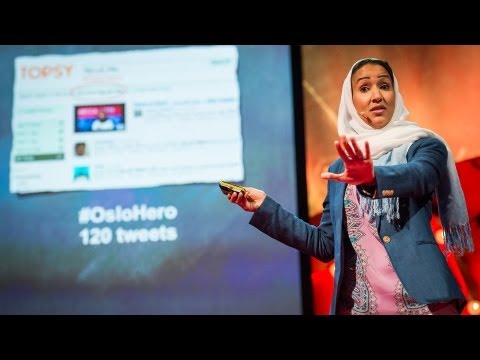
A Saudi woman who dared to drive | Manal al-Sharif
The Struggle for Freedom: A Personal Journey
Introduction to the Fight for Rights
- The speaker poses a question about the nature of battles for freedom, contrasting oppressive governments and societies. This sets the stage for a personal narrative on societal challenges faced by women in Saudi Arabia.
A Son's Question and Its Impact
- The speaker recounts a poignant moment with her son, Aboody, who asks if they are "bad people" after being bullied at school due to his mother's activism. This highlights the societal repercussions of challenging norms.
Personal Experience with Oppression
- As a Saudi woman jailed for driving, the speaker reflects on her family's struggles, including her brother's harassment and her father's public humiliation during sermons condemning women drivers. This illustrates the deep-rooted cultural stigma against women's autonomy.
The Catalyst for Change
- In May 2011, after realizing there was no law prohibiting women from driving—only customs—the speaker initiated a campaign encouraging women to drive on June 17. This marked a significant turning point in advocating for women's rights in Saudi Arabia.
Facing Consequences of Activism
- Following her participation in the driving campaign, she faced threats and arrest but remained steadfast in her beliefs about innocence and justice. Her experience underscores the risks activists face when challenging oppressive systems.
Breaking Taboos: The Day Women Drove
Public Reaction and Support
- After being released from jail, public sentiment was mixed; some supported her while others condemned her actions. On June 17, many brave women defied restrictions by driving despite heavy police presence, marking a historic moment of resistance against societal norms.
Misconceptions About Driving Laws
- An official study presented to Saudi authorities claimed that countries where women drive have higher rates of social issues like rape and drug abuse—a claim met with disbelief by activists who mocked it online as part of their campaign against oppression.
Empowerment Through Mockery
- The speaker emphasizes how mocking oppressive narratives can empower individuals by stripping away fear—an essential tactic in their fight against ultra-conservative traditions that treat women as minors needing guardianship throughout their lives.
This structured summary captures key moments from the transcript while providing timestamps for easy reference back to specific parts of the talk.
Understanding Dual Perceptions of Identity
The Dichotomy of Public and Private Perception
- The speaker discusses the contrasting perceptions of her identity, being viewed as a villain in her home country while celebrated as a hero internationally.
- She highlights the media portrayal during her imprisonment, which focused on charges against her rather than the support she received abroad.
Reactions to Advocacy
- After delivering a speech at the Oslo Freedom Forum, she faced backlash in Saudi Arabia, labeled as a traitor by many for expressing her views on women's rights.
- A significant social media response included hashtags like #OsloTraitor and #OsloHero, illustrating the polarized opinions about her activism.
Commitment to Change
- Despite facing criticism, she emphasizes that her love for Saudi Arabia drives her advocacy for women's freedom, asserting that societal freedom is tied to women's liberation.
- Upon release from jail, she chose to engage respectfully with critics and took action by filing lawsuits against authorities who denied women driving licenses.
Progress in Women's Rights
- The Shura Council's recent inclusion of women marks a small but significant step towards enhancing women's rights in Saudi Arabia. 20% of its members are now women.
- Following years of petitions and protests, the council finally accepted a petition allowing women to drive after previously rejecting it multiple times.
Empowerment Through Action
- The speaker reflects on how change will only occur when women actively pursue their rights instead of waiting passively for permission or change from authorities. She expresses pride in being part of this movement toward lifting restrictions on women’s freedoms.
Turn any video into a summary like this
YouTube links, meetings, lectures. With transcripts, search, and chat.