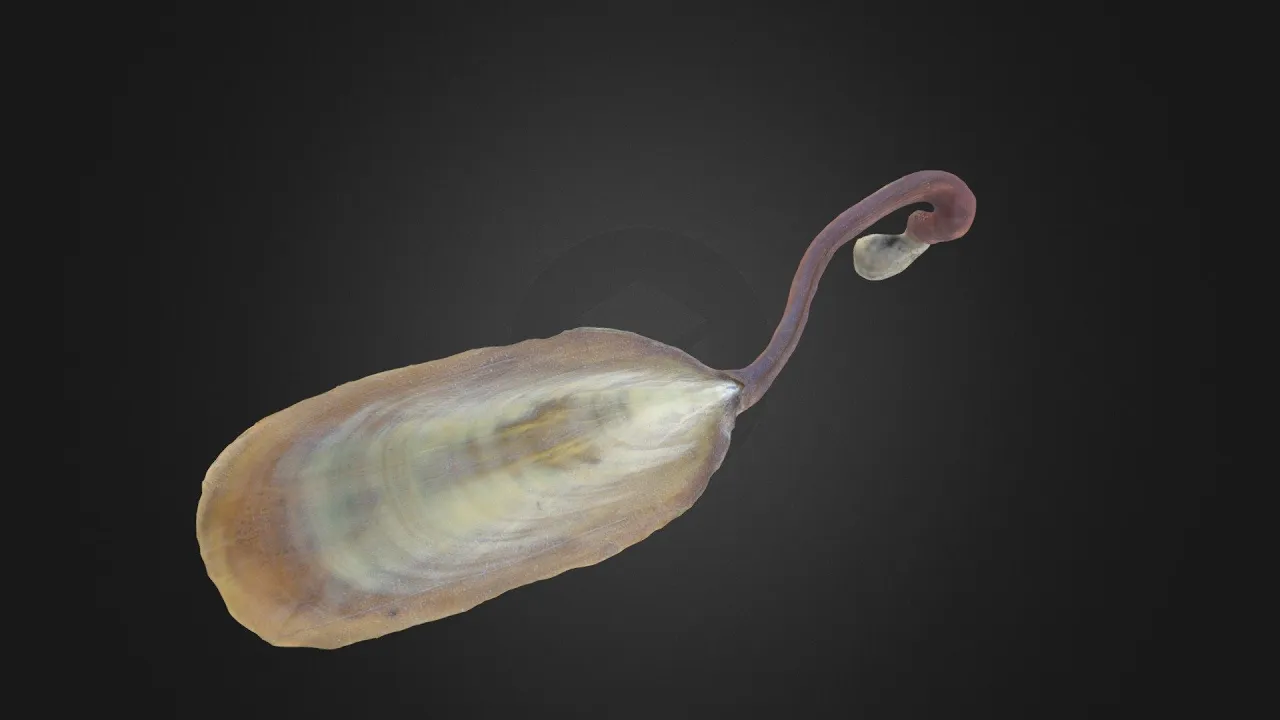
Phylum Brachiopoda: The Lamp Shells
Lophophorata and Brachiopoda
This section introduces the phylum Brachiopoda, also known as lampshells, highlighting their historical abundance in oceans, current limited species count, unique marine habitat preferences, and similarities to bivalves.
Brachiopod Characteristics
- Brachiopods closely resemble molluscan bivalves but are distinct phyla occupying similar niches.
- Differences between lampshells and bivalves include valve structure, hinge types, and muscle systems.
- Articulate brachiopods have toothed hinges while inarticulate ones possess untoothed hinges with complex muscle systems for valve alignment.
Brachiopod Anatomy and Physiology
This segment delves into the anatomy and physiology of brachiopods, focusing on their lophophore feeding mechanism, metabolic rate adaptations to cold environments, circulatory system characteristics, and reproductive strategies.
Feeding Mechanism
- Lampshells possess a U-shaped lophophore with tentacles that create water currents for filtering food particles.
- Food particles captured by the lophophore are directed to the mouth for digestion before distribution through an open circulatory system.
Adaptations and Metabolism
- Modern brachiopods exhibit low metabolic rates suited for cold environments lacking bivalve competition.
- Lampshells eliminate wastes through ammonia diffusion and absorb oxygen via their mantle and lophophore structures.
Reproduction Strategies
- Most brachiopod species are dioecious with separate gonads; reproduction involves releasing sperm and eggs into the water or brooding young internally.