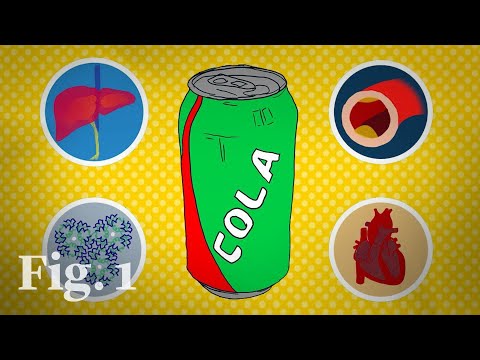
What Does Sugar Actually Do To Your Body?
Understanding the Impact of Fructose on Metabolism
The Transition from Starch to Sugar
- The discussion begins with the observation that diets high in starch are often replaced with sugar, leading to unfavorable health effects. This raises questions about the metabolic consequences of such dietary changes.
Glucose Metabolism
- Grains consumed as carbohydrates primarily consist of glucose, which enters the bloodstream slowly due to enzymatic breakdown in the intestine.
- Once absorbed, glucose travels through the portal vein to the liver, where it is utilized for energy if needed; otherwise, it is distributed throughout the body.
Fructose Metabolism
- In contrast to glucose, fructose from sweetened beverages (including high fructose corn syrup) is delivered directly to the liver without significant distribution elsewhere.
- The liver processes fructose differently due to an always-active enzyme that converts excess fructose into fat when there’s a surplus.
Health Implications of Excess Fructose
- Increased liver fat from excessive fructose leads to higher levels of triglycerides and cholesterol in the blood, both recognized risk factors for cardiovascular disease.
- Additionally, elevated liver fat can impair insulin function, increasing diabetes risk and perpetuating a cycle where poor insulin response further promotes fat accumulation in the liver.
Vicious Cycle of Metabolic Syndrome
- The consumption of fructose contributes to visceral fat accumulation (abdominal obesity), creating an "apple-shaped" body type.