The Exchanged Life Part 2
Understanding the Mystery of the Gospel: Christ in Us
The Role of the Holy Spirit
- The mystery of the gospel is centered on "Christ in you," yet many Christians focus more on their own performance than on this truth.
- Paul warns against legalism, highlighting that the Galatians began their faith journey by relying solely on faith but later added laws to their practice.
- Legalism is seen as a devilish attempt to achieve what only God can provide; self-effort cannot replicate God's nature.
The Call for Perfection
- Jesus demands perfection (Matthew 5:48), emphasizing an all-or-nothing approach rather than a mix of personal effort and divine grace.
- Romans 5:10 illustrates that reconciliation with God comes through Christ's death, leading to salvation through His life.
Total Deliverance and Fulfillment
- Many Christians mistakenly believe total deliverance and fulfillment are only attainable in heaven, not realizing they are available now.
- Ephesians 1:17 encourages believers to seek wisdom and revelation about their inheritance in Christ.
Two Aspects of Deliverance
- There are two types of deliverance provided by Christ: from sin through His blood and present tense deliverance through His body.
- Understanding both aspects is crucial for experiencing true fulfillment in daily life.
The Power of Christ's Body
Eating His Flesh and Drinking His Blood
- Jesus' statement about eating His flesh and drinking His blood (John 6:53–57) symbolizes faith as receiving what is available to us.
- Faith involves accepting God's provisions, which include both the blood for forgiveness and the body for present sustenance.
Present Tense Deliverance
- Accepting Christ’s body means embracing its provisions for our current lives; it signifies living out our identity as one with Him.
Understanding Sin and Righteousness
Nature of Sin
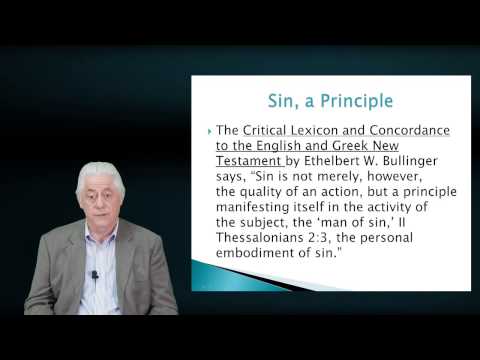
- Sin is often misunderstood; it represents a principle or nature rather than just actions (sins).
- Permanent deliverance from sin requires addressing its root cause rather than merely managing symptoms.
The Exchange Life Concept
- Through Jesus’ sacrifice, believers experience an exchange where they receive righteousness instead of sinfulness (2 Corinthians 5:21).
Embracing Our New Identity
Human Limitations vs. Divine Nature
- Jesus identified fully with humanity, experiencing human frailties while also being divine (Philippians 2:6–9).
Living Out Our New Creation
- Believers must recognize that they have been made new creations post-resurrection, no longer bound by a fallen nature (2 Corinthians 5:17).
Freedom from Sin's Bondage
Death to Sin
- Romans 6 emphasizes that believers have died to sin once for all; thus, striving against sin daily is unnecessary.
Living in Righteousness
- Believers should walk in holiness because they have already been made righteous through Christ’s resurrection.
Reconciliation Through Christ
Message of Reconciliation
- God reconciled humanity back to Himself through Jesus’ sacrifice; this message should be shared widely.
This structured summary captures key insights from the transcript while providing timestamps for easy reference.
Radical Replacement: Old vs. New
Understanding the Transition from Old to New
- The concept of a radical replacement between the old and new is introduced, emphasizing that the Bible states "the old is gone, the new has come."
- Reference to Philippians 3:7 highlights Paul's perspective on valuing knowledge of Christ over all else, indicating a transformative understanding.
- Jesus' teaching in Matthew 16:25 illustrates the paradox of losing one's life for His sake to find true life.
Operating from Different Consciousness
- Discussion on operating from either a condemned self-consciousness or leaping into a spirit dimension based on faith.
- Emphasis on how many are unaware that Christ resides within them, offering rest and freedom from striving.
Learning from Israel's Example
The Consequences of Unbelief
- The Israelites' failure to enter God's rest due to unbelief serves as a warning for contemporary believers.
- Hebrews 4:1 stresses the importance of not falling short of entering God's promised rest.
Feelings vs. Faith
- A distinction is made between feelings (which can mislead us) and faith in God’s truth.
- Grieving the Holy Spirit through an evil heart of unbelief is highlighted as detrimental.
The Struggle Between Flesh and Spirit
Walking in Freedom
- Romans 8 emphasizes walking in the Spirit rather than under condemnation or law; this leads to true freedom.
- Self-effort leads back into bondage; believers must recognize their identity in Christ instead.
Overcoming Lies and Temptations
- The struggle against self-effort is framed as believing lies about needing to fix oneself or others.
Identity as Spirit Beings
True Nature Revealed
- Believers are described as spirit beings living temporarily in flesh, which shifts traditional perspectives on identity.
Victory Through Christ
- Romans 8:3 discusses how Christ condemned sin in our flesh, freeing us from its power and fulfilling righteousness within us.
Living Out Our Identity
Embracing Truth for Freedom
- Knowing and agreeing with God's truth liberates individuals from lies that hold power over them.
Walking by the Spirit
- Galatians 5:24 encourages believers that if they walk in the Spirit, they will not fulfill desires contrary to God’s ways.