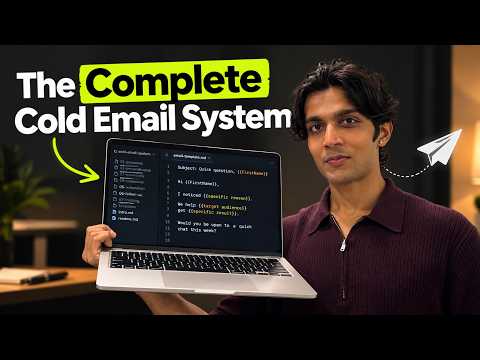
How To Sign Clients With Cold Email: The Complete A to Z System
How to Sign Clients with Cold Email: A Comprehensive Guide
Introduction to Cold Emailing
- The video outlines a step-by-step process for signing clients through cold emailing, emphasizing that success requires effort and dedication.
- Key topics include setting up domains, building targeted lists, crafting concise emails, managing replies quickly, and scaling outreach efforts.
Market Vetting Essentials
- To maximize outbound campaign success, ensure you are targeting a B2B market with at least 20,000 businesses and a high customer lifetime value (LTV).
- Selling to a larger market is crucial; for example, marketing agencies targeting dentists can thrive due to the substantial number of dental practices in the U.S.
- Ensure your offering aligns with actual market demand; products already being purchased indicate potential success.
- Establish social proof or unique mechanisms in your offerings to differentiate from competitors.
Importance of Commitment
- Success in cold emailing requires hard work and willingness to iterate through failures before achieving results.
- This approach is not suitable for those seeking quick fixes without putting in the necessary effort.
Components of Successful Cold Email Outreach
Email Infrastructure Setup
- Focus on cold email as an effective outreach channel due to its scalability and low cost.
- Avoid using regular business emails for cold outreach; instead, purchase secondary domains specifically for this purpose.
Domain Acquisition Strategy
- Start by acquiring five to ten additional domains for outreach purposes. Use variations like gethypert.com or hypertly.org.
Inbox Configuration
- Create two Google inboxes per domain and utilize smart tools like Smartly.ai for warming them up over 2–3 weeks.
Lead List Development
Finding Quality Leads
- Instead of relying on expensive databases like Apollo or Zoom Info, seek niche-specific directories relevant to your target audience.
Directory Scraping Techniques
- Utilize AI tools such as ChatGPT prompts to identify industry-specific directories where potential leads are listed.
Enriching Contact Information
- Use services like Lead Magic or Find Email to gather accurate contact information after scraping directories.
Crafting Your Offer
Defining Your Value Proposition
- Clearly articulate how your service helps clients achieve desired outcomes within specific timeframes while avoiding frustrations they want to bypass.
Unique Mechanism Development
- Develop unique selling propositions that set you apart from competitors; avoid common methods that prospects have heard before.
Writing Effective Cold Emails
Copywriting Guidelines
- Keep emails under 80 words and use plain text only—no images or formatting—to maintain simplicity and clarity.
Personalization Strategies
- Make emails about the recipient by referencing their directory listings or recent successes rather than focusing on yourself.
Responding Effectively to Replies
Timely Engagement Practices
- Reply promptly (within 10 minutes), call immediately if phone numbers are provided, and acknowledge responses effectively using psychological triggers.
Appointment Setting Process
Pre-call Nurturing Techniques
- Send reminders via email and SMS leading up to scheduled calls. Aim for high show-up rates (70–80%).
This structured markdown file captures key insights from the transcript while adhering strictly to timestamp requirements. Each bullet point provides clear guidance linked directly back to specific moments in the video.
Understanding Patient Needs in Discovery Calls
Key Objectives of the Discovery Call
- The primary goal is to extract four critical pieces of information: current state, desired state (goal), previous attempts to bridge the gap, and frustrations preventing progress.
- It's essential to gather insights on what actions they have taken towards their goals and their ongoing efforts to move forward.
Emotional Insights and Follow-Up Strategy
- Prospects often express strong emotions about past experiences with marketing strategies, which can guide future proposals.
- Always schedule a follow-up proposal call at the end of discovery calls instead of sending proposals via email for better engagement.
Presenting Solutions Effectively
Confirming Current and Desired States
- Start by confirming the prospect's current situation and desired outcomes early in the call to establish clarity.
- When presenting solutions, address previously uncovered frustrations to differentiate your approach from past unsuccessful attempts.
Handling Objections
- Prepare for objections by preemptively addressing concerns related to previous negative experiences with similar services.
- Gauge confidence levels by asking prospects how likely they believe your solution will help them achieve their goals; responses below eight indicate further objection handling is needed.
Closing Techniques
Transitioning to Implementation Options
- If confidence is high (eight or above), transition into discussing implementation options while clearly stating pricing structures.
- After presenting prices, allow silence for prospects to process before prompting them about their preferred option.
Follow-Up Actions Post Call
- Ensure either payment collection or set clear next steps for follow-up calls; many prospects may need time before committing but could return positively after reflection.
Importance of Consistent Follow-Ups
Maintaining Engagement with Prospects
- Avoid losing prospects post-proposal by following up consistently through valuable emails rather than needy nudges.
- Share relevant updates or client success stories as part of your follow-up strategy every week or bi-weekly.
Cold Email Campaign Essentials
Building an Effective Prospect List
- Focus on identifying companies that fit your Ideal Customer Profile (ICP); utilize various sources like directories and LinkedIn for list building.
Email Verification Process
- Validate email addresses using tools like Million Verifier before sending cold emails; this step is crucial in avoiding bounces.
Setting Up Sending Infrastructure
Domain Management Strategies
- Use secondary domains for cold emailing instead of your main domain to protect it from potential issues that arise during outreach campaigns.
Inbox Configuration Recommendations
- Set up Google inboxes on secondary domains while ensuring proper DNS configurations are in place for legitimacy when contacted by prospects.
Crafting Compelling Cold Emails
Key Questions Before Writing Emails
- Clearly define who you are targeting and why your offer matters now; understanding these elements is vital before drafting any email content.
Structuring Your Email Content
- Keep emails under 100 words focusing on answering "Why me?", "Why now?", "Why you?", and "What next?" questions effectively.
Following Up After Positive Replies
- Respond within five minutes after receiving a positive reply; quick responses increase chances of securing meetings.
- Utilize phone calls alongside emails when following up on positive replies; personal contact enhances conversion rates.
Turn any video into a summary like this
YouTube links, meetings, lectures. With transcripts, search, and chat.