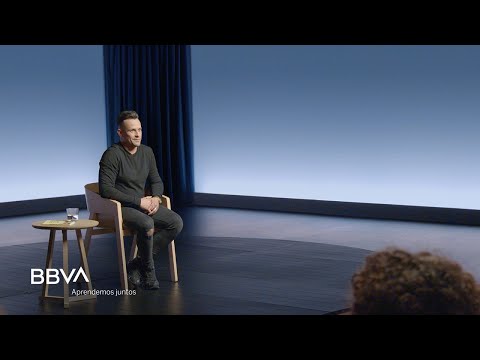
V. Completa. El niño sale del barrio, el barrio permanece en el niño. Sergio López / Haze, profesor
Sergio López: From Struggles to Success in Music
Early Life and Environment
- Sergio López, known artistically as Haze, introduces himself as a Sevillian flamenco rapper who recently became a secondary education teacher. He believes that practical life experiences teach more mathematics than language.
- He describes his upbringing in the impoverished neighborhood of Los Tres Barrios in Seville, which faced significant challenges during the 80s and 90s due to heroin addiction.
- Childhood memories include playing football while being cautious of syringes on the ground, highlighting the dangers present in his environment.
- He recalls feeling fear when returning home, often encountering young individuals using drugs in dark hallways, creating lasting traumatic memories.
- As he entered adolescence, he observed friends suffering from broken families due to drugs and crime while he was fortunate to have a supportive family structure.
The Temptation of Drugs
- At ages 14 to 18, peer pressure led him to experiment with drugs despite initially resisting; this experimentation escalated into a routine behavior over time.
- His parents noticed changes but did not confront him about them. This silence created tension during family dinners where they could see his struggles without addressing them directly.
- Friends began engaging in criminal activities like theft; although he wasn't drawn to crime, an argument with his parents pushed him towards making reckless decisions.
- After leaving home impulsively during a heated discussion with his parents, he spent time living on the streets and even attempted robbery for the first time out of desperation.
- This experience led him to face legal consequences; after failing to attend court dates related to his actions, he was arrested and sentenced to jail for over a month.
Turning Point and Transformation
- His time in jail served as a wake-up call. Upon release, he resolved never to return to that lifestyle again and made significant changes in his life choices.
- Post-incarceration, Haze shifted his social circle towards healthier relationships and focused on sports and music as positive outlets for expression.
- Drawing inspiration from past experiences with drugs and community issues, he began writing rap lyrics reflecting harsh realities from his neighborhood's history.
Emergence as an Artist
- Recognizing limited prospects within traditional rap genres due to cultural influences around him (flamenco), Haze innovatively fused rap with flamenco elements in his music style.
- He dedicated one of his early songs—written for a friend imprisoned—to convey messages of hope and change based on personal transformation experiences.
- Sharing this song with others evoked strong emotional responses; listeners were moved deeply by its authenticity and connection to real-life struggles.
The Journey of a Musician: From Struggles to Success
Early Aspirations and Challenges
- Digo reflects on his clear vision for his path in music, acknowledging the difficulty of creating emotionally resonant songs.
- He recounts selling his first demo tapes for three euros each, highlighting the grassroots nature of his beginnings without access to professional equipment.
- The success of his initial sales led him to travel to meet fans personally, demonstrating his dedication and entrepreneurial spirit.
- Despite financial struggles, he sold 3,600 tapes, which caught the attention of record labels who recognized his potential as an artist.
- Digo sought advice from experienced friends in the industry to navigate early negotiations with record companies.
Rise in Popularity and Cultural Impact
- His music gained traction among youth subcultures during a time when "cani" culture was prominent, reflecting societal trends in Spain.
- Filmmakers approached him to capture the essence of urban life through music, indicating a symbiotic relationship between film and music at that time.
- Digo became a representative voice for marginalized youth, sharing their stories through his art while embracing their aesthetic styles.
Education and Personal Growth
- Encouraged by a partner studying journalism, he decided to pursue higher education after years away from academia.
- He successfully passed entrance exams for university at age 31 and enrolled in Hispanic Philology despite being older than most students.
- His academic journey included excelling in classes and surprising peers with his engagement and knowledge despite preconceived notions about him as an artist.
Academic Achievements
- Digo completed his degree with high marks and pursued a master's program where he received an extraordinary award for academic excellence at the University of Seville.
- He had the honor of delivering a speech representing master's students during graduation ceremonies, marking a significant personal milestone amidst esteemed company.
Transitioning into Teaching
- After rigorous preparation for competitive exams amid challenging circumstances, he achieved success by securing a teaching position at an institute in Sevilla.
- Digo expresses pride in becoming part of the educational community as a teacher while remaining open to questions about his journey from musician to educator.
Family Influence on Education
- He credits his grandfather as a pivotal figure who instilled in him a love for reading through gifts like comics and books during childhood holidays.
- His grandfather's advocacy helped him gain admission into better schools that provided quality education beyond their local area’s limitations.( t =917 s )
Reflections on Personal Growth and Overcoming Adversity
The Role of Family and Education
- The speaker identifies two key strengths in their life: the education received from a specific school and the support from their family, emphasizing values like love and unity instilled by their grandfather.
- Initially a model student with excellent grades, the speaker faced challenges during later years of primary education, leading to decreased motivation and performance.
Experiences with Bullying
- The speaker recounts experiencing bullying, which they describe as "the cruelty of kids," stemming from socioeconomic differences highlighted by clothing that was often second-hand or inexpensive.
- Attending a school in a wealthier area exacerbated feelings of inadequacy due to visible differences in attire compared to peers.
Impact of Socioeconomic Background
- A significant quote shared is: "The lucky child can leave the neighborhood, but the neighborhood will always remain within the child," reflecting on how humble beginnings shape identity regardless of future success.
- The speaker encourages current students facing similar struggles to pursue education passionately, asserting that it’s never too late to learn or improve one’s situation.
Pursuing Dreams and Talents
- The philosophy that "destiny is not imposed but chosen" is discussed; achieving goals requires determination and clarity about one's unique talents.
- Emphasizing self-discovery, the speaker urges individuals to identify their strengths (e.g., speed, creativity), develop them diligently, and persistently work towards their aspirations despite challenges.
Addressing Youth Violence
- The speaker addresses youth violence in educational settings, highlighting roles such as victim, perpetrator, and passive witnesses. They share personal experiences from both sides of this dynamic.
- Acknowledging that violence begets more violence, they stress the importance of emotional regulation during adolescence when hormonal changes complicate behavior management.
Discussion on Machismo and Education
Rising Concerns About Machismo
- Rebeca expresses concern over the increasing prevalence of machismo among adolescents, highlighting that young people feel entitled to control their partner's mobile communications as a sign of love.
- She notes that this behavior is indicative of a broader societal issue where machismo is growing exponentially, particularly in school environments.
Utilizing Music in Education
- The speaker discusses using rap music as an educational tool, sharing how their background as a musician enhances classroom engagement.
- They mention working with a song titled "Rompe tu silencio," aimed at addressing gender violence, leveraging their fame to instill positive values in students.
Engaging Students Through Literature
- The speaker recounts donating books to the library for expelled students, who are encouraged by the director to read during their suspension.
- They emphasize the importance of connecting language and literature with urban music to make learning more appealing and relevant for youth.
Parenting Philosophy and Guidance
- Rebeca shares her approach to parenting, aiming to guide her son through adolescence while fostering his character development.
- She stresses the importance of instilling values such as respect, loyalty, and determination in her child.
Open Communication with Adolescents
- The speaker highlights the need for open dialogue about difficult topics like drug use, hoping to build trust so that their child feels comfortable discussing issues without fear of judgment.
- They express a desire for critical thinking skills in their child, wanting him to understand consequences and reflect on his actions.
Inspiration from Poetry
Encouragement for Future Educators
- Adrián seeks advice from the speaker regarding education and personal growth; he is studying to become a teacher himself.
Closing Thoughts on Hopeful Narratives
- The speaker references their book "El niño que salió del barrio," emphasizing themes of hope found within marginalized communities.