El Diptongo y el Hiato: Todo lo que necesitas saber con ejemplos
Understanding Diptongo and Hiato in Spanish
Introduction to Diptongo and Vocales
- The lesson introduces the concepts of diptongo (diphthong) and hiato (hiatus), emphasizing the importance of understanding open and closed vowels.
- Open vowels are defined as "a," "e," and "o," while closed vowels include "i" and "u."
- Words are divided into syllables to identify where the stress falls, which helps determine if a word requires an accent mark.
Characteristics of Diptongo
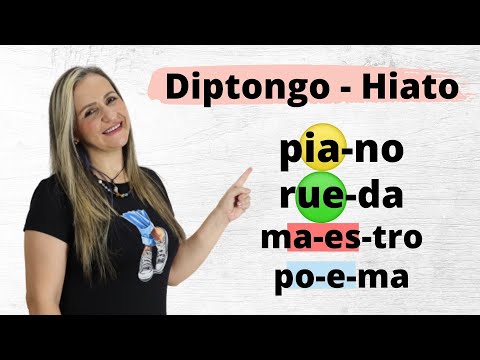
- A diptongo occurs when two vowels remain in the same syllable due to vocal stress, exemplified by the word "piano."
- In contrast, hiato separates two vowels into different syllables, as seen in the word "maestro."
Identifying Diptongos vs. Hiatos
- Two open vowels will always form separate syllables, indicating a hiato; this is not true for diptongos.
- Various combinations of open and closed vowels can create diptongos; examples will be provided later.
Examples of Diptongos
- Several examples illustrate how diptongos keep both vowels together within a single syllable, such as in words like “huevo” or “jugo.”
Understanding Tilde Placement: Hiato Creciente vs. Decreciente
- When two vowels carry accents, they can be categorized into growing (creciente) or decreasing (decreciente) hiatus based on which vowel carries the tilde.
- In a growing hiatus example like “amarilla,” the first vowel with an accent receives the tilde.
Practical Application: Task Assignment
- Students are tasked with separating given words into their respective syllables to practice identifying hiatos and diptongos.