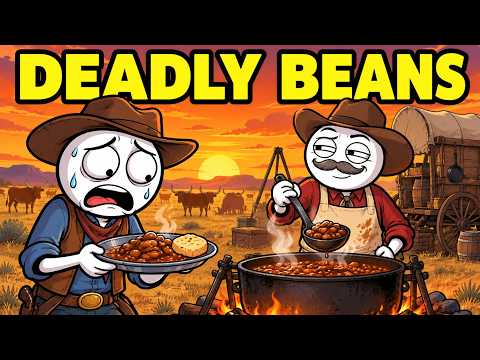
What Did Cowboys Actually Eat?
The Life of Cowboys and Their Diet
Morning Routine on the Trail
- At 3:30 AM, a cook wakes sleeping cowboys with a loud call to breakfast, emphasizing the importance of morning meals during cattle drives.
- Despite their lifelong connection to beef, cowboys rarely consumed it while on the trail or ranch; this paradox sets up an exploration of cowboy cuisine.
The Chuck Wagon and Its Role
- Charles Goodnight created the chuck wagon in 1866, which served as a mobile kitchen equipped with essential cooking supplies for cowboys.
- The cook (or "cookie") was crucial to the drive's success, managing food preparation and camp logistics while often earning more than the cowboys themselves.
Cowboy Cuisine Essentials
- Cowboys adhered to strict rules regarding food etiquette around the cook and his tools, highlighting respect for their sustenance provider.
- The core menu consisted of beans, bacon, biscuits, coffee, and leftovers—simple yet effective staples that sustained them through long days.
Food Preservation Challenges
- Without refrigeration or ice available on cattle drives, cowboys relied on non-perishable foods like dried beans and cured pork that could withstand harsh conditions.
- Cattle were primarily viewed as business assets rather than food sources; fresh meat was only consumed when necessary due to spoilage concerns.
Unique Dishes from Limited Ingredients
- When beef was available after slaughtering an animal deemed unfit for work, cooks made use of all parts in dishes like "son of a gun stew," utilizing organ meats.
- Branding time brought about another unique dish known as Rocky Mountain Oysters—a traditional cowboy delicacy made from castrated calves.
Daily Meal Structure
- Breakfast typically included biscuits with gravy and bacon or salt pork; meals were quick due to busy schedules.
- Lunch was often cold leftovers eaten quickly while tending cattle; dinner at sundown was more substantial with beans and desserts like dried apple pie.
Nutritional Needs of Cowboys
- Cowboys required high-calorie diets (4–5 thousand calories daily), making fats from bacon grease and lard essential for energy during strenuous activities.
- The Dutch oven played a vital role in meal preparation by allowing versatile cooking methods over hot coals throughout the day.
Coffee: A Cowboy's Luxury
- Coffee was considered an indispensable luxury among cowboys; strong black coffee brewed over fire became a staple beverage during drives.
Supply Chain Insights
- Essential ingredients came from various regions across America via railroads; this interconnected supply chain supported cowboy diets despite geographical challenges.
Introduction of Canned Foods
- In the late 1800s, canned goods became popular among cowboys for their convenience and ability to provide vitamins missing from their usual diet.
Morale Boosting Through Cooking
- Beyond nutrition, cooks played a critical role in maintaining morale among crews during tough times through comforting meals like freshly baked bread.
Eating Out After Drives
- Upon completing cattle drives, cowboys indulged in hearty meals at towns featuring fresh ingredients they had missed while on the trail.
Conclusion: The Unsung Heroes Behind Cowboy Meals
- Ultimately, cowboy cuisine reflects logistical needs rather than culinary glamour; it underscores how essential cooks were in sustaining both bodies and spirits during challenging journeys.
Turn any video into a summary like this
YouTube links, meetings, lectures. With transcripts, search, and chat.