How Tall Buildings Tame the Wind
Understanding Wind Loads in Tall Buildings
The Importance of Wind in Skyscraper Design
- Wind is a critical factor for architects and engineers when designing tall buildings, necessitating flexibility in their structures to withstand wind loads.
- As height increases, wind forces become stronger; skyscrapers are designed to bend and flex to absorb these impacts while maintaining occupant comfort.
- Historical height limits were imposed in cities like Chicago and New York City to prevent sunlight obstruction from tall buildings, influencing early architectural designs.
Challenges of Modern Skyscrapers
- By the 1960s, box-like skyscrapers emerged, leading to new engineering challenges related to wind load management.
- The "street canyon" effect causes increased wind velocity at street level due to large buildings redirecting winds down their facades.
- Manhattan's grid structure exacerbates this issue by providing little deflection against strong winds.
Vortex Shedding and Building Movement
- Vortex shedding occurs as wind flows around obstacles (like tall buildings), creating low-pressure areas that can cause noticeable swaying.
- Engineers began using wind tunnel testing during the design phase to assess potential impacts of high winds on building stability.
Innovative Engineering Solutions
- One method for reducing wind impact is "corner softening," which involves smoothing edges or creating cutouts on building corners for better aerodynamics.
- Taipei 101 exemplifies corner softening with minor cutouts that reduced movement by up to 25%, showcasing effective design strategies against high winds.
Advanced Techniques in Skyscraper Design
- Tapering a building as it rises helps disrupt uniformity that leads to vortex shedding; examples include Kuala Lumpur’s Petronas Towers and The Shard in London.
- The Burj Khalifa employs multiple techniques such as extreme tapering and setbacks, making it the tallest building globally while effectively managing wind forces.
Simulation Tools for Wind Management
- SimScale offers cloud-based engineering simulations that help visualize how designs manage wind loads before construction begins.
Reducing Vortex Shedding Through Design
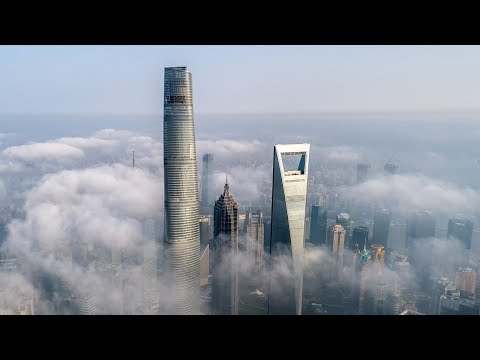
- Twisting a building's form offsets each floor from the last, minimizing bluff areas where vortices can form; Shanghai Tower is a prime example of this technique.
The Engineering Marvel of Skyscrapers
The Slender Design of Modern Towers
- The tower boasts an impressive width-to-height ratio of 1:15, making it one of the world's most slender skyscrapers and a key example of New York's super-skinny residential tower trend.
- Standing at 426 meters, the structure features double floor cut-outs every 12 stories, which facilitate wind passage around its thin design.
Wind Energy Innovations in Skyscraper Design
- A SimScale simulation illustrates the effectiveness of incorporating voids in buildings to harness wind energy through wind turbines; however, this concept has not gained widespread adoption.
Motion Stabilization Techniques in Tall Buildings
- Many tall buildings are equipped with dampers that counteract motion caused by winds. These heavy instruments are typically suspended on upper levels and sway to stabilize the building's movement.
Examples of Advanced Dampers in Skyscrapers
- Notable skyscrapers utilizing these dampers include Taipei 101, Trump World Tower, 432 Park Avenue, and 53W53 in New York City.