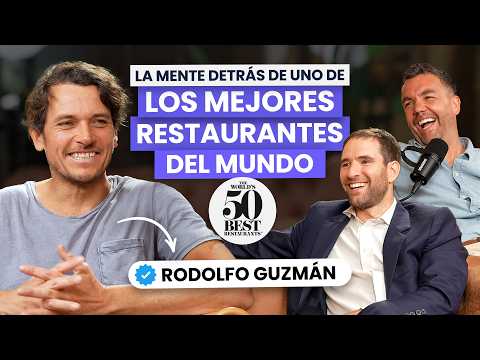
La MENTE DETRÁS de uno de los MEJORES RESTAURANTES del mundo. Rodolfo Guzmán | EP 66
Unique Aspects of Chile
The Uniqueness of Chile
- The speaker emphasizes that Chile is a unique country due to its atypical geography and rich culture, which shapes the experiences of its inhabitants.
- There is a belief that the historical interactions among people in this remote corner of the world contribute to a special energy felt by those living there.
Culinary Evolution
- The introduction of Boragó revolutionized culinary understanding, focusing on learning from experts rather than merely changing the game.
- A deep respect for ingredients is highlighted, emphasizing skills like preparing fish or cooking animals, which connect one to their food source.
Challenges in Business
Personal Struggles
- The speaker recounts a moment of crisis when a deal fell through at the last minute, leading to feelings of anxiety and self-doubt.
- He reflects on advice from successful entrepreneurs who suggested he was in the wrong place, illustrating common fears faced by business owners.
Lessons Learned
- Despite challenges, he learned that situations can always worsen, highlighting resilience as key in entrepreneurship.
Financial Solutions for Entrepreneurs
Market Payment Insights
- Discussion about Mercado Pago reveals it allows instant payment collection, improving cash flow for businesses.
- Emphasizes ease of obtaining online credit without paperwork through Mercado Pago as beneficial for scaling businesses.
Introduction to Rodolfo Guzmán
Welcoming Rodolfo Guzmán
- The host introduces Rodolfo Guzmán as an esteemed guest known for creating Boragó and being an influential entrepreneur.
Passion for Cooking and Innovation
- They express excitement about discussing Guzmán's passion for cooking and love for Chilean culture while exploring themes like innovation and entrepreneurship.
Reflections on Identity and Heritage
Pride in Being Chilean
- Guzmán expresses pride in his Chilean identity, reiterating the uniqueness of the country’s geography and cultural history.
Santiago's Role
- He discusses how Santiago often overshadows other regions but acknowledges its geographical beauty and accessibility to nature surrounding it.
Personal Background
Early Life Influences
- Guzmán shares his upbringing in Santiago during a time very different from today’s cosmopolitan environment.
Family Dynamics
- He describes coming from a creative family background with two father figures who instilled hard work values.
Fernando: The Creative Influence of My Adoptive Father
The Essence of Creativity
- Fernando describes his adoptive father as the most creative person he has ever known, emphasizing that creativity is about facing adversity and responding effectively to challenges.
Childhood Experiences and Education
- He reflects on his middle-class upbringing, attending public school while his parents tried to improve their circumstances by seeking better educational opportunities for him.
- Despite their efforts, he struggled academically due to a lack of focus and other interests that distracted him from traditional schooling.
- He mentions having taken Ritalin during childhood, acknowledging that he had difficulties similar to many children in his generation who were restless or hyperactive.
Respect and Family Values
- Despite being a poor student, he maintained respect for teachers and valued respect within his family, which was crucial even during challenging times.
- His parents worked hard in the printing industry, demonstrating dedication without weekends off. This work ethic instilled a sense of resilience in him.
Understanding Reality and Acceptance
- He describes Chile as a fertile ground for those willing to work hard creatively; however, not everyone recognized this potential.
- Reflecting on the past, he notes how both parents worked tirelessly without breaks, shaping his understanding of effort and opportunity.
Lessons from Adversity
- He recalls feeling deprived compared to peers who had more material possessions but learned early on that happiness could be found in spending time with family instead.
- At eight years old, his father taught him about reality—acknowledging that others would always have things he couldn't access but encouraging self-reliance for future success.
Parental Philosophy on Success
- His father's philosophy emphasized personal responsibility over parental support; achieving goals depended solely on individual effort rather than external help.
- While his mother was more lenient with allowances or gifts, it was clear that his father's strict approach shaped much of his understanding of life’s challenges.
Realizations Over Time
- It wasn't until around age 26 that he fully grasped these lessons about independence and self-sufficiency after experiencing significant life challenges firsthand.
- He identifies himself primarily as a cook rather than an entrepreneur despite learning business skills along the way.
Understanding the Role of Numbers in Culinary Arts
The Importance of Numerical Literacy for Chefs
- The speaker emphasizes that understanding numbers is a fundamental duty for professional chefs, especially as they approach 20 years in the industry.
- They believe that being numerically literate enhances creativity and originality in culinary practices.
Early Career Experiences
- The speaker shares their journey starting from a young age, moving to South Carolina at 19 to work in various restaurants, both locally and internationally.
- They reflect on the challenges faced when adapting to a new environment where Spanish was not widely spoken.
Learning Through Challenges
- A pivotal moment occurred when opening their restaurant, Voragó, around late 2006. This experience taught them valuable lessons about resilience and adaptability.
- The speaker discusses the structured progression within culinary careers, comparing it to military training where each stage builds upon the last.
Performance and Recognition in Culinary Arts
- At just 24 years old, they became a head chef after rigorous training in Europe, highlighting the demanding nature of culinary environments.
- They draw parallels between performance in cooking and other high-stakes fields like Formula 1 racing or professional sports.
Distinction Between Simple and Complex Culinary Skills
- The evolution of chefs from behind-the-scenes roles to public recognition reflects the growing importance of food culture globally.
- The speaker compares different levels of culinary expertise to athletic performance, emphasizing that mastery requires extensive practice and dedication.
Understanding Excellence in Culinary Arts
- They argue that achieving excellence is akin to competing against world champions; mere preparation isn't enough without innate talent and rigorous training.
- The discussion concludes with an assertion that true mastery takes a lifetime of commitment across any serious discipline.
How Mentorship Shapes Resilience in High-Pressure Environments
The Role of Mentorship
- The speaker reflects on a tough mentor, Buster, who pushed him to his limits, emphasizing the importance of resilience and preparation for future challenges.
- He questions whether anyone has had a mentor they disliked but learned from, highlighting the complex nature of mentorship in personal growth.
Personal Experiences in Challenging Environments
- The speaker shares experiences from demanding kitchens, focusing on understanding personal failures and triggers that lead to emotional responses.
- He notes that while he never cried at work, he empathizes with those who did, acknowledging different emotional responses to stress.
Understanding Emotional Responses
- Discusses how tears can reflect physical stimuli but do not necessarily indicate a lack of emotional experience; frustration can be felt without visible signs.
- Emphasizes the subjective nature of high-pressure environments and how individual backgrounds influence reactions to stress.
The Complexity of Culinary Excellence
High Standards in Cooking
- The speaker describes the rigorous demands of culinary excellence and recalls pivotal moments that shaped his approach without claiming personal significance.
- He compares cooking to medicine, stressing the passion required to provide nourishment akin to saving lives.
Challenges in Food Production
- Highlights the complexities involved in food preparation—from sourcing ingredients sustainably to ensuring quality—underscoring the dedication needed by both chefs and farmers.
- Discusses societal perceptions around food production and emphasizes the importance of understanding agricultural processes for appreciating culinary arts.
The Importance of Nutrition for Society
Agricultural Challenges
- Addresses difficulties faced by farmers today due to economic pressures and societal undervaluation of their work; stresses that agriculture requires lifelong dedication.
- Points out that many people are unaware of how long it takes for crops like carrots to grow compared to human development timelines.
Societal Priorities Regarding Food
- Argues that society should prioritize children's nutrition over superficial concerns; highlights food's critical role in health and well-being.
- Concludes with a call for greater respect towards those involved in food production—farmers and fishermen—as essential contributors to public health.
Culinary Philosophy and the Importance of Ingredients
The Role of Quality in Cooking
- Discusses the significance of quality ingredients in cooking, emphasizing that even the best products can be ruined by poor preparation.
- Highlights the necessity for chefs to undergo extensive training to master their craft and serve food without losing its properties.
Community and Tradition in Culinary Practices
- Shares insights on working directly with local fishing communities, stressing a familial bond with over 300 individuals involved in sourcing ingredients across Chile.
- Reflects on the importance of accessing traditional ingredients, linking them to ancestral knowledge that is often overlooked in education.
Vision for Organic Transformation
- Proposes that Chile could lead globally by transforming into an organic country, promoting pesticide-free agriculture as a unique selling point.
- Argues that improving children's nutrition through quality food leads to smarter children, questioning the value of education if foundational health is neglected.
Happiness Through Food
- Emphasizes how good food contributes to happiness and better decision-making, suggesting that dietary choices are crucial for overall well-being.
- Mentions Japan's approach to nutrition and how Chile has potential due to its pristine marine resources and natural ingredients.
Historical Context and Cultural Identity
- Discusses the historical roots of Chilean cuisine, noting that many traditional dishes have ancient origins yet remain unrecognized today.
- Points out that significant changes come from individuals rather than governments or institutions, highlighting human agency in cultural evolution.
Personal Responsibility in Culinary Innovation
- Introduces Rodolfo’s perspective on culinary responsibility, focusing on understanding ingredient origins and ecological relationships within marine life.
- Clarifies Rodolfo's view on not being obsessive but rather responsible about his role in changing culinary perceptions through learning.
How to Approach Cooking and High Performance?
The Importance of Questions in Cooking
- The speaker emphasizes the significance of questioning various aspects of cooking, such as how to remove food from water or different serving methods. This inquiry leads to deeper learning and understanding.
Obsession and High Performance
- Discussing high performance, the speaker notes that a certain level of obsession is necessary for success. They argue that true champions dedicate themselves fully over many years, indicating that balance may not always be possible.
Team Dynamics in Culinary Success
- The speaker highlights the importance of teamwork in achieving culinary excellence. They view themselves as part of a larger team at Bagó, emphasizing collective effort over individual accolades.
Creativity and Originality in Cuisine
- Creativity is crucial for Bagó's identity as an experimental restaurant. The speaker stresses the need for continuous questioning and evolution in their culinary practices.
Personal Reflections on Passion for Cooking
- Reflecting on his journey, the speaker shares a profound connection with cooking, feeling it is his calling. He expresses gratitude for being able to work in a field he loves while acknowledging it also feels like hard work.
Rodolfo's Journey: From Challenges to Culinary Success
Early Life Challenges
- Rodolfo recounts his difficult beginnings, including traveling undocumented to the United States and returning to Chile with a desire to change his life direction.
Influence of Mentorship
- A significant figure in Rodolfo's life encouraged him to pursue gastronomy despite his academic struggles. This mentorship played a pivotal role in shaping his career path.
Discovering Passion Through Education
- After starting culinary studies, Rodolfo felt an immediate connection with cooking, realizing it was where he belonged. His teachers recognized his talent early on, reinforcing his decision.
Balancing Work and Family Life
- Rodolfo discusses balancing professional commitments with family time, highlighting that spending time with his four children is one of his greatest joys amidst a demanding career.
Disappointment with Industry Standards
- As he began working at restaurants during internships, Rodolfo experienced disappointment due to disconnection between famous chefs and their teams, which contrasted sharply with what he valued in teamwork.
Culinary Journey and Personal Growth
The Reality of Cooking
- The speaker reflects on the early days of cooking, noting that many chefs were once involved in other professions before finding their passion in the kitchen.
- Upon entering a kitchen, the speaker experienced disappointment, expecting to see passionate cooks but instead encountered a harsh reality.
- A pivotal moment occurred when someone introduced the speaker to culinary innovations happening in Spain, igniting a desire for change.
Embracing New Experiences
- At 23 years old, the speaker left Chile for Europe, where he found an environment that matched his expectations from books and films about cooking.
- The vibrant atmosphere of European kitchens was exhilarating; it felt like home and aligned with his high-energy personality.
High Pressure and Performance
- The speaker draws parallels between high-pressure environments in kitchens and Formula 1 racing, emphasizing the need for adrenaline during challenging services.
- He discusses how chefs thrive under pressure but also face challenges similar to athletes who must manage stress effectively.
Learning Through Experience
- As a young chef, one learns various skills through hands-on experience in different kitchen roles, which fosters respect for food preparation.
- The transformation from novice to skilled cook is profound; understanding life and death through cooking creates a unique perspective on existence.
Reflections on Life Lessons
- The speaker acknowledges that all living things are interconnected; even plants have feelings as demonstrated by research on plant communication.
- He emphasizes the importance of re-evaluating what truly matters in life amidst societal distractions influenced by social media.
Exploring Failure and Growth
- The conversation shifts towards exploring personal failures; the speaker finds more value in stories of struggle than success.
- Learning from failure provides deeper insights into resilience and creativity, highlighting how overcoming adversity shapes character.
The Journey of Resilience in the Culinary World
Overcoming Challenges and Learning from Failure
- The speaker reflects on their professional journey, emphasizing that they never focused on failure despite experiencing numerous setbacks. They highlight a strong resilience throughout their career.
- The restaurant Boragó, where the speaker has worked for 19 years, was initially struggling and considered bankrupt. This context sets the stage for understanding their challenges.
- The speaker discusses personal sacrifices made during tough times, indicating that these experiences were not just professional but deeply human, involving significant emotional toll.
- They acknowledge that failures are crucial learning opportunities. The speaker admits to making many mistakes as a chef, particularly when opening Boragó with limited knowledge.
- A desire to work with renowned chef Thomas Keller is mentioned; however, the speaker faced rejection due to being from Chile, illustrating barriers in pursuing dreams within the culinary industry.
Facing Adversity and Personal Growth
- The narrative shifts to personal hardships faced while running Boragó during its early struggles. The speaker shares stories of resilience amid adversity and how they learned valuable lessons through these experiences.
- Reflecting on responsibility in opening Boragó, the speaker acknowledges a lack of expertise at that time but emphasizes growth through learning about business management and finances.
- A pivotal moment occurs when the speaker's partner questions their understanding of basic financial concepts like invoices and taxes, prompting self-reflection on their preparedness for running a restaurant.
- As challenges mounted—both professionally and personally—the speaker recognized they were nearing a breaking point but remained determined to push forward despite overwhelming odds.
- With mounting pressure from financial difficulties and family responsibilities (including a newborn), the situation became dire as potential buyers backed out at the last minute.
Lessons Learned Through Hardship
- The emotional weight of facing failure is discussed; moments of self-doubt arise as external pressures mount. The importance of perseverance becomes evident amidst these trials.
- Stories are shared about interactions with successful entrepreneurs who questioned their choices in pursuing this path, highlighting societal expectations versus personal aspirations.
- As adversities continued to escalate daily—such as dealing with an empty restaurant—the realization dawned that things could always worsen without proactive measures taken to address issues.
- Despite ongoing struggles with debt and operational challenges, there’s an acknowledgment that everyone faces adversity; what matters is one’s response to it—a key theme throughout this journey.
- An unexpected opportunity arises when a prominent critic expresses interest in visiting Boragó. This moment signifies hope amidst despair and illustrates how fortunes can change unexpectedly.
Reflections on Culinary Identity and Challenges
The Initial Encounter with Gastronomy
- The speaker recalls a pivotal moment in their culinary journey, highlighting the disconnect from social media and the limited presence of platforms like Facebook at that time.
- They express astonishment at experiencing ingredients treated in a unique way, contrasting it with culinary practices in Spain and other countries.
Understanding Culinary Roots
- The speaker emphasizes that their cuisine is not solely technique-based but rooted in the possibilities offered by their territory, shaped by experiences with various communities.
- A sense of self-awareness emerges as they reflect on their place in the world and how life’s circumstances have influenced their path.
Recognition and Media Attention
- As interest grows from Latin American press, the speaker notes that despite Boragó's financial struggles, recognition begins to surface.
- They acknowledge Chile's historical lack of gastronomic identity compared to neighboring countries like Peru and Mexico.
Imposter Syndrome in Success
- The speaker discusses feelings of imposter syndrome when receiving accolades, questioning whether they truly deserve such recognition amidst personal doubts.
- They recount moments of self-doubt when confronted with external validation, leading to introspection about their culinary beliefs.
Pressures of Running a Restaurant
- The conversation shifts to the harsh realities of running a restaurant beyond just cooking well; it involves managing finances and responsibilities for staff.
- Despite facing imminent bankruptcy, there are signs of hope as opportunities arise for greater visibility within the culinary community.
Turning Point: Invitation to Lima
- An invitation to participate in an event in Lima marks a significant turning point; initially reluctant due to self-doubt, they eventually feel compelled to attend.
- Upon attending, unexpected success follows as Boragó gains immense popularity overnight due to increased reservations.
The Journey of a Renowned Restaurant
The Initial Struggles
- The speaker reflects on the challenges faced in securing a single chair for their family, highlighting the overwhelming nature of running a busy restaurant.
- They describe how their restaurant gained international attention, becoming known for its unique seafood dishes, despite initial skepticism about Chile's culinary scene.
- A moment of self-doubt is shared as they confront potential failure and question their choices while looking in the mirror.
Transformation and Recognition
- Between 2013 and 2015, the speaker experienced significant personal growth amidst rapid changes in their restaurant's success.
- In 2015, they were recognized as the best chef in Latin America, which they view with some skepticism but acknowledge as part of their journey.
- The speaker contrasts Chile’s culinary reputation with that of other countries like Peru and Mexico, emphasizing Chile's underdog status in gastronomy.
Cultural Mindset Shift
- They discuss societal perceptions regarding Chilean achievements in sports and gastronomy, questioning why Chile could not excel similarly to other nations.
- The conversation shifts to mindset differences between cultures; they argue that all humans have equal potential regardless of nationality.
Family Support and Inner Strength
- The role of family support is highlighted, particularly the influence of the speaker's wife during challenging times.
- They emphasize the importance of inner strength and resilience when facing adversity, suggesting that many people fail to recognize these qualities within themselves.
Understanding Pressure
- The speaker shares insights on pressure, asserting it is a mental construct rather than an external force one can physically encounter.
- They stress that understanding one's internal pressures can guide individuals toward harnessing their strengths effectively.
Learning from Experience
- As Boragó gained fame in 2013, the speaker reflects on continuous learning throughout their journey without halting progress despite setbacks.
- They note how this experience taught them about seasonal variations in business operations—recognizing distinct phases within a single year.
Voguo: A Unique Culinary Journey
The Origins of Voguo
- The story of Voguo began in 2013, rooted in a profound learning experience that is described as unique compared to other global culinary practices.
- Despite being an experimental restaurant, Voguo emphasizes deep connections with Chilean culture and seasonal ingredients, reflecting traditional practices of indigenous peoples.
Importance of Cultural Heritage
- Understanding one's identity and origins is crucial for deeper insights into culinary direction and purpose.
- Rodolfo highlights the significance of familial relationships in agriculture, emphasizing the importance of learning from those who cultivate food from seed to harvest.
Influential Figures in Culinary Learning
- Rodolfo recalls numerous influential women in his life, such as Anita Pulev and Doña María, who have profoundly impacted his understanding of food.
- These figures have changed their perspectives on cooking through shared wisdom and experiences related to cultural practices.
Unique Ecosystem of Chile
- Rodolfo explains how Chile's unique geography contributes to its biodiversity, noting that it remained unaffected during historical climate changes.
- This ecological uniqueness allows for the cultivation of distinct seeds and ecosystems that are unparalleled globally.
Overcoming Challenges
- In 2012, Rodolfo faced significant challenges that made him consider abandoning his culinary journey altogether.
- He reflects on moments when reality felt overwhelming but emphasizes the importance of support systems during tough times.
Resilience Through Support
- Rodolfo discusses how relying on supportive individuals helped him navigate difficult periods without succumbing to depression.
- He likens having a restaurant without patrons to a severe professional punishment, highlighting the emotional toll it takes on chefs.
The Role of Belief and Encouragement
- His partner believed in him even when he struggled with self-doubt; this belief was pivotal for his resilience.
- Rodolfo stresses the value of surrounding oneself with supportive people—friends or family—as essential for personal recovery and growth.
Reflections on Life Choices and Personal Growth
The Role of Guidance in Success
- The speaker reflects on the importance of seeking guidance from mentors, akin to consulting an older brother, which has contributed to their success.
- A pivotal moment is discussed where a potential crisis could have either destroyed or strengthened their marriage, emphasizing the significance of choices made during challenging times.
Energy and Life's Challenges
- The speaker believes that life presents both adversities and positives, and it is crucial for individuals to navigate these situations wisely.
- Emphasizes personal responsibility in decision-making; despite external advice, ultimately, one must choose their path.
Importance of Children and Community
- Highlights the need for children to learn about personal energy and its value in building community, stressing that society often overlooks this aspect.
- Discusses a connection with various cultures and religions but identifies as non-religious while valuing inner strength derived from diverse spiritual practices.
Respect and Observation in Society
- Stresses the importance of respect for all living beings and critiques modern society's lack of observation skills taught to children.
- Argues that understanding different forms of life enhances self-awareness regarding one's talents, leading to better contributions within communities.
Happiness Beyond Material Wealth
- Points out that while economic factors drive societal success, true happiness does not always correlate with financial wealth.
- Discusses how happiness can be subjective; people may prioritize experiences over material possessions when defining what brings them joy.
Value of Unique Experiences
- Explores the idea that unique culinary experiences (like dining at a specific restaurant) cannot be quantified by money alone; they hold intrinsic value beyond price tags.
- Shares anecdotes illustrating how diverse patrons find joy in shared experiences at restaurants regardless of their financial backgrounds.
Self-Honesty About Values
- Encourages self-reflection on what truly matters in life rather than conforming to societal expectations or pressures regarding spending habits.
- Concludes with a call for honesty with oneself about priorities—what genuinely motivates individual happiness should guide decisions.
Insights on Culinary Philosophy and Cultural Impact
The Value of Experience in Dining
- The speaker emphasizes the distinction between "expensive" and "costly," suggesting that while certain experiences may be costly, they are worth it due to the happiness they bring.
- The restaurant is considered one of the most affordable options globally, providing a unique experience that saves travelers from additional expenses like flights and hotels.
Respecting Individual Choices
- The speaker clarifies that their mission is not to convince anyone but rather to respect individual choices within their culinary journey.
- They highlight the restaurant's global appeal, attracting visitors from diverse backgrounds who value cultural significance in food.
Cultural Significance of Food
- The discussion touches on how different cultures, particularly Asian cultures, place immense value on food as an integral part of their identity and social fabric.
- There’s a sense of responsibility felt by the team as they contribute significantly to tourism in Chile through their culinary offerings.
Sacrifices for Success
- When asked about personal sacrifices made for success, the speaker reflects on family support as crucial to their journey without dwelling too much on what was sacrificed.
Pursuit of Connection Over Perfection
- Instead of striving for unattainable perfection, the focus has shifted towards achieving a deep connection with their culinary creations and understanding why they create dishes in specific ways.
Exploration of Ingredients and Innovation
Learning Through Experimentation
- The restaurant operates like a laboratory where experimentation leads to innovation; new techniques and products are continuously explored.
Discovering Local Ingredients
- A significant revelation has been learning about Chilean ingredients at an unprecedented pace over recent years, which was not initially planned.
Classification of Flavors
- They have categorized Chilean territory through a culinary lens, discovering flavors previously unrecognized or underappreciated in modern history.
Expanding Culinary Possibilities
- Each ingredient now represents numerous possibilities compared to just one option 15 years ago; this evolution showcases growth in creativity within the culinary field.
Understanding the Challenges of Starting a Food Company
The Current State of Knowledge and Intentions
- The speaker acknowledges that while they possess advanced knowledge to start a food company, they feel uncertain about their next steps.
- They mention having a test kitchen dedicated to cooking and an office area focused on documentation, emphasizing their commitment to planning for potential future changes in Chile's food regulations.
Potential for Change in Children's Nutrition
- The speaker believes Chile has the potential to transform children's nutrition using raw materials that are unprocessed and of high quality.
- They express openness to contribute positively from their identity without pretending to be something they're not, highlighting authenticity in their approach.
Quality of Ingredients and Natural Foods
- A strong emphasis is placed on the superiority of natural foods, such as eggs from backyard chickens or freshly caught fish, which are considered unmatched in quality.
- The speaker insists that real ingredients like fresh milk or organic fruits have always been the healthiest options throughout history.
Commitment to High Standards
- They stress the importance of sourcing high-quality ingredients for both personal consumption and restaurant offerings, asserting that quality is non-negotiable.
- Chile's robust dairy industry is highlighted as a significant asset for providing nutritious food sources for children.
Vision for Organic Food Movement
- The speaker envisions Chile becoming a leading country in organic food production, particularly benefiting children's diets.
Balancing Dietary Choices with Realism
Family Dynamics Around Food Choices
- In response to a hypothetical scenario involving his daughter Margarita wanting pizza, the speaker emphasizes moderation rather than strict avoidance of junk food.
Understanding Nutritional Spectrum
- They advocate for educating children about healthy eating choices while recognizing that not all foods fit neatly into "good" or "bad" categories.
Embracing Variety in Diet
- The speaker notes there are excellent pizzerias in Santiago that rival those found in Italy, showcasing local culinary talent and ingredient quality.
Rejecting Extremism in Dietary Habits
- They argue against radical dietary views by promoting balance and variety within one's diet instead of adhering strictly to one ideology.
Sustainability Through Seasonal Eating
Simple Steps Towards Sustainable Eating
- The speaker discusses how easy it is to eat sustainably by choosing seasonal produce like tomatoes during summer months.
Awareness of Ingredient Quality
- They highlight the difference between seasonal fruits/vegetables versus those grown out-of-season with pesticides, advocating for awareness around ingredient sourcing.
This structured summary captures key insights from the transcript while linking back directly to specific timestamps for further exploration.
Culinary Insights and Personal Reflections
Seasonal Eating and Culinary Preferences
- Discussion on the impact of seasons on food availability, highlighting that while mushrooms are abundant, vegetables are less so in winter. Spring brings fresh asparagus.
- Inquiry into Rodolfo's top three restaurant recommendations in Chile; he emphasizes that culinary preferences are subjective and can change based on circumstances.
- Rodolfo expresses his love for simple restaurants and diverse cuisines, noting the high quality of seafood available in Chile today compared to 20-25 years ago.
Family Life and Cooking
- Exploration of Rodolfo's personal life as a father, emphasizing the balance between public persona and private family life. He enjoys cooking at home.
- Rodolfo shares his passion for cooking various cuisines including Japanese, Korean, Mexican street food, Thai dishes, and more traditional meals like pastel de choclo.
Teaching Passion Through Cooking
- Emphasis on the importance of sharing culinary experiences with family; Rodolfo believes in exposing children to a wide range of foods from simple to gourmet.
- Discussion about whether he has instilled his culinary passion in his children; he feels it's essential for them to find their own interests rather than forcing them into cooking.
Values Instilled Through Food
- Reflection on how children learn appreciation for food through shared experiences; they understand where food comes from and respect it.
- Importance of cooking as a family activity is highlighted; it fosters gratitude and understanding among children regarding food sources.
Legacy of Learning
- Final thoughts revolve around whether Rodolfo has successfully passed down values learned from his father regarding resilience through challenges without giving everything easily to his children.
- Acknowledgment that parenting involves teaching important life lessons while allowing children to develop their own paths.
The Importance of Style in Life and Cooking
Personal Style and Values
- The speaker emphasizes the significance of personal style, suggesting that simplicity with style is preferable to complexity without it.
- Each family has the right to develop its own style, which evolves over time; children often differ significantly from their parents.
Culinary Preferences
- A light-hearted question about choosing a single dish for life reveals the speaker's love for vegetables, despite not being vegetarian.
- The speaker expresses a strong affinity for various types of vegetables, indicating they find joy in eating them.
Cooking Habits and Seasonal Changes
- The speaker discusses their changing food preferences based on seasons, noting a tendency to eat lighter foods in summer compared to winter.
Business Insights from Borago
- When asked about sales patterns at Borago, the speaker notes that all days are similar in terms of sales volume due to various factors affecting table configurations.
- The speaker feels confident that their team can operate effectively without them present, highlighting trust in their staff's capabilities.
Passion and Work Ethic
- The speaker enjoys being involved in all aspects of the restaurant, particularly in creating new dishes and flavors.
- Acknowledgment is given to the importance of passion and obsession for success; these traits are seen as essential for achieving high performance.
Reflections on Creativity and Support
- The conversation touches on familial influences regarding creativity; the speaker admires their father's creative abilities while maintaining humility about their own achievements.