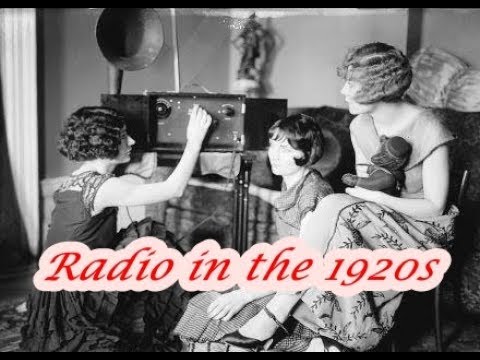
History Brief: Radio in the 1920s
Radio's Rise: A Cultural Revolution
The Early Development of Radio Technology
- Radio emerged as a significant form of entertainment in the 1920s, but its roots trace back to the late 1890s when scientists began experimenting with radio waves.
- Guglielmo Marconi is often credited with patenting the first radio, yet many other inventors contributed to its development before and after him.
The First Commercial Broadcast
- KDKA, a Pittsburgh station, made the first commercial broadcast on November 2, 1920, reporting presidential election results.
- Despite this historic moment, few listeners tuned in due to limited radio ownership at that time.
Rapid Adoption and Popularity of Radio
- By the early 1920s, radio became an essential household item; sales reached approximately $60 million annually by 1922.
- Programming diversified quickly to include news broadcasts, weather reports, music genres (classical and popular), sports events, and fictional shows.
Impact on American Family Life
- Radio transformed family dynamics; families gathered around it for entertainment similar to modern television viewing habits.
- It fostered a national culture where audiences across America shared experiences—listening to music or comedy sketches together regardless of geographic location.
Government Regulation and Criticism
- Initially unregulated by the federal government, increased popularity led to laws like the Federal Radio Act of 1927 which established oversight through the Federal Radio Commission.
- Critics labeled radio as a frivolous distraction that could lead to moral decay and devaluation of information. However, despite skepticism about its societal impact, radio's presence was undeniable.