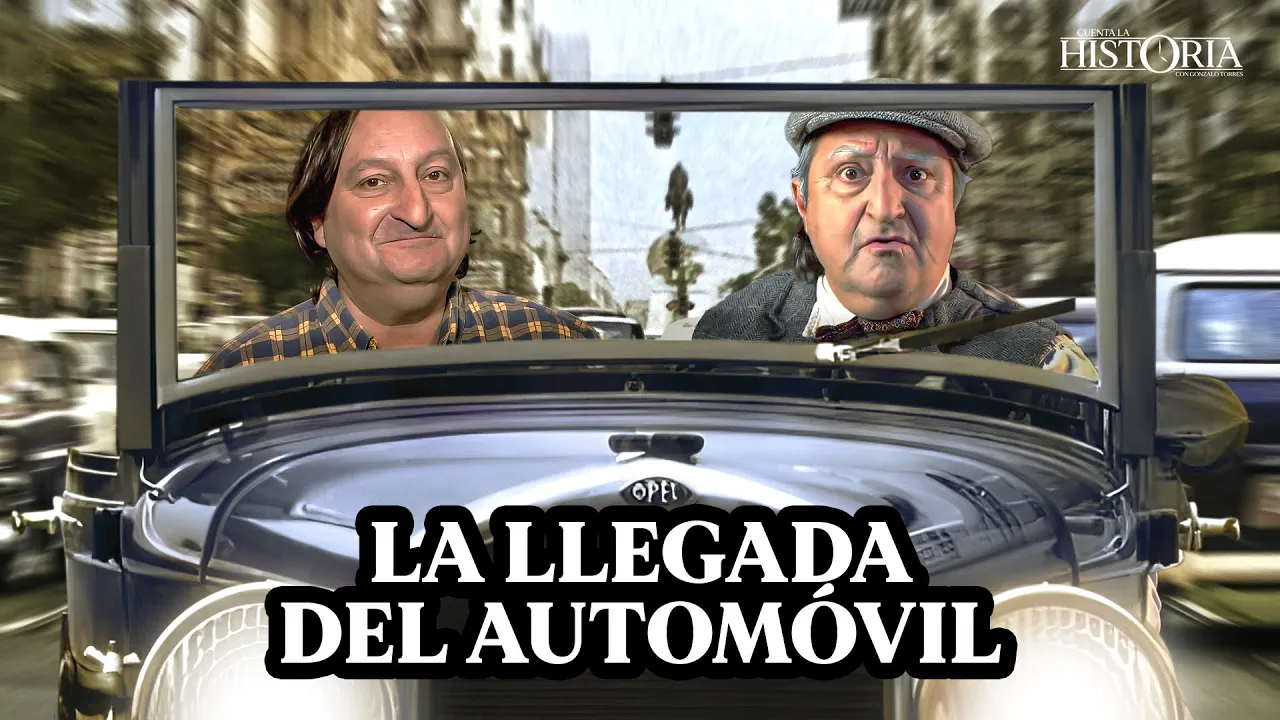
LA LLEGADA DEL AUTOMÓVIL al PERÚ y su impacto en el URBANISMO de LIMA | Cuenta la Historia | EP.7
The Evolution of Automobiles in Lima, Peru
The transcript delves into the historical evolution of automobiles in Lima, Peru, highlighting the impact of automobiles on urban development and societal norms during the early 20th century.
The Introduction of Traffic Lights
- In 1929, the first automated traffic light was installed in Peru at the intersection of Girón Camaná with Nicolás de Piérola.
- The narrator recalls driving a luxurious Richard Brasier two-cylinder gasoline car borrowed from Dr. Ricardo Flores in 1904, emphasizing the novelty and elegance of early automobiles.
Urban Development and Modernization
- Le Guía's modernity advocacy is highlighted through a speech referencing the inauguration of Avenida Alfonso Ugarte in 1928.
- The concept of progress intertwined with automobiles is explored through urban planning initiatives during Le Guía's presidency.
Impact on Society and Infrastructure
- Asphalting roads led to suburban migration by middle and upper classes to areas like Miraflores and Barranco.
- Introduction of American automobile brands like Ford, Dodge, Hudson, and Chrysler caused excitement among residents due to their novelty.
Celebrating Automobile Culture
- In 1928, a grand parade marked the inauguration of new avenues in Lima, showcasing societal enthusiasm for automotive advancements.
- Aviator Carlos Martínez de Pinillos' aerial acrobatics during the parade symbolized public adoration for cars and infrastructure developments.
Conclusion