Fluoroquinolones Mechanisms of Action and Resistance
Understanding DNA Replication in Bacteria
Overview of DNA and Bacterial Division
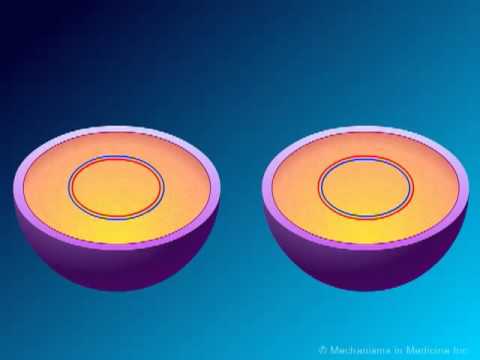
- The animation illustrates the biology of DNA replication leading to bacterial cell division, specifically in Gram-positive bacteria like S. pneumoniae.
- Bacterial DNA is circular and contains the genetic code necessary for protein synthesis and survival.
- Bacteria reproduce through binary fission, where one bacterium divides into two daughter cells.
Mechanism of DNA Replication
- Before division, bacteria must replicate their circular DNA by separating its strands to read the genetic code and create complementary strands.
- Enzymes called helicases break hydrogen bonds between bases, unwinding the DNA strands at replication forks.
- The enzyme DNA polymerase synthesizes new strands complementary to each original strand as replication forks advance.
Role of Topoisomerases
- Positive superhelical twists accumulate ahead of replication forks; these must be removed for continued replication.
- DNA gyrase (topoisomerase II), composed of subunits from gyra and gyrb genes, removes these twists and aids in initiating replication.
- Topoisomerase IV is required to separate newly formed interlinked chromosomes after replication.
Fluoroquinolone Antibiotics: Mechanisms and Resistance
Action Mechanisms of Fluoroquinolones
- Fluoroquinolones are synthetic antibiotics that inhibit bacterial DNA synthesis, leading to cell death.
- These antibiotics primarily target both DNA gyrase and topoisomerase IV; their effectiveness varies based on bacterial type (Gram-negative vs. Gram-positive).
Binding Dynamics
- Fluoroquinolones bind specifically to the complex formed by DNA gyrase and DNA rather than just the enzyme alone, stabilizing this complex which leads to fatal breaks in bacterial DNA.
Resistance Development
- Resistance often arises from spontaneous mutations in chromosomal genes affecting target enzymes like DNA gyrase or topoisomerase IV.
- Mutation frequency can be around 10^-6; resistance depends on mutation location, number, and affected enzyme affinity.
Implications for Treatment
- Mutations that reduce fluoroquinolone binding affinity lead to resistance; some strains may require mutations in both target enzymes for full resistance.