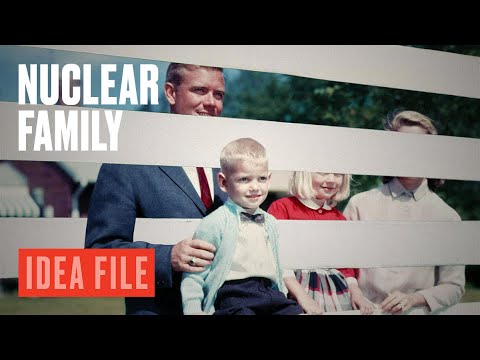
How the Nuclear Family Broke Down
The Evolution of Family Structures in America
Traditional Family Dynamics
- The traditional image of a family is often depicted as a married couple with two-and-a-half kids, but this representation is increasingly rare in modern America.
- Only a minority of American families today fit the traditional nuclear model, indicating a cultural lag in perceptions of family.
Historical Context
- Historically, families served as economic units; for instance, in 1875, 75% of American workers were farmers or involved in small family businesses.
- During the Victorian era, extended families were common and provided moral support and stability during times of crisis.
Rise and Fall of the Nuclear Family
- By 1960, nearly 78% of children lived in nuclear families due to societal pressures promoting this structure.
- The post-war era created favorable conditions for nuclear families: rising wages allowed single-income households while women were largely confined to domestic roles.
Changing Trends
- Since 1965, there has been a significant shift away from stable nuclear families towards more distressed family structures; living alone has doubled over the past fifty years.
- Women continue to bear a disproportionate burden regarding housework and childcare amidst these changes.
Global Perspectives on Family Structures
- Despite shifts in America, globally about 38% still live in extended family units; examples include large households in Gambia and Mexico.
Emergence of Chosen Families
- A notable trend since the 1980s is the rise of chosen families among marginalized communities who seek connection after losing touch with biological relatives.
- Chosen families provide emotional support and unconditional love that transcends traditional familial bonds.
Turn any video into a summary like this
YouTube links, meetings, lectures. With transcripts, search, and chat.