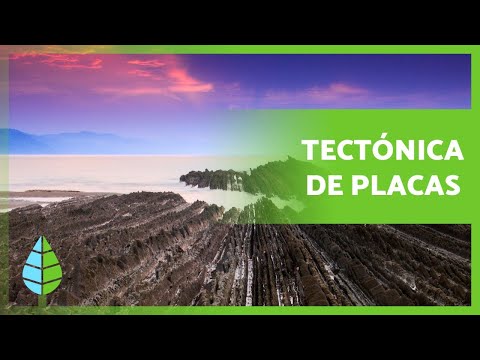
¿Qué son las PLACAS TECTÓNICAS? 🌍 (Definición, Tipos y Consecuencias)
What Are Tectonic Plates?
Definition and Structure of Tectonic Plates
- Tectonic plates are defined as fragments of the lithosphere, which is the solid outer layer of the Earth, with thicknesses reaching up to 100 kilometers.
- These plates float on a viscous layer called the asthenosphere, allowing for lateral movement while remaining rigid except at their edges where modifications occur.
Types of Tectonic Plates
- The lithosphere consists of 14 major tectonic plates and 46 secondary ones; primary plates are larger than secondary ones.
- Tectonic plates can be classified based on their composition:
- Oceanic Plates: Composed mainly of thin oceanic crust rich in iron and magnesium, submerged under oceans.
- Continental/Mixed Plates: Primarily made up of continental crust but also contain oceanic crust; often referred to as continental plates.
How Do Tectonic Plates Move?
Movement Mechanisms
- The exact reasons for tectonic plate movement remain uncertain; however, it is known that this theory developed between the 1960s and 1970s and continues to evolve.
- Key factors influencing plate movement include temperature gradients (geothermal gradient), which create conditions favorable for motion due to varying viscosities in the lithosphere and asthenosphere.
Forces Behind Plate Movements
- Variations in material densities within the Earth's crust lead to gravitational forces that drive different movements among tectonic plates.
Consequences of Plate Movements
Effects on Earth’s Surface
- The movements result in various geological phenomena primarily affecting plate boundaries:
- Volcanoes: Formed by magma rising during separations at divergent boundaries or subduction at convergent boundaries.
- More information about volcano formation can be found in related videos.
- Earthquakes: Occur due to collisions at convergent boundaries or friction along sliding boundaries (transform faults).
- Mountain Formation: Results from obstructions when converging plates collide, causing folds and distortions leading to mountain ranges.
Quiz Question About Tectonic Plates
Interactive Learning Element