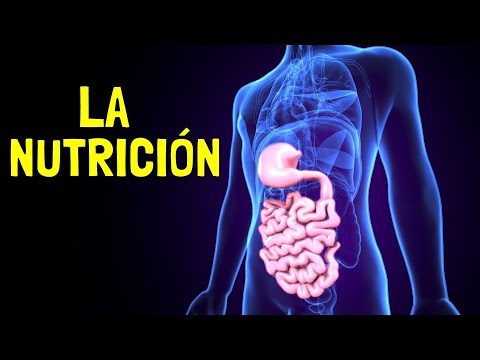
La FUNCIÓN DE LA NUTRICIÓN - Procesos, alimentos y nutrientes
Nutrition: Understanding Its Role and Processes
What is Nutrition?
- Nutrition involves a series of processes that our body undergoes to extract essential elements from food necessary for daily life, growth, energy, and recovery from illness.
- It also refers to the health sciences studying how our body utilizes these elements and maintains a healthy diet.
Importance of Proper Nutrition
- Adequate nutrition allows the body not only to survive but also to replace tissues like skin and recover from diseases.
- Key components for maintaining a healthy body include proper nutrition, regular physical activity, and consistent water intake.
Processes of Nutrition
Four Main Processes
- Digestion: Breakdown of food in the digestive tract into substances usable by the body.
- Respiration: Involves inhaling oxygen and exhaling carbon dioxide to facilitate gas exchange with the environment.
- Circulation: Continuous movement of blood throughout the body driven by heart action.
- Excretion: Removal of waste materials primarily through urine and feces.
Nutritional Needs
Essential Nutrients
- Despite consuming large amounts of food, it’s crucial to understand what nutrients are needed for optimal functioning without excess.
Macronutrients
- Macronutrients include carbohydrates, proteins, and fats which form the bulk of our daily diet:
- Carbohydrates: Primary energy source; includes starches, sugars, and dietary fiber.
- Proteins: Composed of amino acids; vital for tissue repair and growth. Sources include animal products (eggs, meat), dairy, grains, legumes.
- Fats: Concentrated energy sources; important for skin health and cellular structure. Healthy fats come from avocados, nuts, olives.
Micronutrients
Vitamins and Minerals: Essential Nutrients for Our Body
Importance of Vitamins
- Vitamins are crucial for the proper functioning of our body, categorized into fat-soluble (dissolved in fats) and water-soluble vitamins.
- Vitamin A is essential for skin health and immune system function; Vitamin D aids in bone and dental formation while protecting skin from sun damage.
- Vitamin C contributes to the health of teeth and blood vessels, plays a role in wound healing, and enhances resistance to infections.
- B vitamins assist in converting carbohydrates into energy and are vital for maintaining a healthy nervous system.
Role of Minerals
- Minerals are found not only in food but also in drinking water; they help regulate bodily processes and fluid balance.
- Key structural elements of bones and teeth include minerals such as calcium, phosphorus, magnesium, sulfur, sodium chloride, and potassium.