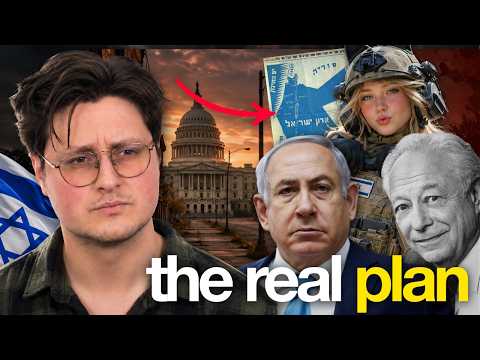
This Secret Letter Exposes Israel’s Cyberattack Plans
Overview of Recent Events
Major Bank Outage and Cybersecurity Concerns
- A significant bank outage occurred affecting major US banks like JP Morgan Chase, Bank of America, Wells Fargo, and US Bank, raising concerns about cybersecurity amidst ongoing global tensions.
- This incident is part of a larger pattern of increasing cyber attacks potentially fueled by AI technology, prompting questions about the underlying causes.
Geopolitical Tensions and Speculations
- The speaker expresses uncertainty regarding potential false flag operations by Israel to provoke conflict with Iran as geopolitical tensions escalate.
- There is a perception that Israel's desperation may lead to drastic measures to achieve its goals in the region.
Military Strategies and Consequences
- Current military strategies against Iran have proven ineffective, leading to discussions about the possibility of ground invasions or nuclear options which are highly controversial.
- The speaker highlights public opposition to war in America, emphasizing the risks involved in any military escalation.
Historical Context: Clean Break Memo and Yanan Plan
Understanding U.S.-Israel Relations
- The discussion shifts towards historical documents like the Clean Break memo and Yanan plan that outline Israel's strategic objectives over decades.
- The speaker argues that U.S. actions on behalf of Israel are not random but part of a long-term strategy influenced by historical events dating back to the 1940s.
Post-War Consensus and American Foreign Policy
- Post World War II dynamics shifted America's role from isolationism to being an interventionist power globally due to changes in geopolitical landscapes.
- The decline of British influence post-war allowed America to inherit roles previously held by colonial powers, shaping its foreign policy approach.
Emergence of Neoconservatism
Ideological Foundations
- Neoconservatism emerged as a response to leftist sentiments during the Cold War, particularly among those disillusioned with Soviet policies towards Israel.
- Key figures like Leon Trotsky represent ideological divides within communism that influenced American leftists' perspectives on international relations.
Impact on Political Discourse
- Trotsky's exile and subsequent assassination symbolize broader ideological struggles within leftist movements that shaped political discourse in America.
- The shift from traditional leftist ideologies towards neoconservatism reflects changing alliances and priorities within American politics during critical historical moments.
Third Worldism: A New Perspective
Defining Third Worldism
- Third worldism arose during the Cold War as newly independent nations sought their place amid superpower rivalries; it represents more than just economic status but also political identity.
Cold War Dynamics
- The Cold War was characterized by competition for influence over third-world countries where both superpowers sought allies through various means including military support or economic aid.
Significance of the Six-Day War
Turning Point in Middle Eastern Politics
- The Six-Day War (1967), marked a pivotal moment for Israeli-Arab relations; it reshaped perceptions among leftists who felt betrayed when Soviet support shifted away from Israel toward Arab nations.
Long-Term Implications
- This betrayal catalyzed a transformation within American leftist circles leading many towards neoconservative ideologies as they grappled with their political identities amidst shifting allegiances.
The Rise of Neoconservatism: Origins and Influences
Background of Key Figures
- Crystal, a history major from secular Eastern European immigrant parents, is linked to the Young People's Socialist League and later becomes part of the New York intellectuals.
- The New York intellectuals, who would evolve into neoconservatives, were primarily anti-Stalinist leftists residing in New York City.
Ideological Shifts
- Initially opposed to the Anglo-American consensus, these intellectuals sought to redefine American identity away from traditional values.
- Their Trotskyite beliefs emphasized socialism's rise in America but shifted as they began to reject both the American establishment and Israel.
Disillusionment with Leftism
- The phrase "mugged by reality" encapsulates their feeling of betrayal as leftism transitioned towards third-worldism.
- They became critical of both the American consensus and Israel, viewing it as a settler colony amidst changing political landscapes.
Transitioning Towards Neoconservatism
Emergence of Neoconservative Thought
- A significant ideological shift occurred where former leftists embraced conservative values centered around faith and family.
- This transformation marked their transition from Marxist ideologies to advocating for Western society and Judeo-Christian values.
Political Realignment
- Despite retaining socially liberal views, they aligned with right-wing politics to achieve their goals after feeling disillusioned by previous affiliations.
- This shift illustrates how individuals can dramatically change political allegiances based on evolving circumstances.
Key Figures in Neoconservatism
Notable Personalities
- Important figures include Irving Kristol, Nathan Glazer, Norman Podhoretz among others who were integral in shaping neoconservative thought.
- These individuals transitioned from socialist roots into influential roles within Washington's think tanks and policy-making circles.
Influence on Policy Making
- Many neocons became involved in various influential organizations like the Council on Foreign Relations that shaped U.S. foreign policy during pivotal moments.
The Yanan Plan: A Strategic Shift for Israel
Introduction of Oded Yinon
- Oded Yinon emerges as a key figure proposing strategies for Israel’s future amid geopolitical tensions during the 1980's.
Conceptual Framework
- His plan advocated for destabilizing neighboring Arab states along ethnic lines rather than direct military confrontation with them.
Land for Peace Doctrine
Historical Context
- Following territorial gains post-Six-Day War (1967), Israel adopted a "land for peace" strategy aimed at achieving diplomatic relations through territorial concessions.
Dilemmas Faced
- By 1980, Israel faced challenges due to limited land available for negotiation after returning territories previously occupied during conflicts.
Netanyahu's Ascendancy: Clean Break Memo
Netanyahu’s First Term
- Benjamin Netanyahu’s election victory in 1996 marked a pivotal moment leading to new political strategies influenced by neoconservative ideals.
Clean Break Memo Overview
- The Clean Break memo presented strategic recommendations aligning closely with Yinon's ideas about reshaping regional dynamics through U.S. involvement.
1996 Neoconservatism and Its Influence on U.S. Government
The Rise of Neoconservatives in Government
- By 1996, key figures associated with neoconservatism held significant positions within the U.S. government, influencing policy decisions.
- Notable individuals from the Trotskyite group transitioned into neoconservative roles, contributing to a shift in political ideology.
- Many of these intellectuals established influential publications and engaged deeply in academia and politics, shaping public discourse.
- Irving Kristol and others became prominent think tank members, further embedding their ideas into governmental frameworks.
- Douglas Feith emerged as a pivotal figure, later recognized as an architect of the Iraq War through his involvement in strategic planning.
The Clean Break Memo and Its Implications
- The "Clean Break" memo outlined strategies for Israel to assert dominance over its regional adversaries by destabilizing neighboring countries.
- This strategy aimed to liberate Israel from reliance on U.S. aid while simultaneously addressing perceived threats from nations like Iraq and Iran.
- Iraq was identified as the first target for destabilization under this plan, setting the stage for future military interventions.
Saddam Hussein: A Complex Figure
- Saddam Hussein is portrayed as a strongman leader who defied Western powers, embodying resistance against U.S. influence in the region.
- His attempts to rebuild Babylon symbolized both national pride and direct opposition to Israeli interests, marking him as a significant adversary.
- Hussein's actions were seen as provocative towards Israel; he sought to reclaim historical narratives tied to ancient civilizations.
The Strategic Importance of Iran
- Iran is positioned as the ultimate adversary within Israeli strategic plans due to its historical significance and military capabilities compared to other Middle Eastern nations.
- Unlike other regional states formed post-colonialism, Iran has maintained continuous borders and identity for thousands of years, making it uniquely formidable.
Consequences of Military Engagement with Iran
- Engaging militarily with Iran could lead to catastrophic consequences not only for American forces but also for regional stability given its extensive military resources.
- If successful in neutralizing Iranian power through conflict or sanctions, Israel could potentially escape its pariah status on the global stage by becoming an unsanctionable state.
Critical Insights on Israel's Geopolitical Power
Theoretical Control of Key Resources
- Discussion on the hypothetical scenario where Israel controls significant oil pipelines and the Strait of Hormuz, impacting global shipping routes.
- Emphasis on the immense power this control would grant Israel, making it a central player in global geopolitics due to its strategic location.
Historical Context of Jerusalem
- Explanation of Jerusalem's historical significance as a pivotal point in world geography, referred to as the "Middle East."
- Assertion that if Israel were to gain such power, it could escape international sanctions and achieve unprecedented wealth.
Economic Implications for Israel
- Speculation about how newfound wealth could lead to every Israeli becoming financially prosperous, altering regional dynamics significantly.
- Mention of religious motivations behind political actions, particularly regarding the construction of a third temple and its implications for Palestinian displacement.
Potential Reactions from Muslim Nations
- Anticipation of backlash from Muslim-majority countries if Al-Aqsa Mosque were destroyed for temple construction, leading to potential military responses.
- Commentary on how economic dependencies might limit these nations' ability to act against Israel despite outrage over religious sites.
Broader Consequences and Warnings
- Warning about witnessing the rise of an Israeli Empire and its implications for global leadership dynamics.
- Call for vigilance among viewers regarding misinformation related to geopolitical conflicts involving Iran and Israel.
The Role of Faith in Current Events
Importance of Awareness
- Urging listeners not to believe narratives blaming Iran for conflicts without critical examination.
Rationality in Political Actors
- Assertion that current actors are not rational; they may prioritize ethnoreligious goals over human lives in their political strategies.
Personal Reflections on Faith
Connection with God Amidst Chaos
- Encouragement for viewers to maintain faith during turbulent times while acknowledging personal struggles with anxiety about world events.
Personal Testimony
- Sharing personal beliefs about God's guidance through life's challenges and emphasizing a relationship with Jesus Christ as a source of strength.
Life Lessons Through Adversity
Personal Journey
- Narration about failing out of law school and how it redirected life towards media creation instead.
Divine Guidance
- Reflection on how past hardships led to current opportunities, attributing success to divine intervention rather than mere chance.
Cultural Identity and Values
Influence from Family Background
- Discussion on how familial values shaped beliefs around American identity and patriotism despite differing political views within family members.
Foundational Principles
- Emphasis on Enlightenment-era values as essential components defining America’s identity beyond just demographics or genetics.
America's Unique Identity
Synthesis of Ideas and Heritage
- Argument that America's identity is rooted both in its cultural heritage (Anglo stock background), as well as foundational ideas established by the founding fathers.
Understanding American Identity and Historical Context
The Misunderstanding of Political Affinity
- The speaker discusses the disconnect between certain individuals' perceptions of political affinity, particularly regarding differing views on historical figures like Will and Fuentes.
- Emphasizes that while there are disagreements, a high IQ breakdown of American history is essential for understanding political discourse beyond mere "vibes."
The Role of Religion in American Society
- Highlights the Protestant work ethic as foundational to America's prosperity, noting the historical anti-Catholic sentiment that shaped religious dynamics.
- Argues that without Americanism, distinctions between Protestant and Catholic identities would remain starkly divided.
Historical Changes in Religious Perception
- Discusses Vatican II's impact on Catholicism in America, suggesting significant shifts occurred post-1965 that altered public perception.
- Questions whether audiences grasped the historical context presented in films like "Gangs of New York," which illustrates societal progress over time.
Cultural Integration and Identity Formation
- Asserts that Catholicism's acceptance in America stems from efforts toward Americanization rather than inherent compatibility with native populations.
- References historical warnings against foreign influence, specifically relating to perceptions of the Vatican among Native Americans.
Race as a Social Construct
- Explains race as a categorization based on ethnicities rather than purely biological definitions, emphasizing its social implications throughout history.
- Notes how early Americans classified various groups (e.g., Turks from North Africa) under the umbrella of "white," challenging modern interpretations.
Historical Contextualization of Whiteness
- Discusses how founding fathers viewed different ethnic groups within their racial classifications, complicating contemporary understandings of whiteness.
Implications for Modern Identity Politics
- Critiques current identity politics by illustrating how socialization impacts individual identity formation regardless of genetic background.
Nuanced Perspectives on Ethnic Identity
- Addresses anti-white sentiments from leftist ideologies while arguing for a more nuanced understanding that transcends biological determinism.
Conclusion: The Complexity of American Identity
- Concludes with an assertion about the beauty and importance of American identity as a blend of biological reality and philosophical thought.
Turn any video into a summary like this
YouTube links, meetings, lectures. With transcripts, search, and chat.