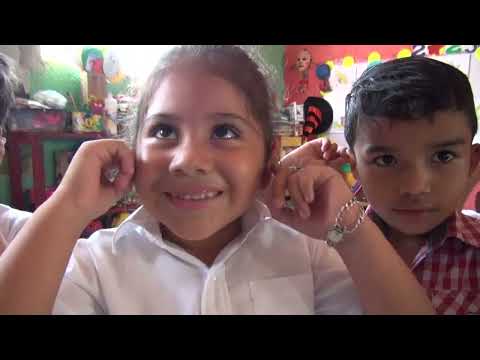
Juegos y Expresión Dramática en Educación Inicial
Understanding Dramatic Play and Expression in Early Childhood
The Role of Dramatic Play
- Dramatic play involves children taking on various roles, allowing them to represent characters, situations, and objects through body language as their primary means of expression.
- Children develop their expressive resources by exploring and imitating others, which helps them organize a system of signs that constitute body language, including gestures and movements.
Social Influences on Expression
- As children grow and interact socially, their forms of expression evolve; they begin to recognize and adopt new qualities influenced by societal norms.
- Children often express emotions through gestures rather than words, using their bodies as tools for communication while developing a sense of bodily awareness that aids social integration.
Benefits of Dramatic Expression
- Dramatic expression serves as a powerful tool for children to discover their abilities naturally, facilitating appropriate language development through exploration and dialogue.
- In educational settings, dramatization allows children to express thoughts and feelings creatively while building significant symbols related to their interests.
Imagination and Identity Construction
- Through dramatic play, children engage in spontaneous expressions that enhance creativity and imagination while constructing their identities based on real-life observations.
- Theater is viewed as a form of play where children experiment with new situations that contribute to identity formation regarding how they feel and think.
Importance of Parental Involvement
- Engaging in dramatic play enhances children's communication skills at the preschool level; it fosters imagination and creativity essential for holistic development.
- Parents' involvement is crucial in education; they provide confidence that supports children's overall growth during learning experiences.
Educational Advantages of Dramatization
- Dramatization promotes child development by making learning enjoyable; it encourages participation through artistic expression like drama.
- Integration into preschool can significantly improve children's sociability; teachers facilitate this process effectively for all students involved.
Innovative Teaching Through Theater in Education
The Role of Theater in Classroom Innovation
- Recognizes theatrical practices in the classroom as innovative tools that provide pedagogical benefits, stimulating children through playful activities involving facial expressions, mood states, simple dances, rhythmic movements, and dynamics.
- Emphasizes selecting simple and educational stories or themes from everyday life to promote participation among children.
- Encourages freedom for children to choose characters they wish to represent without rigid scripts, allowing for expression through drama and improvisation.
Emotional Expression and Social Interaction
- Highlights how dramatic arts allow children to express feelings and emotions while socially interacting through various strategies like puppet shows, storytelling presentations, role-playing games, songs, poetry, and character imitation.
- Discusses the importance of unique interactions that help children build their identity through engagement with themselves, family members, peers, teachers, and educators.
Learning Through Play
- Stresses that play is essential for preschool education; it allows children to be active participants who express their imagination and experiences.
- Notes that play enables self-expression where children's potential can be fully developed.
Understanding Dramatic Play Strategies
- Urges educators to understand strategies based on dramatic play for developing empathy and better comprehension among peers.
- Observations by facilitators are crucial in assessing competencies developed during these activities as children interpret reality through games and drawings.
Holistic Development Through Engagement
- Points out the significance of fostering creativity in children's development via dramatized play which enhances their imaginative capabilities.
- Describes a model (mayid), facilitating children's involvement across cognitive, physical, emotional, and social dimensions.
Building Social Skills
- Illustrates changes observed when a child learns respect for others while establishing relationships based on dialogue and collaboration within team settings.
Parental Involvement in Early Education
- Discusses the role of parents in preparing children for initial education outside the home by recognizing factors such as maturity or special conditions affecting readiness.
- Suggest ways parents can support early learning through fun activities like drawing or engaging in artistic endeavors alongside routine tasks that contribute to learning.
Importance of Independence
- Highlights how independent behavior evolves during early education as children learn to manage fears related to unfamiliar situations while adapting habits conducive to future schooling environments.
The Importance of Positive Relationships in Child Development
Role of Parents and Caregivers
- Parents should actively seek the best for their children by fostering positive interactions. The relationships that children establish with family members, peers, and teachers are crucial for their development.
- Positive emotional connections significantly enhance children's emotional and social development. These early experiences have lasting effects into adolescence and adulthood.
Impact of Early Experiences
- The quality of relationships formed during childhood has persistent, meaningful impacts on behavior later in life. This underscores the importance of nurturing environments provided by parents, caregivers, and educators.