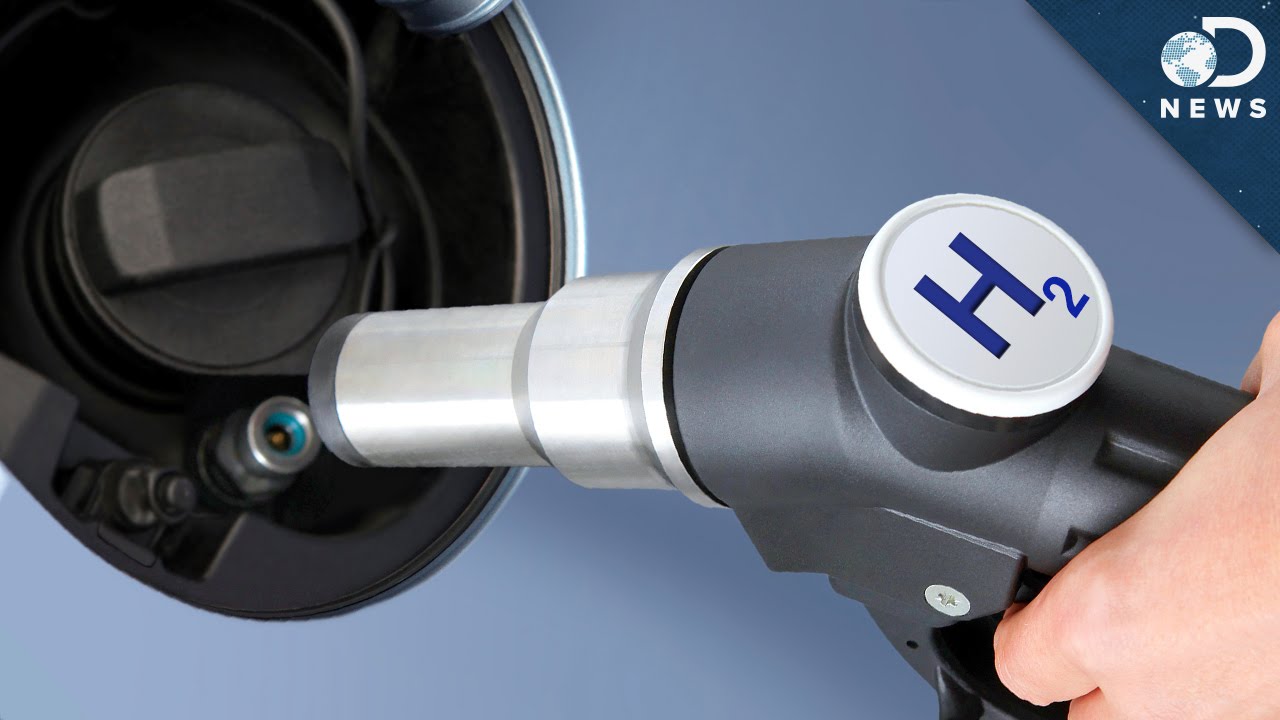
How Hydrogen Fuel Is Made
Hydrogen Fuel Cell Vehicles: The Future of Transportation?
This section introduces the concept of hydrogen fuel cell vehicles and explores the potential for hydrogen as a clean energy source in transportation.
Hydrogen as a Fuel Source
- Hydrogen, being number 1 on the periodic table, is a powerful combustible element that makes up 75% of the universe. It is used in various industrial applications and food processing.
- Hydrogen fuel cells, invented in 1839, use oxygen and hydrogen to power cars without moving parts, emitting only clean water vapor when burned. The U.S. produces over 9 million metric tons of hydrogen annually.
Challenges and Production Methods
- Most of America's hydrogen (95%) is produced through natural gas steam reformation, which generates both hydrogen (positive) and carbon oxides (negative).
- Electrolysis can also be used to produce hydrogen by splitting it from oxygen using electricity. However, generating this electricity often involves coal power in the U.S., hindering sustainability efforts.
Challenges in Hydrogen Fuel Adoption
This section delves into the challenges associated with producing and distributing hydrogen fuel for vehicles.
Production Challenges
- Current methods of producing hydrogen involve fossil fuels, leading to environmental concerns due to reliance on coal power for electricity generation.
- Cooling, storing, and transporting hydrogen require additional fossil fuel energy inputs through trucks and trains, highlighting inefficiencies in the current system.
Future Prospects: Expansion of Hydrogen Infrastructure
This section discusses future initiatives aimed at expanding infrastructure for hydrogen fuel cell vehicles.
Infrastructure Development
- Government and private sector partnerships aim to establish more fueling stations to support the growth of hydrogen vehicles. California has set a goal for zero-emissions vehicles by 2025 with significant investments in building new fueling stations.