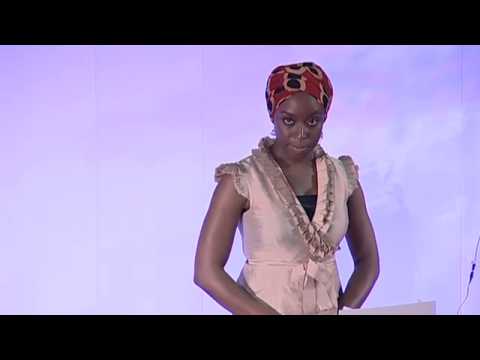
TED - O perigo de uma história única - Chimamanda Adichie - Dublado em português
The Danger of a Single Story
Personal Background and Early Influences
- The speaker shares her identity as a storyteller, emphasizing the importance of diverse narratives. She grew up on a university campus in Eastern Nigeria.
- She describes herself as an early writer, starting at age seven with stories featuring characters that were predominantly white and lived in environments she could not relate to.
- The contrast between her reality (living in poverty without snow or apples) and the stories she read highlights how literature shaped her understanding of the world.
Discovering African Literature
- The speaker reflects on how impressionable children are when exposed to literature, noting that for years she believed books had to be foreign and unrelatable.
- A turning point occurred when she discovered African writers, which broadened her perception of literature to include characters like herself—girls with chocolate skin and curly hair.
- This discovery allowed her to write about familiar experiences, moving away from solely American and British influences.
Class Dynamics and Empathy
- Growing up in a conventional Nigerian middle-class family, the speaker discusses class dynamics through her experience with their houseboy named Fide.
- Her mother emphasized empathy by reminding them of Fide's family's poverty whenever they wasted food, instilling a sense of responsibility towards others less fortunate.
- A visit to Fide's village revealed his family's ability to create beautiful crafts, challenging her preconceived notions about their poverty.
Misconceptions About Africa
- Years later, upon moving to the United States for college at 19, she faced misconceptions from peers who held narrow views about Africa based on stereotypes.
- Her American roommate was surprised by her English proficiency and expressed disappointment when expecting "tribal music," showcasing ignorance about Nigeria's cultural diversity.
Identity Formation Through Narrative
- The speaker notes that before moving abroad, she did not consciously identify as African; however, this changed once in America where people often turned to her regarding African topics.
- Embracing this new identity came with frustration over generalizations made about Africa being treated as a single entity rather than a continent with diverse cultures.
Reflection on Western Narratives
- She acknowledges that if she had only been exposed to popular images of Africa prior to living there, she too might have viewed it through a lens of tragedy and helplessness.
Understanding the Power of Narrative
The Impact of Single Stories
- The speaker reflects on John Locke's imaginative writing, noting it marks the beginning of a tradition of African storytelling in the West, often framed negatively.
- The speaker observes that their American roommate likely encountered various versions of a single narrative about Africa, which can lead to misconceptions about authenticity in African literature.
- A professor criticized the speaker's characters for not being "authentically African," highlighting issues with representation and stereotypes in storytelling.
- The speaker shares personal experiences regarding immigration narratives, emphasizing how media portrayals can reduce complex identities to simplistic stereotypes.
The Danger of One-Dimensional Narratives
- Upon visiting Mexico, the speaker felt shame after realizing they had internalized a singular negative story about Mexicans as immigrants.
- This realization led to an understanding that repeated exposure to one narrative shapes perceptions and reduces people to mere objects or stereotypes.
- Discussing power dynamics, the speaker emphasizes that who tells stories and how they are told significantly influences societal narratives and perceptions.
Reframing Historical Context
- Citing Palestinian poet Moe de Barbute, the speaker illustrates how starting a story from different perspectives can drastically alter its meaning (e.g., focusing on Native Americans before British arrival).
- They argue that framing African history through colonialism rather than post-colonial realities leads to incomplete understandings of contemporary issues.
Personal Reflections on Identity and Storytelling
- In response to criticism about Nigerian men being portrayed negatively in literature, the speaker draws parallels with American representations in media.
- They reflect on their own upbringing—filled with both joy and trauma—highlighting how diverse experiences shape identity beyond negative narratives.
Complexity Beyond Stereotypes
- The speaker critiques the notion that only tragic stories define identity; they stress that such views oversimplify rich cultural tapestries.
- They recount personal losses due to political instability but emphasize these do not encompass their entire experience or identity.
Exploring Shared Humanity and Storytelling
The Impact of Dignity and Recognition
- The speaker discusses how the loss of dignity can hinder the recognition of our shared humanity, emphasizing differences over similarities.
- They reflect on the importance of diverse narratives, suggesting that a broader representation of African stories could foster understanding.
Personal Connections to Literature
- A personal anecdote is shared about an encounter with a woman who expressed her thoughts on the speaker's novel, highlighting public engagement with literature.
- The speaker notes that despite not having read their book, this woman felt entitled to comment on its sequel, illustrating the deep connection readers have with stories.
Cultural Resilience and Innovation
- The discussion shifts to contemporary Nigerian music and cultural expressions that blend various influences, showcasing creativity amidst challenges.
- An example is given regarding a lawyer challenging outdated laws in Nigeria, representing societal progress and women's rights advocacy.
Entrepreneurship Amidst Challenges
- The speaker mentions innovative Nigerians starting businesses despite systemic failures, reflecting resilience and ambition within the community.
- They acknowledge common frustrations related to infrastructure but also celebrate the perseverance of Nigerians thriving against adversity.
Commitment to Education and Storytelling
- The establishment of a non-profit organization aimed at building libraries and promoting literacy is discussed as a means to empower communities through storytelling.
- Emphasizing the power of stories, they argue that narratives can either oppress or liberate people’s dignity, advocating for their transformative potential.
Conclusion: Stories as Tools for Empowerment
Turn any video into a summary like this
YouTube links, meetings, lectures. With transcripts, search, and chat.