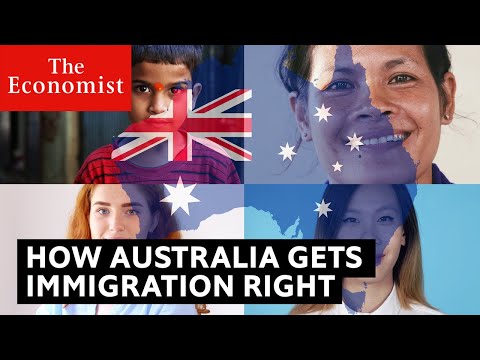
How to get migration right
Understanding Global Migration
This section discusses the perception of migrants in the media and their actual share in the world's population. It also highlights the potential economic benefits of increased migration.
The Perception vs Reality of Migration
- Migrants make up only around 3.5% of the world's population, with refugees accounting for 10% of that.
- The majority of migrants are economic migrants rather than refugees.
- If more people were allowed to work where they wanted, it is estimated that the world's GDP would double.
Challenges and Debates on Migration
- Many people in rich countries are reluctant to allow more people in due to fears and concerns.
- The debate on migration often oscillates between fear mongering and moralizing.
Government Actions for Effective Migration Policies
This section explores what governments can do to manage migration effectively, using Australia as an example.
Australia's Successful Approach to Migration
- Almost a third of people in Australia were born somewhere else, making it a country with a high migrant share of its population.
- Australia has experienced significant economic growth and cultural diversity due to its openness to migration.
- Its successful economy is partly attributed to its openness to foreign talent and diverse trading connections.
Benefits of Migration for Australia
This section focuses on the benefits that migration has brought to Australia.
Economic Growth and Cultural Enrichment
- Australia's population has doubled since the 1970s, while its economy has grown 22-fold.
- The country has not experienced a recession for 28 years, partially thanks to its openness to foreign talent.
- Cultural diversity has made Australia an exciting and interesting country, with various languages spoken and ideas exchanged.
Personal Perspectives on Migration
This section presents personal stories and perspectives on migration in Australia.
A Global Perspective
- Some migrants prefer to identify themselves as global citizens rather than solely as migrants.
- Moving to Australia from India provided new opportunities and a fresh perspective for some individuals and families.
Evolution of Australian Immigration Policies
This section discusses the evolution of immigration policies in Australia, moving away from favoring Europeans towards a more inclusive system.
From the White Australia Policy to Colorblindness
- Until the 1970s, Australia had immigration rules that favored Europeans, known as the White Australia Policy.
- Since then, the country has adopted a colorblind approach, leading to an increase in migrants from China and India.
Managing Migration Levels
This section explores how countries can manage migration levels effectively.
Balancing Influx and Institutional Stability
- It is crucial not to have such a sudden influx of migrants that it undermines the institutions that make rich countries successful.
- However, evidence shows that countries like Australia can manage higher levels of migration successfully.
The Australian Points-Based System
This section explains how Australia's points-based system works for selecting migrants.
Selecting Skilled Migrants
- The points-based system allows individuals to express their interest in migrating to Australia based on qualifications, age, English proficiency, skills, and work experience.
- Those with the highest number of points are invited to apply for permanent residency in Australia.
Points-Based Systems in Other Countries
This section compares Australia's points-based system with those of other countries.
Points-Based Systems in Other Countries
- Australia, Canada, New Zealand, and a few other countries use points-based systems to increase immigration.
- These systems allow governments to prioritize certain characteristics and industries for migration.
Challenges and Criticisms of the Points-Based System
This section discusses challenges and criticisms related to Australia's points-based system.
Finding Employment as a Migrant
- Getting the first job in Australia can be challenging, depending on one's background and experience.
- Most migrants in Australia find work within 18 months, but critics argue that employers should have more say in selecting migrants.
Migration Policies in Other Rich Countries
This section compares migration policies in rich countries, particularly focusing on the United States.
Restrictive Policies in Other Rich Countries
- It is generally difficult for individuals from poor countries to migrate legally to rich ones unless they have a well-paid job offer or close relatives who are citizens.
- The United States has a more restrictive and less selective immigration system compared to Australia.
The transcript provided does not include any additional information.
Demand for Visas and Immigration Challenges
This section discusses the high demand for visas and the challenges faced by different countries in managing immigration.
Visa Allocation by Lottery
- The demand for visas is so high that some countries allocate them through a lottery system.
Border Control Challenges
- The United States faces challenges with illegal immigration due to its border with Latin America. In contrast, Australia, being an island, has stricter control over who enters the country.
- Australia's selective approach to immigration allows them to be more generous as they have better control over who comes into the country. Public opinion towards immigrants in Australia is generally positive.
Attitudes Towards Migration
- While most Australians are welcoming towards immigrants, there is still a significant number of people who want to slow down migration. This attitude is not unique to Australia but exists worldwide.
- Apprehension about migration often stems from personal concerns about potential lifestyle changes.
Addressing Economic Concerns
- Governments can adopt policies that ensure migrants pay their way, such as implementing a migrant tax or restricting access to welfare benefits. This can help address economic complaints about migration and change public perception from seeing it as a hassle to an opportunity.
Cultural Integration
- Rapid migration can lead to cultural disruptions and fears of lack of assimilation among refugees and migrants clustering in certain neighborhoods. Governments can encourage immigrants to learn the local language and understand the culture to address these concerns.
Overcoming Objections
- Australia's experience shows that a country can successfully manage high levels of immigration without negative consequences predicted by nativists.
Governments need to demonstrate that they have control over who enters the country and that migrants contribute more than they take.
Conclusion and Further Resources
This section concludes the discussion on migration and provides further resources for those interested in learning more.
- Governments need to show voters that they have control over immigration and that migrants contribute positively to society. When these conditions are met, voters may be more open to increasing immigration levels.
- To learn more about migration, you can click the link provided for additional economists' coverage, research data, and studies used in the video. Don't forget to subscribe for more films like this.
Turn any video into a summary like this
YouTube links, meetings, lectures. With transcripts, search, and chat.