La pregunta como herramienta
How to Ask Questions Effectively
Importance of Questioning
- This video serves as a complement to practical exercises with facilitators, emphasizing the significance of how we ask questions to connect with individuals and support them in their stories.
- Two fundamental elements are highlighted: connecting with the person's story and their emotions, which are crucial for effective questioning.
Supporting Victims' Narratives
- The tool discussed is rooted in social constructivism and systemic models, focusing on narrative approaches to help victims of armed conflict build hopeful life stories.
- Conversations aimed at supporting victims can help them transition from narratives filled with pain to more hopeful ones that allow for future possibilities.
Practical Application of Questioning Techniques
- Participants are encouraged to practice new questioning techniques in their daily lives, integrating these methods into their lexicon.
- The narrative approach aims to shift identities from victimhood to survival, enabling individuals to reclaim agency over their lives.
Types of Questions
- Different types of questions are introduced: linear (cause-effect), circular (connections between events), strategic, and reflexive. Each type serves distinct purposes in facilitating deeper understanding.
- A critical distinction is made between questions that inform the facilitator versus those that encourage self-reflection in the individual being supported.
Conclusion on Effective Questioning
- Understanding the difference between linear and circular thinking is essential for crafting impactful questions that foster self-awareness and personal growth among individuals navigating difficult experiences.
Understanding Different Types of Questions in Facilitation
Linear Questions
- Linear questions place the facilitator in a researcher's role, gathering straightforward information about the respondent's background (e.g., where they live, their age).
- These questions typically yield concrete answers and are often cause-and-effect oriented, providing context but not facilitating deeper engagement or reflection.
- While linear questions are useful for obtaining basic information, they do not promote personal growth or recovery processes for the individual being questioned.
Strategic Questions
- Strategic questions imply potential answers within them and aim to guide individuals toward specific reflections or actions.
- They can be confrontational; thus, facilitators must use them carefully to avoid disrupting trust with the person they are supporting.
- Examples include inquiries that challenge individuals to consider alternative actions or perspectives regarding their situations.
Circular Questions
- Circular questions encourage exploration of relationships within a system (family/community), helping individuals connect past experiences with current feelings.
- These questions seek to uncover how different family members react to changes and events, promoting internal connections and insights.
- An example might involve asking who in the family feels most affected by certain events, prompting deeper reflection on relational dynamics.
Reflective Questions
- Reflective questions delve into self-observation and awareness, encouraging individuals to recognize previously unnoticed beliefs or limitations.
- They facilitate a shift from victimhood to survivorship by highlighting personal resources and aspirations tied to one's narrative.
- [] (No timestamp provided for examples of reflective questions.)
Understanding Resilience in Adversity
The Importance of Family Legacy and Community Sharing
- Discusses the desire for children to feel proud of how their parents have handled difficult situations, emphasizing the importance of family legacy.
- Encourages sharing experiences with the community about overcoming violent events or displacement, highlighting personal growth and resilience.
Focusing on Meaning Over Events
- Stresses that conversations should focus more on the significance of experiences rather than just recounting factual details.
- Emphasizes that understanding the implications of past events is crucial for emotional recovery and building alternative narratives.
Storytelling Elements in Conversations
- Introduces Michael White and David Stone's framework for storytelling, which includes elements like events, characters, and themes.
- Warns against overly detailed recounting of events without reflecting on their meanings or lessons learned.
Exploring New Meanings from Past Experiences
- Suggests asking reflective questions about past experiences to uncover new insights and potential future aspirations.
- Highlights the importance of honoring loved ones through actions taken in their memory as a means to aid emotional recovery.
Navigating Conversations: Past, Present, Future
- Notes that conversations can shift between timeframes (past, present, future), guided by what individuals wish to share.
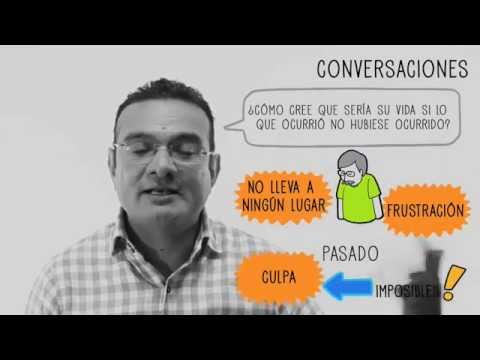
- Advises using reflective questions to help individuals find solutions based on their past resources while being mindful not to dwell on unchangeable past scenarios.
Utilizing Resources from Past Experiences
- Encourages exploring personal resources developed through previous challenges as tools for current situations.
- Warns against hypothetical questions about alternate realities that may lead to frustration rather than constructive reflection.
Supportive Conversations and Present-Focused Storytelling
Importance of Present Focus in Conversations
- Emphasizes the significance of focusing on the present during conversations, especially when discussing personal histories. Many cultures stress living in the moment as past events are unchangeable and future outcomes are uncertain.
Understanding Personal Histories
- Highlights that individuals often carry vivid memories of their traumatic pasts, which can affect their current lives. The goal is to explore how these experiences impact their present situation.
Utilizing Life Witnesses for Insight
- Suggests involving witnesses from a person's life who can provide insights into their strengths and abilities that may have emerged due to past experiences. This helps in recognizing personal growth.
Self-Recognition Through Reflection
- Encourages asking reflective questions that allow individuals to recognize their own bravery and resourcefulness, fostering self-awareness about their capabilities developed through adversity.
The Role of Positive Reinforcement from Others
- Discusses how external perspectives from loved ones can positively influence an individual's self-image. When asked what advice they would give someone they care about, responses typically encourage resilience and strength.
Addressing Current Challenges Rooted in Past Trauma
- Notes that issues stemming from political violence may manifest as relationship problems or job insecurity today, leading to significant anxiety for those affected.
Future-Oriented Questions for Empowerment
- Proposes asking forward-looking questions to help individuals envision a more empowered future, encouraging them to see beyond current challenges by imagining positive outcomes over time.
Connecting Present Actions with Future Goals
- Stresses the importance of linking present actions with desired future scenarios. It encourages individuals to identify steps they can take today towards achieving long-term aspirations.
Avoiding Prescriptive Advice
- Warns against giving direct advice since it places responsibility on the advisor if things go wrong. Instead, it promotes helping individuals discover their own resources through conversation.
Engaging Reflective Questions for Healing
- Highlights the effectiveness of reflective questioning when working with families affected by violence or loss. Such questions help integrate absent loved ones' perspectives into healing narratives.
Visualizing Potential Through External Perspectives
- Explains how asking what deceased family members might say about someone's current life can foster a positive self-image and potential realization among survivors.
Practical Application of Supportive Questioning Techniques
- Encourages practicing supportive questioning techniques regularly to incorporate them into daily interactions effectively, enhancing conversational skills over time through consistent application.
Understanding Mechanical Practices
Exploring the Role of Mechanics in Practice
- The discussion emphasizes the importance of mechanics in practical applications, suggesting that participants should focus on how they apply mechanical principles in their actions.
- Participants are encouraged to engage with a facilitator to develop exercises that enhance their awareness of mechanical practices.
- The session aims to bridge theoretical knowledge with practical execution, highlighting the need for experiential learning.
- There is an invitation for collaboration among participants to explore and reflect on their mechanical approaches during the exercises.
- The overall goal is to foster a deeper understanding of how mechanics influence decision-making and actions within various contexts.