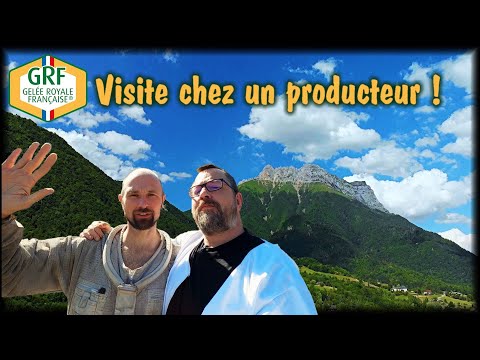
GELÉE ROYALE FRANÇAISE - Visite en Savoie chez Michaël Gourreau
Introduction to Royal Jelly Production in Savoie
Overview of the Visit
- The video features a visit to Michaell Gourot's farm in Savoie, where he produces royal jelly as part of his beekeeping operation.
- Michaell welcomes viewers and introduces the focus on royal jelly production alongside honey.
Beekeeping Environment
- The setting is described as an artisanal zone with various buildings surrounding the apiary. This environment supports beekeeping activities without disturbances from urban areas.
- Michaell explains that they also engage in queen bee breeding, which is integral to their operations.
Understanding Royal Jelly Production Process
Initial Steps in Royal Jelly Production
- The process begins by collecting larvae less than 12 hours old from specific hives known as "pourvoyeuses." These are essential for ensuring high-quality royal jelly.
- Michaell outlines that the collection of larvae occurs early in the morning, emphasizing timing for optimal results.
Greffage and Raising Queens
- After collecting larvae, they are transferred into special hives referred to as "ruches à gelée" for further development over three and a half days before harvesting royal jelly cells.
- The importance of using young larvae is highlighted; younger larvae yield better quality royal jelly due to reduced contamination risks during cell formation.
Detailed Workflow of Beekeeping Operations
Routine and Scheduling
- Michaell describes a structured routine involving two main days dedicated to royal jelly production each week: Mondays and Fridays, with specific times allocated for different tasks throughout these days.
- He emphasizes maintaining an orphaned section within hives to facilitate larval collection while ensuring queen bees remain productive elsewhere in the hive setup.
Quality Control Measures
- To ensure high-quality output, only frames containing very young larvae (less than 12 hours old) are selected for greffage, reinforcing quality control practices within their operations.
Challenges and Adaptations in Beekeeping
Seasonal Adjustments
- As seasons change, there are noticeable fluctuations in bee populations and productivity; this affects how many colonies can be maintained effectively throughout the year.
- Michaell discusses challenges faced at season's end when fewer bees remain active compared to springtime when colonies are robust and thriving with activity.
Genetic Considerations
- Specific genetic lines of bees are chosen based on their ability to produce high-quality royal jelly; this selection process is crucial for sustaining production levels year-round.
Insights into GPGR (Groupement des Producteurs de Gelée Royale)
Formation and Support Structure
- Michaell shares insights about GPGR’s role in supporting producers through training programs, resources like books, videos, and community gatherings aimed at improving practices among beekeepers across France.
Quality Assurance Standards
- The GPGR has established standards regarding storage conditions for royal jelly—maintaining it between 2°C - 4°C ensures product integrity up to 18 months post-harvest if stored correctly before sale or distribution.(863)[(863)]
Conclusion: Commitment to Quality
Customer Satisfaction Focus
- Emphasizing customer satisfaction is paramount; all products must meet consistent quality standards so consumers can trust what they purchase regardless of where it comes from within France.(1210)[(1210)]
This structured approach not only highlights key processes involved but also reflects on broader themes such as sustainability, quality assurance, and community support within the realm of apiculture focused on royal jelly production.
What Are the Challenges of Beekeeping in Mountainous Regions?
Initial Steps in Beekeeping
- The speaker discusses the importance of breaking cells when starting beekeeping, particularly for colza and mountainous regions.
- They express that managing bees in mountainous areas feels like a monumental task due to the unique challenges presented by the environment.
Honey Production and Seasonal Timing
- The speaker mentions that transhumance is exhausting, but during COVID, travel was easier due to fewer people on the roads.
- They explain their honey production process, including pollen collection which yields about 100 kg annually, emphasizing careful storage and mixing for consistency.
Product Offerings and Customer Engagement
- The speaker introduces their shop, open only on Saturday mornings, highlighting their commitment to quality beekeeping over customer interaction.
- They emphasize being a genuine beekeeper who prioritizes time with bees over business operations.
How Does Altitude Affect Honey Flavor?
Varieties of Honey Produced
- The speaker produces ten different types of honey ranging from 250g to 850g jars.
- They detail specific honeys produced at various altitudes (600m to 2000m), noting how floral diversity impacts flavor profiles.
Misconceptions About Honey Color and Strength
- A common misconception is addressed: darker honey isn't necessarily stronger than lighter varieties; sometimes lighter honeys can have more intense flavors.
What Is the Process of Royal Jelly Production?
Understanding Royal Jelly
- The speaker explains royal jelly's significance in bee development and its production process involving young worker bees.
Harvesting Techniques
- They describe using specialized equipment for grafting larvae into cups for royal jelly production, aiming for high acceptance rates among grafted larvae.
What Are the Practicalities of Grafting Larvae?
Grafting Process Details
- The average acceptance rate for grafted larvae is around 70%, influenced by factors such as the greffer's condition post-transhumance.
Equipment Used
- Specific tools are utilized during grafting under controlled conditions to ensure optimal results without damaging delicate larvae.
How Do Bees Produce Different Types of Honey?
Lifecycle of Bees and Their Products
- A queen bee lays approximately 2500 eggs daily; depending on nutrition (royal jelly vs. regular food), these eggs develop into either workers or queens.
Nutritional Impact on Development
- Royal jelly significantly influences larval growth rates; those fed royal jelly mature faster than those not receiving it.
This structured approach provides an organized overview while allowing easy navigation through key topics discussed in the transcript.
How to Properly Consume Royal Jelly?
Consumption Method and Effects
- Royal jelly is not like vitamin C; it takes about 10 to 12 days for effects to manifest, and its taste is notably bitter.
- It is recommended to take royal jelly on an empty stomach in the morning before breakfast for optimal absorption.
- Placing it under the tongue enhances salivary exchange with blood, maximizing benefits. A small amount of honey can help mask the bitterness if needed.
- Excess sugar or honey can dilute the effectiveness of royal jelly, as its potency diminishes when mixed with sweeteners.
Allergies and Composition
- Individuals allergic to bee products should avoid royal jelly due to its pollen content.
- For detailed information on royal jelly's composition, visit the GPGR (Groupement des Producteurs de Gelée Royale) website for resources and events related to royal jelly.
Events and Promotions Related to Royal Jelly
Community Engagement
- The GPGR hosts a "Royal Jelly Week" in October where producers open their doors for public engagement.
- Be cautious of low-priced offers online; genuine French royal jelly cannot be sold at steep discounts due to limited production.
Beehive Management Practices
Greffage Process
- The greffage process has been completed by mid-afternoon, indicating that no more larvae are available for grafting.
- A syrup made from honey diluted in water is prepared to stimulate bees after grafting new bars into hives.
Harvesting Techniques
- During harvesting, ice blocks are used temporarily on larvae to slow down their activity while collecting them efficiently.
Raising Healthy Bee Colonies
Hive Maintenance
- Regular checks are essential; maintaining a moist cloth over grafted bars helps preserve them during inspections.
- Each hive contains specific sections: one for the queen and another orphaned section which aids in managing brood effectively.
Genetic Selection
- Observations reveal differences in productivity based on genetic strains; some colonies yield significantly more gelée than others throughout the season.
Production Challenges and Solutions
Pest Management
- Effective pest control measures include using oxalic acid during harvest time, which reduces varroa mite populations significantly compared to previous methods that resulted in high losses.
Workflow Efficiency
- Streamlining operations is crucial; working alone increases time spent per task. Efficient practices lead to better management of bee colonies without excessive disturbance.
Final Steps in Royal Jelly Production
Quality Control Measures
- After harvesting larvae, quality checks ensure all processes meet standards before packaging. This includes cleaning equipment thoroughly with disinfectants approved by GPGR guidelines.
Packaging Process
- Once harvested gelée is packaged into pots designed for minimal air exposure, ensuring a shelf life of up to 18 months when stored properly.
Overview of Honey Production and Management
Introduction to Honey Packaging
- The speaker discusses sending honey in Colissimo boxes, emphasizing the importance of timely delivery by sending it on Mondays.
- A specific product mentioned is a 10g pill container, with options for larger quantities (25g or 30g).
Record Keeping Practices
- The speaker introduces a tracking notebook used for monitoring honey production over the years.
- Key details recorded include dates, pot numbers, production amounts, weather conditions, and hive counts.
Production Insights
- Current production metrics show an increase from 280g to 800g per harvest, highlighting significant growth in output.
- The speaker mentions having two buyers for their products and discusses the potential for becoming a reseller.
Value of Royal Jelly Production
Importance of Royal Jelly
- The speaker reflects on the time commitment required for royal jelly production, noting it takes a full day twice a week.
- Emphasizes that royal jelly has high added value but requires meticulous organization and effort.
Role of GPGR
- The GPGR (Groupement de Producteurs de Gelée Royale) is credited with providing essential knowledge and support to producers.
- Membership in GPGR requires professional credentials such as MSA registration and ensures product authenticity.
Conclusion and Community Engagement
Final Thoughts on Production Process
- The video concludes with gratitude towards viewers and highlights the collaborative effort behind producing royal jelly.
Encouragement for Interaction
- Viewers are invited to ask questions in the comments section or visit the website for more information about honey products.