Diseño Instruccional Diseño Instruccional explicado de forma clara y práctica
The Importance of Instructional Design in Educational Technology
Understanding Instructional Design
- Instructional design is described as the "invisible engine" behind effective educational technology, crucial for differentiating between tools that frustrate users and those that facilitate learning.
- Many learners download promising educational apps only to find them filled with text, lacking engaging content, leading to frustration about the absence of real learning experiences.
- Platforms and applications are merely containers; without a well-thought-out pedagogical plan, they remain digital libraries rather than true learning tools.
The Role of Instructional Design
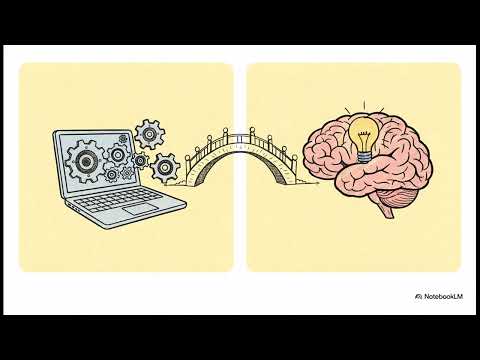
- Instructional design acts as a bridge connecting technology and pedagogy, ensuring knowledge transfer occurs effectively and clearly.
- It is defined as a systematic process involving planning, developing, implementing, and evaluating educational experiences to ensure each element serves a clear purpose.
Key Components of Effective Instructional Design
- Successful instructional design integrates technical aspects (programming and interface design) with pedagogical dimensions (objectives and strategies).
- Five foundational pillars support good instructional design: objectives, content organization from easy to difficult, teaching strategies (activities), resource selection (videos/simulations), and evaluation methods.
Implementation Strategies
- Content must be logically organized in progression; diverse formats should be used beyond just text—incorporating videos and practical examples enhances engagement.
- Active participation from learners is essential; they should not be passive observers but engaged participants in their learning journey.
Models of Instructional Design
- Professionals utilize established models like ADDIE (Analysis, Design, Development, Implementation, Evaluation), which provides a structured approach suitable for various projects.
- Other models include SAM (agile prototyping), backward design (starting from desired outcomes), and Gagne's model focusing on psychological conditions for effective learning.
Focus on ADDIE Model
- ADDIE is highlighted as the industry standard for e-learning; it consists of five phases that guide instructional designers through creating effective educational programs.
- An example illustrates how ADDIE can be applied in cybersecurity training—from identifying issues during analysis to evaluating effectiveness post-course implementation.
Continuous Improvement Through Evaluation
- Evaluation occurs throughout all phases of the ADDIE model rather than just at the end; this allows for timely adjustments based on feedback before full-scale production begins.
Relevance in Modern Education Technologies
- The principles of instructional design are increasingly vital when integrating cutting-edge technologies like AI or VR into education—ensuring these tools serve clear educational purposes rather than mere entertainment.
Conclusion: Transformative Power of Instructional Design
- The essence of instructional design lies in transforming technology from mere information storage into powerful learning tools by embedding pedagogical intent within software development.
- Without systematic instructional design processes behind educational technologies, they risk becoming empty promises instead of transformative forces in education.
Turn any video into a summary like this
YouTube links, meetings, lectures. With transcripts, search, and chat.