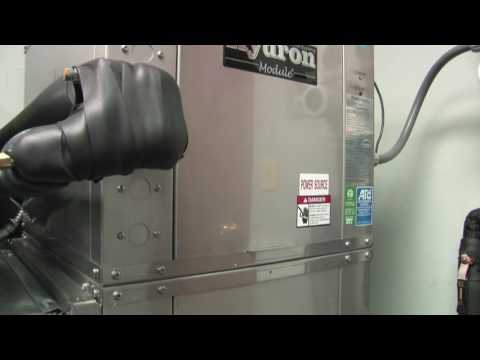
Understanding Geothermal Heating and Cooling with Hydron Module
Geothermal Systems: An Overview
How Geothermal Systems Work
- Geothermal systems differ from conventional heating and cooling systems as they do not create heat but rather collect and redistribute it.
- The Earth absorbs nearly half of the sun's solar energy, maintaining a constant temperature of 45 to 70°F at a depth of 6 feet.
Components of Geothermal Systems
- The geothermal system utilizes buried high-density polyethylene pipes known as the earth loop system, which are heat fused for durability. All joints are created without glue, enhancing strength.
- Earth loop configurations can vary: vertical loops (150-300 ft deep), horizontal loops (150-300 ft long), pond loops, and open loops depending on available space.
Installation Considerations
- Vertical bore holes require one bore hole per ton of equipment capacity; horizontal systems typically need one trench per ton. For water bodies, the area must be at least 1 acre with a depth of 10 to 12 ft for effective installation.
- Open loop installations pump water from an aquifer through the geothermal unit and discharge it into drainage areas or ponds, with local specialists helping determine suitable configurations for homes.
System Functionality
- Geothermal systems consist of four main components: earth loop, geothermal unit (including air coil, compressor), distribution system (ductwork or radiant floor tubing), and domestic water heating loop that captures additional heat for hot water tanks.
- These systems operate similarly to refrigerators by transferring heat either from the earth into buildings during winter or vice versa in summer months, providing efficient heating and cooling solutions at lower costs than conventional methods.
Benefits and Incentives
- The U.S. Environmental Protection Agency recognizes geothermal systems as highly energy-efficient and environmentally friendly compared to traditional heating/cooling options; installations are rapidly increasing due to comfort and cost savings benefits.
- Various incentives exist globally for installing geothermal equipment; in the U.S., homeowners can receive a federal tax credit covering 30% of installation costs for new or replacement geothermal systems. Check local dealers for specific programs available in your area.