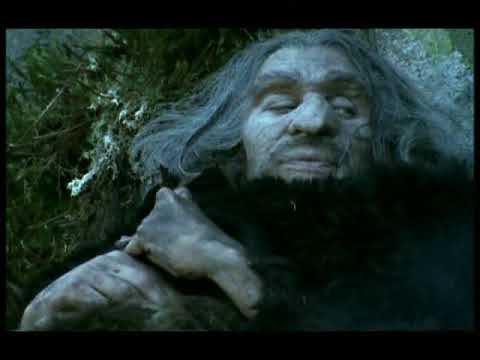
La grande storia dell'uomo - 01 - Viaggio nella preistoria (Piero Angela & Alberto Angela)
Introduction to the Journey of Humanity
Overview of the Documentary
- This work aims to present a series of portraits representing various eras in human history, allowing readers to explore daily life and societal behaviors through time.
- The documentary traces humanity's journey from prehistoric times, highlighting significant milestones that shaped modern civilization.
Key Historical Eras Covered
- The narrative begins approximately 100,000 years ago with Neanderthals and their way of life, transitioning into the rise of Homo sapiens and agricultural societies.
- It encompasses major civilizations such as Egyptian, Greek, Etruscan, and Roman cultures, leading up to modern events like World War I and the moon landing.
The Evolution of Human Societies
Transition from Prehistory to History
- The documentary emphasizes how different historical periods reflect changes in technology, clothing, and social structures while maintaining a focus on human qualities—passions and weaknesses.
- Insights into prehistory reveal how early humans adapted to their environments before organized societies emerged.
Exploration of Neanderthal Life
- Around 35,000 years ago marked a critical moment when Homo sapiens arrived in Europe, leading to questions about the disappearance of Neanderthals. This episode seeks answers regarding their coexistence and eventual extinction.
- The setting shifts to southwestern France during this era, illustrating the harsh living conditions faced by Neanderthals amidst an ice age climate.
Life in Prehistoric Europe
Environmental Challenges
- Southern France was inhospitable 35,000 years ago due to extreme cold; northern Europe experienced severe winter temperatures similar to those found today in Canada. This environment shaped survival strategies for early humans.
Survival Strategies of Neanderthals
- Neanderthal groups were well-organized clans that relied on strong social bonds for survival; they utilized animal skins for warmth against harsh climates. Their existence was characterized by resourcefulness despite difficult living conditions.
Archaeological Discoveries
Insights from Neanderthal Caves
- Caves served as shelters where remnants like bones and tools have been preserved over millennia; these findings have significantly advanced our understanding of Neanderthal life practices and social structures.
Misconceptions About Neanderthals
Neanderthal Life and Survival
The Harsh Realities of Neanderthal Existence
- The episode explores the injuries, illnesses, and violent deaths faced by Neanderthals, highlighting the dangers they encountered in their environment.
Territorial Behavior and Hunting Practices
- Neanderthals are described as a territorial species with a clan's dominion covering approximately 70 square kilometers, which is essential for hunting.
- The eldest brother leads the hunting operation due to his strength and experience; they target deer that have lost their antlers, making them more nutritious but harder to capture.
Population Distribution and Habitat
- The habitable areas for Neanderthals were limited to Europe and Western Asia, with an estimated population of no more than 100,000 individuals at any time.
- Southwestern France was notably densely populated with around 3,000 Neanderthals due to its rich resources.
Fire: A Tool for Survival
- Although not the first to use fire, Neanderthals' ability to manage it was crucial for survival against harsh climates and predators like leopards and wolves.
- Fire provided warmth during freezing nights and served as protection from other predators in their environment.
Hunting Techniques and Physical Adaptations
- Neanderthal spears were designed for close-range kills; they lacked throwing weapons like javelins or bows.
- Their hunting strategy involved direct contact with prey, often pushing animals off cliffs or surrounding them closely before attacking.
Physical Characteristics of Neanderthals
- The structure of a Neanderthal's body was robustly built for endurance in harsh conditions; they were muscular yet stocky compared to modern humans.
- Their short stature (approximately 1.65 meters tall), thick bones, and curved limbs helped minimize heat loss in cold climates similar to adaptations seen in Eskimos today.
Evolutionary Adaptations
- Unique facial features such as large nasal openings evolved to warm cold air before it reached delicate internal tissues—an effective adaptation despite appearing unusual by modern standards.
Neanderthal Life and Evolution
Insights into Neanderthal Culture and Diet
- The walls of caves, such as the one in Bernie Falsi, show no portraits of prehistoric men but feature rare depictions of human faces alongside numerous animal images.
- A faded representation of a modern man (not a Neanderthal) suggests that by 13,000 years ago, Neanderthals had already disappeared; the clan welcomes their prey with an elder waiting for his turn to eat.
- Adult Neanderthals required up to 4,000 calories daily, increasing to 7,000 in winter; this high caloric need influenced their hunting strategies and social dynamics within small groups.
- The consumption of raw meat was facilitated by unique enzymes in the Neanderthal stomach; however, cooked meat proved more digestible and safer due to heat killing harmful bacteria.
- Hunting techniques were primitive yet effective; evidence suggests that Neanderthals sometimes targeted women from other groups for reproductive opportunities.
Social Structure and Territoriality
- Evidence indicates that Neanderthals lived in small groups (8 to 25 individuals), which helped manage environmental resource pressures but posed challenges for species survival without inter-group interactions.
- Kidnapping women from other clans was a common practice among Neanderthals to enhance reproductive success; territorial behavior likely shaped their social organization around male kinship ties.
- Females may have moved between clans throughout their lives rather than remaining with their birth group, indicating complex social structures involving both voluntary exchanges and potential violence.
Communication and Language Development
- Upon returning from hunts, tensions arose within clans as new members could threaten established hierarchies; this dynamic highlights the complexities of social interactions among Neanderthals.
- Contrary to earlier beliefs about their communication abilities being limited to gestures or primitive calls, recent findings suggest that Neanderthals possessed a form of articulate language based on anatomical evidence from hyoid bones found in Israel.
- The similarity between the hyoid bone structure of modern humans and Neanderthals supports the idea that they could produce complex sounds necessary for speech.
Origins and Evolutionary Background
- The evolution of Homo sapiens traces back millions of years to Africa; early hominids like Ardipithecus ramidus represent our ancient origins dating back approximately 4.5 million years.
The Arrival of Early Humans in Europe
The First Settlements and Human Evolution
- The first human species to arrive in Europe were likely Homo erectus, originating from Africa. Evidence suggests that the earliest Italian settlement is at Ca' Belvedere di Monte Poggiolo, dating back over a million years.
- These early humans were capable of more than mere survival; they could hunt, gather, and pass down knowledge across generations. Their positive relationship with their environment was crucial for their existence.
- A significant discovery made during construction near Rome provided indirect evidence of human presence in Europe around one million years ago. However, the oldest human fossils date back to about 800,000 years ago.
- The oldest adult human skull found in Europe is crucial for understanding evolution. Comparisons between Neanderthal fossils from Rome and modern Homo sapiens from North Africa highlight divergent evolutionary paths.
Neanderthal Society and Hierarchy
- Within Neanderthal groups, there existed a clear hierarchy: dominant male hunters at the top and vulnerable individuals like the elderly and children at the bottom.
- Vulnerable members such as old men and children often faced high mortality rates due to harsh living conditions. Children under 11 make up a significant portion of fossil finds.
- A five-year-old child had a brain size comparable to modern adults but faced immense challenges growing up quickly in a perilous environment where survival was paramount.
Life Expectancy and Group Dynamics
- The life expectancy of Neanderthals was low; many did not reach 40 years due to injuries and environmental hardships. Elderly members had limited concessions but contributed through experience rather than physical strength.
- A notable discovery from Shanidar Cave in Iraq revealed an elderly man who survived severe injuries thanks to group solidarity, indicating care within Neanderthal communities despite harsh realities.
Challenges Faced by Neanderthals
- This elderly individual suffered multiple fractures and arthritis but lived into his forties due to support from his clan. His contributions were limited yet vital for community cohesion.
- Young females began hunting at an early age, showcasing their skills amidst dangers posed by wild animals and environmental threats that characterized the Neanderthal world.
The Encounter of Neanderthals and Homo Sapiens
The Arrival of a New Species
- The Neanderthal species, once dominant in Europe, faces challenges as a new species arrives, threatening their control over the environment.
- This new hunter is described as taller and more slender than Neanderthals, with distinct facial features indicating deeper intelligence and different cultural practices.
- These newcomers are identified as Homo sapiens (modern humans), who have developed advanced social structures and ways of thinking compared to the Neanderthals.
Migration and Adaptation
- Over 1.5 million years ago, Homo erectus migrated from Africa to Asia and later to Europe, evolving separately due to natural barriers like deserts and mountains.
- In Africa, Homo sapiens emerged around 100,000 years ago; they spread into the Middle East before migrating into Europe approximately 45,000 years ago.
- Cro-Magnons arrived in central Europe within 10,000 years after climate changes made the region more hospitable for settlement.
Social Structures of Neanderthals
- A small group of Cro-Magnons acts as an advance patrol seeking fertile territories in southern France that are also inhabited by Neanderthals.
- Grooming behaviors among Neanderthals serve as essential communication tools that foster loyalty and trust within their clans.
The Collision of Two Worlds
- The encounter between modern humans (Homo sapiens) and Neanderthals marks a significant turning point in prehistory; it symbolizes the collision of two distinct worlds.
- Ironically, strengths that supported the Neanderthal survival become weaknesses against changing circumstances; their small clan size makes them vulnerable.
Initial Reactions to Encounters
- Poor linguistic skills hinder the ability of Neanderthals to form alliances with other groups amidst emerging threats from modern humans.
- A young Neanderthal's experience does not prepare him for encountering Cro-Magnon people who think and act differently from his own kind.
Discoveries About Cro-Magnon Man
- In the 19th century, workers discovered a Cro-Magnon skeleton near a shelter known locally as "Cro Magnon," which provided insights into early human anatomy.
- Differences between Cro-Magnon skull structure and that of Neanderthals highlight evolutionary adaptations: wider foreheads and thinner noses characterize modern humans.
Cognitive Advantages
Neanderthal Life and Survival Strategies
The Context of Neanderthal Existence
- The construction of jewelry reflects deeper cultural meanings, contrasting with the Cro-Magnons' more advanced technology compared to the archaic methods of Neanderthals.
- The arrival of Cro-Magnons exacerbates food scarcity, making hunting a perilous task for pregnant women in the clan who must settle for less ideal meat sources.
Hunting and Food Sources
- Neanderthals were opportunistic predators; they utilized carcasses from larger prey like mammoths when available, showcasing their adaptability in harsh climates.
- Men rested inside caves while women faced labor pains outside, highlighting gender roles and the challenges of childbirth during winter months.
Childbirth and Infant Care
- Neanderthal infants were larger than modern humans', necessitating wider pelvic structures for childbirth, which posed significant risks during delivery.
- A newborn's survival was precarious; breastfeeding required additional caloric intake that strained clan resources as food became scarcer.
Mortality Rates Among Neanderthal Children
- Evidence suggests high infant mortality rates among Neanderthals; about half did not survive to adolescence due to factors like malnutrition.
- Fossil findings indicate that many child skeletons show signs of enamel defects on teeth, pointing towards hunger as a frequent cause of death.
Cultural Practices and Tool Making
- Burial practices for deceased infants suggest mourning rituals existed within clans, though infanticide may have been practiced as a form of population control under dire circumstances.
- Tools passed down through generations showed little innovation over 250,000 years due to limited interaction between different clans, reflecting isolationist tendencies.
Technological Insights
- The dominant female strengthens her spear using resin and animal tendons; this technique has been around for approximately half a million years but shows minimal evolution in tool design.
Neanderthal Tools and Their Evolution
The Mousterian Tool Technology
- Neanderthals utilized tools with significant hand strength, capable of crushing bones. Their technology, known as Mousterian, consisted of six main tool types.
- These tools were multipurpose, akin to prehistoric Swiss Army knives, designed for various tasks such as sawing wood, breaking bones, and scraping meat from bones or furs.
- Triangular tools served as knives or spear tips; some were exceptionally sharp—up to five times sharper than modern blades.
Transition in Tool Making Techniques
- A notable shift occurred around 35,000 years ago when Neanderthal tool-making techniques evolved significantly.
- They began incorporating materials like deer antlers and bones into their tools and created decorative objects like jewelry. This change is seen by some scholars as a cognitive revolution among Neanderthals.
Interaction with Cro-Magnon Humans
- The arrival of Cro-Magnons likely influenced Neanderthals' tool-making practices; they may have copied techniques without fully understanding their significance.
- Crafting these tools required precision and knowledge about stone properties; even minor flaws could lead to failure in the process.
Evolutionary Advances in Tool Design
- Over time, hominids developed sharper edges from the same stone types. An example shows an increase in useful margins over thousands of years.
- The objective shifted from merely shaping stones to producing specific useful chips through careful preparation.
Competition and Coexistence with Cro-Magnons
- As competition increased between Neanderthals and Cro-Magnons for resources, survival strategies became more complex.
- Evidence suggests that both species coexisted peacefully at times but also faced conflicts over territory and resources.
Insights from Fossil Analysis
- Archaeological findings reveal instances of violence among early humans; fossil analysis can uncover details similar to forensic investigations today.
Neanderthal Burials and the Rise of Cro-Magnon
Neanderthal Death and Burial Practices
- The death of a dominant male Neanderthal raises questions about the clan's emotional response, suggesting a sense of humanity in their burial practices near the Pesa Borgogna River.
- Evidence indicates that while prehistoric humans often abandoned their dead, Neanderthals were among the first to bury their companions, hinting at complex social behaviors.
- A notable Neanderthal burial found in Israel featured a body placed in a shallow grave with arms positioned traditionally; however, its skull was missing, leading to debates about ancient rituals.
- Controversial hypotheses suggest that animal bones and pollen found around burials could indicate ritualistic practices or simply debris from cave floors.
- The act of burying their dead may have been deeply human for Neanderthals, reflecting emotions similar to modern humans and possibly serving as protection against scavengers.
Transition to Cro-Magnon Dominance
- Following the death of a leader, younger males faced critical decisions regarding clan survival amidst threats from Cro-Magnons.
- Cro-Magnons occupied abandoned Neanderthal caves as temporary shelters while waiting for their groups to arrive, marking a significant shift in habitation patterns.
- Fossil evidence shows that Cro-Magnons took over many sites previously inhabited by Neanderthals across Europe, indicating an expansion of modern humans at the expense of Neanderthals.
Archaeological Insights from Fumane Cave
- Research at Fumane Cave in Italy has revealed layers spanning 80,000 years that document the transition from Neanderthal to Cro-Magnon habitation.
- A sterile layer dating back approximately 34,000 years separates Neanderthal remains from those associated with early modern humans' tools and artifacts.
- Differences in living arrangements between species are evident; while Neanderthals had disorganized spaces, Cro-Magnons exhibited more structured living environments with designated areas for various activities.
Tools and Cultural Developments
- Unique tools discovered among Cro-Magnon remains include marine shell necklaces and specialized hunting implements not found with Neanderthals.
- Adaptations such as harpoons for fishing and sewing needles highlight how Cro-Magnons thrived in colder climates through advanced tool-making techniques.
Artistic Expression: The Oldest Paintings
The Rise and Fall of Neanderthals
The Enigmatic Representation in Prehistoric Art
- Researchers predict that a Roman figure depicted with a headdress made of deer horns may represent a sorcerer or shaman, highlighting the significance of such representations in prehistoric art.
- These artistic fragments are considered invaluable as they mark the starting point of a long history of painting leading to renowned masterpieces.
The Impact of Cro-Magnons on Neanderthals
- The arrival of Cro-Magnons introduced social structures and cultural practices that significantly impacted the environment, outpacing Neanderthal adaptations.
- At their peak around 50,000 years ago, an estimated 100,000 Neanderthals lived in Europe; however, modern humans began to spread uncontrollably from Africa and the Middle East.
Competition for Resources
- Cro-Magnon groups monopolized resources, pushing Neanderthals into inhospitable regions like Croatia and Crimea by 35,000 years ago. Their population dwindled to just a few thousand individuals.
- As they retreated westward towards less familiar territories, Neanderthals became increasingly vulnerable due to limited resources and harsh conditions.
Struggles for Survival
- A young woman among the last group struggles with survival due to sparse vegetation and water scarcity at high altitudes; this environment is challenging even for robust Neanderthal bodies.
- Isolated from other clans and hunting grounds, their ability to reproduce diminished as social bonds weakened under pressure from competition with Cro-Magnons.
The Fate of the Neanderthal Species
- Ultimately, it was not genocide or disaster but rather competition that led to the extinction of Neanderthals; they simply could not keep pace with more adaptable Homo sapiens strategies for survival.
- Some scholars suggest that minor changes in birth or mortality rates could have altered their fate significantly; however, evolutionary outcomes were complex and unpredictable.
Interbreeding Between Species?
- Despite being distinct species physically and culturally, there is debate over whether interbreeding occurred between Neanderthals and Cro-Magnons; some believe traces exist in modern human DNA while others argue against it based on genetic studies.
- Recent analyses indicate profound differences between DNA fragments from both species suggesting no direct lineage exists despite potential mating events occurring when both inhabited overlapping regions.
Conclusion: Legacy of the Last Neanderthals