Análisis del comportamiento organizacional en mi empresa
Introduction and Importance of Organizational Behavior
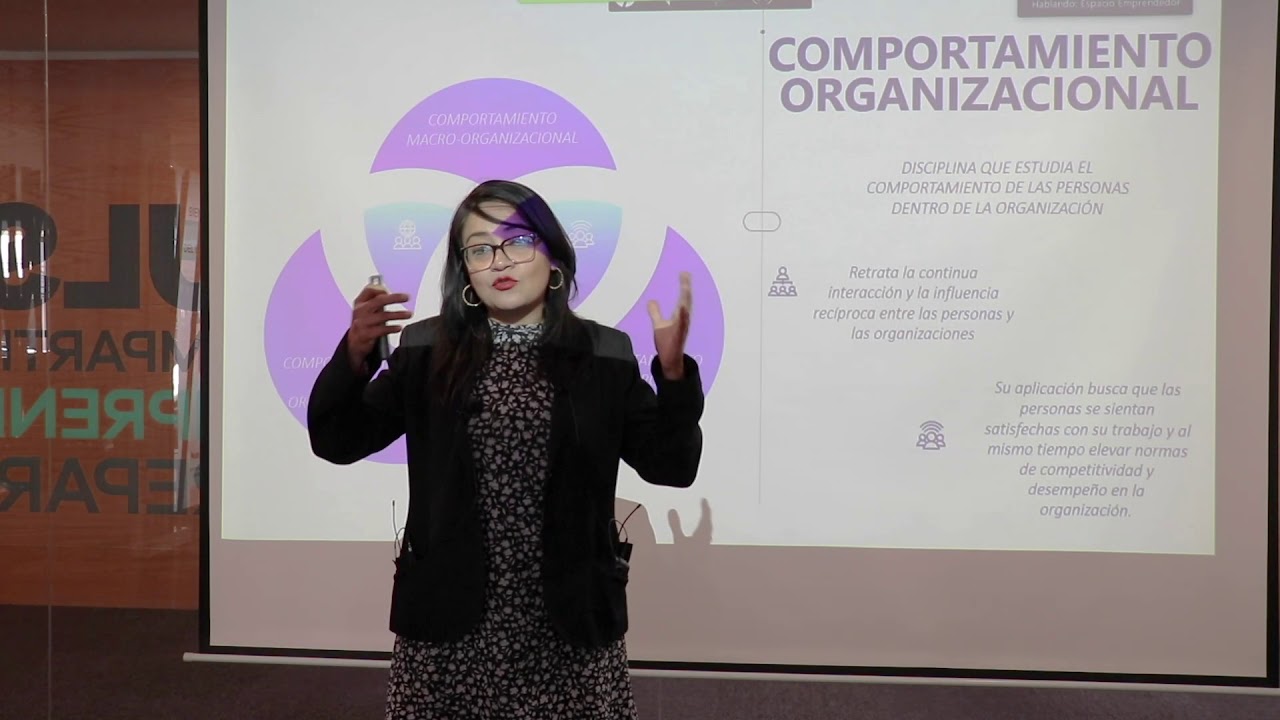
In this section, Mayra Cortes introduces the importance of understanding organizational behavior for business development.
Understanding Organizational Behavior
- Mayra Cortes, a psychologist and business administration expert, emphasizes the significance of organizational behavior for company growth.
- Discusses analyzing organizational behavior to develop effective organizational development plans.
- Encourages questioning about company performance, economic value, and growth to identify areas for improvement.
- Highlights the importance of measuring company performance and understanding what is happening within the organization.
- Points out that failure to achieve objectives or lack of economic growth may result from working on the wrong aspects without proper analysis.
Impact of Human Resources on Organizational Performance
This part delves into how human resource indicators directly influence organizational outcomes.
Human Resource Indicators Impact
- Emphasizes that human resource indicators such as employee performance, commitment, satisfaction, and organizational citizenship significantly impact productivity, quality, innovation, and customer satisfaction.
- States that these human resource indicators directly affect overall organizational performance metrics like productivity and profitability.
Understanding Organizational Behavior for Improved Results
Exploring how studying organizational behavior can enhance business outcomes through understanding employee behaviors.
Studying Organizational Behavior
- Stresses the importance of studying organizational behavior to comprehend why employees behave in certain ways within an organization.
- Highlights the need to understand employee behaviors despite training efforts or motivational strategies not yielding desired results.
New Section
In this section, the speaker discusses the initial steps required to analyze an organization at a macro level to understand its overall organizational behavior and structure.
Analyzing Macro Organizational Behavior
- The macro organizational behavior analysis involves examining the organizational structure and design, including the organizational chart, management style (traditional or modern), communication channels within the company, leadership style (authoritarian or participative), decision-making processes, stress management, compliance with psychosocial risk regulations, conflict resolution strategies, power dynamics, and overall organizational policies.
- Understanding these aspects provides a comprehensive view of the organization's functioning and management style. It helps in assessing whether the organization follows traditional or modern approaches in various operational aspects.
- By studying communication patterns, leadership styles, conflict resolution methods, and organizational policies at a macro level, one can gain insights into the overall functioning of the organization.
New Section
This part delves into how standardized tests and direct observations are utilized to assess an organization's communication practices, leadership styles, conflict management strategies, and overall organizational structure.
Assessing Organizational Behavior
- Standardized tests and direct observations are employed to evaluate various aspects such as communication effectiveness, leadership approaches, conflict resolution techniques within specific teams or departments of an organization.
- Identifying potential issues within individual teams allows for targeted interventions to improve team dynamics and performance. Even if the organization excels at a macro level in certain areas like communication promotion but faces challenges at a micro-level within specific teams.
- The intermediate level analysis focuses on researching team behaviors concerning decision-making processes and group dynamics. Strategies aim to enhance cooperation among team members through socialization methods that boost productivity by leveraging individual skills effectively.
New Section
This segment explores how studying individual behaviors within an organization aids in understanding personal motivations affecting teamwork efficiency and productivity levels.
Studying Individual Behavior
- Examining individual behaviors helps identify unique characteristics influencing job satisfaction levels. Understanding personality traits like motivation levels can shed light on why some individuals may not align with team objectives despite possessing necessary skills.
Understanding Individual Behavior in the Workplace
In this section, the speaker discusses the importance of understanding how individuals perceive their workplace and how addressing individual needs can positively impact organizational performance.
Importance of Addressing Individual Needs
- Addressing personal issues like family problems or scheduling conflicts can improve employee satisfaction and performance.
- Making small adjustments, such as negotiating flexible work hours, can significantly resolve individual challenges and enhance productivity.
Predictive Value of Individual Behavior Analysis
- Analyzing individual behaviors helps predict future actions, understand team dynamics, and motivate employees to perform tasks effectively.
- Understanding individual behavior aids in evaluating organizational strategies for alignment with company goals and ensuring appropriate employee conduct.
Significance of Organizational Development
This part emphasizes the role of organizational development in planning strategic changes to enhance organizational effectiveness.
Planned Efforts for Organizational Improvement
- Organizational development involves a structured approach to understanding and addressing macro, group-level, and individual-level issues within an organization.
- Evaluation of organizational behavior is crucial before implementing developmental plans managed from top leadership levels to ensure successful change initiatives.
Impact on Organizational Processes
- Insights from behavioral analysis inform well-planned strategies that boost operational efficiency, effectiveness, and overall organizational health.
Organizational Behavior and Development
In this section, the speaker discusses the importance of organizational behavior and development in helping organizations thrive in a rapidly changing world.
Understanding Organizational Diagnosis
- Organizational behavior encompasses all levels of behavior within an organization, guiding employees on how to work effectively.
- Employees' ability to diagnose problems and contribute to solutions is crucial for organizational survival in a fast-changing environment.
Implementing Change for Growth
- Organizations must constantly evolve and adapt to avoid becoming obsolete like many companies that failed to embrace technological advancements.
- Developmental organizational strategies facilitate well-founded changes, leading to desired outcomes and effective organizational performance.
Importance of Organizational Development
- Through organizational development, changes can be implemented strategically to achieve set objectives and foster continuous growth.
- Studying organizational behavior aids in designing effective developmental plans that drive economic value, constant renewal, planned growth, and successful outcomes.
Involving All Levels for Impact
- Engaging all members at various organizational levels—from administration to individual contributors—in the developmental process ensures comprehensive impact across the organization.
- Leaders play a pivotal role in driving organizational development initiatives by involving team members and steering them towards growth and goal achievement.
Planning for Success
- Understanding organizational behavior enables leaders to create well-informed developmental plans that lead to measured actions, strategies, and desired results.