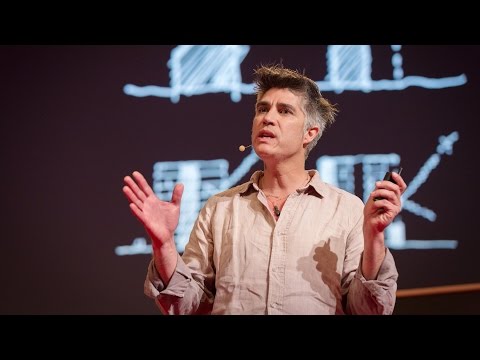
Alejandro Aravena: My architectural philosophy? Bring the community into the process
Design's Power of Synthesis
In this section, the speaker discusses the power of design in synthesizing complex problems into simple solutions by sharing three cases where design's power of synthesis was applied.
Global Challenge of Urbanization
- The speaker highlights the "3S" menace - scale, speed, and scarcity - in responding to urbanization challenges.
- Describes the need to accommodate families in Iquique within a limited budget through participatory design and innovative solutions.
- Emphasizes involving families in the design process to address constraints effectively.
- Explains how rephrasing the problem led to innovative housing solutions for low-income families.
- Discusses the importance of innovation and collaboration with families to achieve successful housing projects.
Contribution of Design to Sustainability
- Illustrates how design can empower communities to build sustainable housing solutions.
- Details a project in Iquique that transformed social housing into middle-class units through collaborative efforts.
- Emphasizes providing a framework for families to take over and shape their living spaces effectively.
- Advocates for utilizing people's building capacity as a solution to urban challenges.
- Explores how design can enhance sustainability by creating conducive environments for knowledge creation.
Redefining Office Building Design
- Critiques traditional office building designs and proposes an alternative approach focused on creating optimal working environments.
- Introduces an inverted building scheme with open atriums for improved light control and cross ventilation.
- Highlights the benefits of perimeter walls in preventing direct sun radiation and enhancing internal visibility within buildings.
Designing for Sustainability and Resilience
The speaker discusses how design can address sustainability challenges and provide comprehensive solutions to natural disasters, using the example of Chile's response to an earthquake and tsunami in 2010.
Design for Sustainability
- Sustainable design can cool a glass tower efficiently, emphasizing the importance of common sense in sustainable practices.
Addressing Natural Disasters: Chile's Case
- After the 2010 earthquake and tsunami in Chile, a rapid reconstruction project was initiated in Constitución.
- Design considerations included public buildings, public spaces, transportation, housing, and city protection against future tsunamis within a tight deadline.
Community Engagement in Design
- Traditional approaches like land expropriation or building heavy infrastructure were deemed unrealistic or irresponsible.
- A participatory design process engaged the community to find effective solutions.
- The process involved understanding the right questions rather than just providing answers.
Innovative Urban Design Solutions
The speaker elaborates on innovative urban design solutions developed through participatory processes to address both immediate challenges and long-term urban planning needs.
Participatory Design Process
- Engaging with the community revealed ongoing issues beyond natural disasters such as annual flooding due to rain.
- The focus shifted towards improving public spaces and connecting with the city's identity.
Geographical Responses to Threats
- Proposing a forest between the city and sea as a solution that dissipates energy rather than resisting it.
- This approach aimed at preventing flooding, enhancing public space quality, and providing democratic river access.
Efficiency Through Coordination
The speaker highlights how efficient coordination among different projects led to cost savings in implementing innovative urban design solutions.
Cost-Efficient Implementation
- By consolidating three separate projects into one coordinated effort, significant cost savings were achieved.
- This exemplifies how efficient coordination is crucial for optimizing resources in urban development projects.
Turn any video into a summary like this
YouTube links, meetings, lectures. With transcripts, search, and chat.