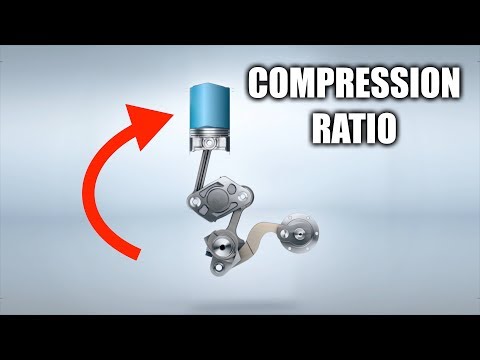
Compression Ratio - Explained
What is Compression Ratio and Why is it Important?
Understanding Compression Ratio
- The compression ratio is defined as the ratio of the volumes in a cylinder at two different points: when the piston is at its lowest point (step one) and when it moves up to compress the air (step two).
- If there’s eight times more space in step one than in step two, this results in a compression ratio of 8:1.
Importance of Compression Ratio
- A higher compression ratio leads to greater thermal efficiency, which translates into better fuel economy for vehicles.
- Diesel engines can achieve much higher compression ratios compared to gasoline engines, resulting in superior fuel economy due to their design where fuel is injected after air compression.
Fuel Recommendations Based on Compression Ratios
- Vehicles with higher compression ratios often require premium fuel to prevent engine knocking. For example, a car with a 10:1 compression ratio typically needs premium fuel.
- In gasoline engines, if the compressed air-fuel mixture reaches high temperatures before ignition occurs, it can lead to knocking; hence, using higher octane fuels helps mitigate this risk.
Differences Between Gasoline and Diesel Engines